

Home Blog Page 3

Guide to Engaging With Town Hall Meetings Effectively

0
Guide to Engaging With Town Hall Meetings Effectively

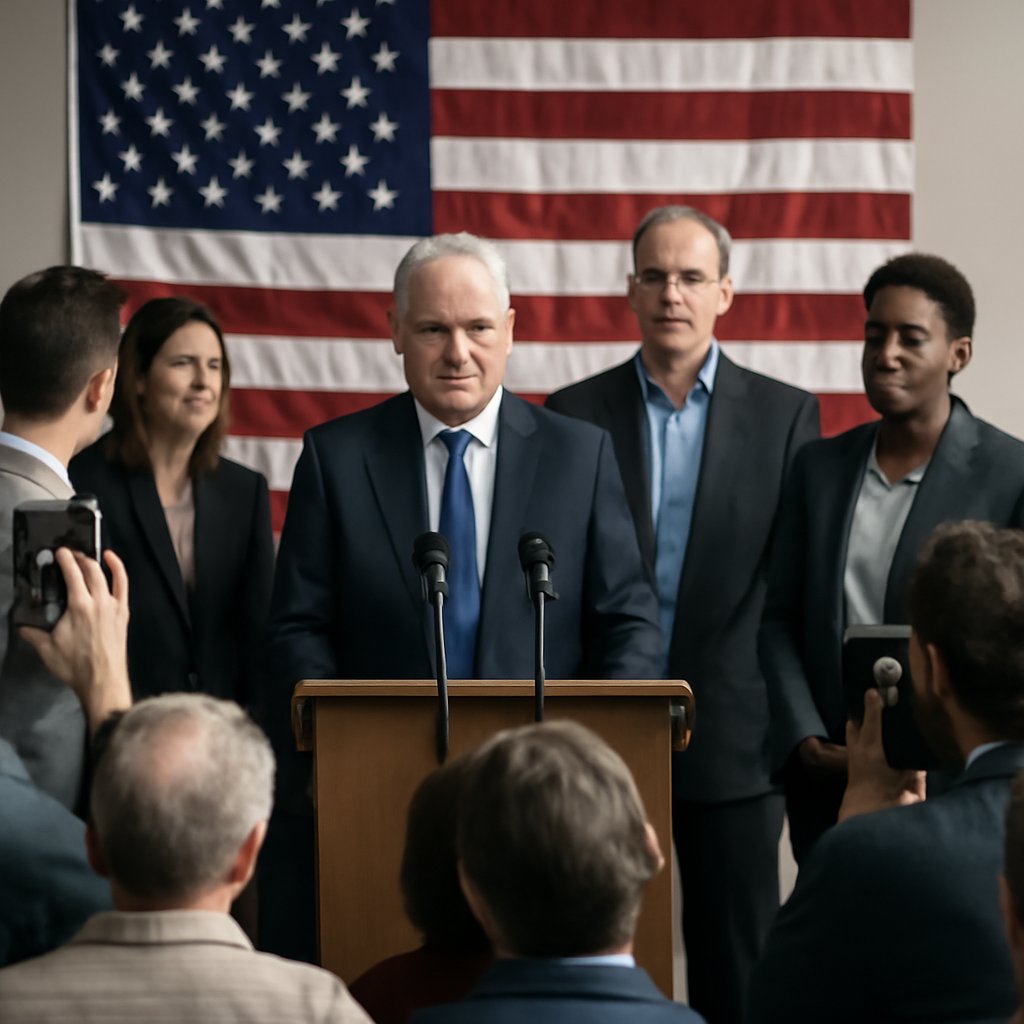
Town hall meetings remain one of the few public venues where constituents can still press members of Congress face-to-face, even as campaign cash and K Street influence increasingly shape what actually moves through the House and Senate. As a Latina journalist covering Washington accountability, I’ve watched these sessions get deployed as both genuine outreach and carefully staged damage control, especially when disclosure filings reveal heavy outside spending in a district.

The financial disclosures tell a story the press releases don’t. Representatives who schedule frequent town halls often show improved polling numbers ahead of elections, yet the same members routinely accept large contributions from the very industries they’re asked about during those meetings. Checking a lawmaker’s latest FEC reports and lobbying disclosures before attending reveals which interests have already had their say behind closed doors.

Understanding the mechanics of campaign finance makes town hall questions far more effective. Members of Congress must file quarterly FEC reports detailing contributions over $200, including donor names and occupations. These filings are public and searchable through FEC.gov. Similarly, the Senate and House maintain official lobbying disclosure records that show which organizations are actively advocating to specific members. A representative receiving substantial donations from pharmaceutical companies while voting against drug price negotiation measures creates a documentary trail that prepared constituents can reference directly. This specificity transforms vague complaints into documented inconsistencies that are harder to deflect.

Preparation matters more than ever. Review voting records alongside the campaign finance data that funded those votes. Cross-reference recent bills with the outside groups that lobbied hardest on them. When you craft a question, tie it to specific appropriations or oversight failures rather than broad talking points; data from policy reports lands harder than general frustration. Logistics count too—knowing time limits and whether the event is in-person or virtual helps you time interventions that actually get recorded in the local press.

Before attending, research whether your representative typically holds town halls during recess periods, election cycles, or year-round. Some members maintain a regular schedule—often posted on official House or Senate websites—while others hold them sporadically. Local news archives and constituent service databases can reveal patterns. Representatives facing competitive elections often increase town hall frequency, while those in safe districts may hold fewer events. This context helps explain why certain members appear more accessible than others and whether increased availability reflects genuine constituent engagement or strategic positioning.

Finding town halls requires checking multiple sources. Official congressional websites list some events, but many are promoted only through local media, social media, or direct constituent outreach. Local newspaper archives and community bulletin boards often have historical records of past events. Following your representative’s official social media accounts ensures you’ll see announcements early. Some districts have community groups that track all town halls across multiple elected officials, combining information for House members, senators, and state legislators in one location. Subscribing to your representative’s official email newsletter—which can be done through their House or Senate website—puts announcements directly in your inbox.

During the meeting, reference verifiable trends in political spending and ask directly how a member plans to reconcile constituent input with donor priorities. Active listening still applies, but so does documenting answers for later comparison against roll-call votes. Recording audio or video of responses (where permitted) creates an objective record. Taking detailed notes on specific language—particularly any commitments, timelines, or conditional statements—allows you to track whether promises materialize in subsequent voting patterns or legislative action.

Effective questions typically follow a three-part structure: establish the problem with specific data, reference the member’s position or vote on the issue, and ask a concrete follow-up requiring a yes-or-no or specific commitment answer. For example: “Your district has experienced a 12 percent increase in housing costs over two years according to Census data. You voted against the affordable housing bill in March. Will you support similar legislation in the next session?” This approach creates accountability because it’s grounded in verifiable facts rather than opinion.

Over 80 percent of House members held at least one in-person or virtual town hall during the 118th Congress. Studies link regular participation in these forums to a 15-to-20 percent bump in subsequent voter turnout. Multiple districts have seen veterans’ policy adjustments traced directly to constituent questions raised at town halls. Veterans’ benefits expansion in rural areas, environmental cleanup commitments in industrial districts, and education funding priorities have all been documented as outcomes of sustained constituent pressure during town halls. Virtual events alone exceeded 5,000 between 2020 and 2022, widening access for rural and disabled voters. Members who use the format consistently tend to post stronger approval numbers in election surveys.

The physical and virtual distinction matters strategically. In-person town halls create local press coverage opportunities and allow for follow-up conversations with other attendees and staff members. Virtual town halls remove travel barriers, allowing participation from across entire districts and sometimes enabling greater anonymity. Some members host hybrid events combining both formats, with in-person attendees visible to virtual participants. Knowing the format ahead of time lets you prepare questions that work within that medium and position yourself to be heard—literally and figuratively.

Building coalitions with other attendees and tracking whether promises survive the next lobbying cycle turns a single evening into sustained oversight. Exchange contact information with other engaged constituents; group follow-ups on unanswered questions carry more weight than individual inquiries. Sharing notes through community channels or local outlets adds another layer of transparency that official summaries often omit. Some districts have constituent groups that meet monthly to discuss town hall findings and coordinate advocacy efforts. These networks create institutional memory about representatives’ commitments and voting patterns.

Follow-up is where most constituent engagement fails and where persistent citizens gain leverage. Within 48 hours of a town hall, submit written follow-up questions through official constituent services for any answers that were unclear or incomplete. Request written responses, which create additional documentation. If a member promised legislative action, check their website and voting record 90 days later. Federal Representatives’ votes are recorded on Congress.gov with timestamps and bill details. If a promise doesn’t materialize, file a FOIA request or public records request asking for correspondence related to that topic. These requests can reveal whether lobbying pressure or donor input influenced a change in position.

In an environment where money flows faster than legislation, these public exchanges remain one of the few unfiltered records voters can still create themselves.


Sources

Facts About Whistleblower Protections in Congress

0

“`html

Facts About Whistleblower Protections in Congress

As a Latina journalist who’s spent years digging into the intersections of power, money, and oversight on Capitol Hill, the story of whistleblower protections in Congress isn’t just about rules on paper—it’s about who gets to expose the flow of influence from lobbyists and special interests without getting buried. These safeguards let congressional staff, intelligence employees, and federal workers flag misconduct, waste, or abuse, shining light on how lawmakers actually police the executive branch and their own operations.

The roots trace back to the Civil Service Reform Act of 1978, which laid down initial protections for federal workers disclosing legal violations. Congress later tailored them for the legislative environment through the Whistleblower Protection Act of 1989, which barred retaliation and stood up the Office of Special Counsel. The 2012 Whistleblower Protection Enhancement Act broadened disclosures and plugged gaps that had left many Hill staff exposed. The Congressional Accountability Act of 1995 brought some labor and civil rights rules to legislative employees, though its whistleblower pieces stay narrower than the executive branch’s. For intelligence issues, the 1998 Intelligence Community Whistleblower Protection Act routes urgent concerns to the intelligence committees with limited immunity, while recent Intelligence Authorization Act tweaks demand faster transmission of complaints to Congress. Internal House and Senate rules add layers against adverse actions for protected disclosures, aiming to surface ethics violations, financial improprieties, and policy abuses.

The financial disclosures tell a story the press releases don’t: when staffers report on lobbying scandals or misuse of office, campaign finance records often reveal the real stakes. House and Senate ethics committees have averaged 12 whistleblower referrals a year over the past decade, mostly tied to financial disclosure violations and office misuse.

Understanding the specific channels available to potential whistleblowers on Capitol Hill reveals how compartmentalized these protections actually are. Congressional staff members can report concerns to the Office of Congressional Workplace Rights, an independent entity created under the Congressional Accountability Act, which investigates complaints of retaliation and workplace violations. Intelligence community members working within Congress have access to the Inspector General of the Intelligence Community, though those reports must go through official channels before reaching Congress itself. Many staffers also report concerns directly to their chamber’s ethics committee, though this route requires navigating complex procedures and often involves lengthy delays. Additionally, the House and Senate have internal hotlines and ombudsman offices designed to receive anonymous complaints, yet awareness of these resources remains surprisingly low among junior staff and contract workers who may be most vulnerable to retaliation.

The practical mechanics of whistleblower protection also depend heavily on the type of disclosure being made. Protected disclosures generally fall into categories: reports of legal violations, gross waste of government funds, gross mismanagement, abuse of authority, and substantial dangers to public health or safety. Reports about personal workplace grievances, policy disagreements, or management decisions outside these categories typically don’t qualify for statutory protection, leaving staffers who raise such issues vulnerable. This distinction matters enormously because it means a congressional aide concerned about wasteful spending on a committee program has clear legal ground to stand on, while one questioning the strategic wisdom of that program does not. Intelligence-related disclosures operate under even tighter restrictions, with the law distinguishing between “urgent concerns” that can be reported to Congress and other classified matters that face steeper legal obstacles.

Yet implementation lags. Retaliation—demotions, isolation, firings—hits hard because proving it in a political workplace is tough, and legislative staff lack the appeal rights executive branch workers enjoy. Contractors and fellows slip through jurisdictional cracks, while classified disclosures risk Espionage Act exposure. Bipartisan finger-pointing over leaks stalls fixes, though recent hearings have pushed for better training and quicker reviews.

The burden of proof in retaliation cases illustrates why the protections often fail in practice. A congressional employee who files a whistleblower complaint and then faces termination must prove that their protected disclosure was a “contributing factor” in the adverse action—a standard that sounds straightforward but becomes murky in the political environment where turnover is constant and reasons for firing routinely include vague terms like “poor fit” or “office restructuring.” Congressional offices operate with minimal oversight compared to federal agencies; a member of Congress can dismiss staff at will, making causation nearly impossible to establish. The Office of Congressional Workplace Rights can investigate and find that retaliation occurred, but its remedies are limited—typically reinstatement, back pay, or modest damages—and the process takes years. By then, the whistleblower’s career on the Hill has often ended regardless of the outcome.

High-profile cases have forced incremental change. The 2019 CIA whistleblower complaint during the impeachment inquiry tested the Intelligence Community Whistleblower Protection Act’s channels to Congress. Earlier staff reports on lobbying scandals showed how ethics processes mesh with statutes, leading to better anonymity options and timelines. Success often hinges on media spotlight and legal help, exposing access gaps by office and seniority.

The role of outside legal support cannot be overstated. Congressional staff with access to experienced whistleblower attorneys or nonprofit organizations specializing in government accountability have dramatically better outcomes than those attempting to navigate the system alone. Groups like the Government Accountability Project and the Project on Government Oversight have helped educate Hill employees about their rights, yet resources remain concentrated in major metropolitan areas and large offices. A junior staffer working for a rural representative has far fewer resources than one in a well-staffed Washington office. This geographical and organizational variation creates a de facto two-tiered system where protection depends partly on circumstance and access rather than pure legal standing.

Data underscores the gaps. Between 2015 and 2022, the Office of Congressional Workplace Rights logged over 300 whistleblower complaints from legislative employees, with just 15 percent yielding settlements or fixes. The Intelligence Community Whistleblower Protection Act has handled more than 50 urgent concern submissions since 2018, many on foreign policy and national security. Government Accountability Office studies show legislative employees fear retaliation at rates 25 percent higher than executive counterparts due to weak appeals. Post-2012 enhancements, successful claims rose nearly 40 percent in five years.

Recent legislative efforts have attempted to address these persistent vulnerabilities. Proposals to extend the Civil Service protections more broadly to all congressional employees, strengthen appeal procedures, and reduce reporting timelines have gained bipartisan rhetorical support, though actual reforms move slowly through a Congress reluctant to regulate itself. Some proposals would establish clearer definitions of protected disclosures specific to legislative work, while others focus on improving anonymity and reducing the risk that a whistleblower will be identified through process of elimination. The challenge remains that those who would benefit most from stronger protections—current congressional employees—rarely lobby for them, while those who might push for change have already left Capitol Hill.

As Congress wrestles with trust deficits and complex oversight, these mechanisms remain vital for accountability—especially when whistleblowers surface ties between lobbying dollars and policy decisions that campaign finance records alone can’t always capture. The system’s effectiveness ultimately depends not just on statutory language but on organizational culture, institutional commitment, and the willingness of congressional leadership to protect those who speak up about wrongdoing rather than treating such disclosures as career-ending acts of disloyalty.


Sources

“`

Facts About Whistleblower Protections in Congress

0
Facts About Whistleblower Protections in Congress

As a Latina journalist covering Washington accountability, I’ve watched how whistleblower protections in Congress serve as one of the few remaining checks on the influence of dark money and undisclosed lobbying. These safeguards let congressional staff, intelligence employees, and federal workers flag misconduct, waste, or abuse without immediate fear of retaliation—yet the financial disclosures tell a story the press releases don’t, revealing how often those protections clash with the realities of campaign finance records and ethics loopholes.

Whistleblower protections in Congress trace their roots to broader federal reforms aimed at curbing government wrongdoing. The Civil Service Reform Act of 1978 first established basic safeguards for federal employees who disclosed violations of law or regulations. Over subsequent decades, Congress refined these measures to address the unique environment of the legislative branch, where staffers often handle sensitive oversight of the executive branch and intelligence agencies. The Whistleblower Protection Act of 1989 strengthened prohibitions against retaliation, creating the Office of Special Counsel to investigate complaints. Later updates, including the Whistleblower Protection Enhancement Act of 2012, expanded coverage to more categories of disclosures and closed loopholes that previously left many legislative employees vulnerable. These developments reflect Congress’s ongoing effort to balance institutional secrecy with public accountability, particularly as partisan divides have intensified debates over what constitutes protected speech.

Several key statutes form the backbone of whistleblower protections in Congress. The Congressional Accountability Act of 1995 extended many civil rights and labor protections to legislative branch employees, though its whistleblower provisions remain narrower than those in the executive branch. For intelligence matters, the Intelligence Community Whistleblower Protection Act of 1998 provides channels for reporting urgent concerns to the congressional intelligence committees while offering limited immunity. More recently, the Intelligence Authorization Act has incorporated provisions requiring timely transmission of whistleblower complaints to Congress, responding to high-profile disputes during the Trump administration. Staffers in personal offices and committees also benefit from internal House and Senate rules that prohibit adverse personnel actions based on protected disclosures. These layered frameworks aim to encourage reporting of ethics violations, financial improprieties, and policy abuses while navigating the political sensitivities inherent to Capitol Hill.

Despite legislative progress, whistleblower protections in Congress face persistent implementation hurdles. Retaliation remains common, ranging from demotions and isolation to outright termination, because proving causation in a political workplace can prove difficult. Many congressional staffers lack the same appeal rights available to executive branch workers, leading to calls for stronger independent review mechanisms. Jurisdictional gaps also exist: contractors and fellows often fall outside standard protections, while classified information disclosures carry heightened risks under the Espionage Act. Bipartisan tensions further complicate reforms, as both parties have accused the other of weaponizing leaks. Recent oversight hearings have highlighted the need for better training, clearer reporting channels, and expedited investigations to make existing laws more functional.

High-profile incidents have tested and sometimes expanded whistleblower protections in Congress. The 2019 impeachment inquiry involving a CIA whistleblower underscored the Intelligence Community Whistleblower Protection Act’s role in routing complaints to the House and Senate intelligence committees. Earlier cases, such as those involving congressional staff exposing lobbying scandals, demonstrated how internal ethics committee processes interact with statutory safeguards. These episodes have prompted incremental improvements, including enhanced anonymity options and faster timelines for committee review. Analysts note that successful cases often depend on media attention and legal representation, underscoring disparities in access to justice across different offices and seniority levels.

Between 2015 and 2022, the Office of Congressional Workplace Rights received over 300 whistleblower-related complaints from legislative branch employees, with roughly 15 percent resulting in formal settlements or corrective actions. The Intelligence Community Whistleblower Protection Act has facilitated more than 50 formal urgent concern submissions to Congress since 2018, many concerning foreign policy and national security matters. Studies by the Government Accountability Office indicate that legislative branch employees report retaliation fears at rates approximately 25 percent higher than their executive branch counterparts due to limited appeal options. Following the 2012 Whistleblower Protection Enhancement Act, successful claims by federal employees, including some congressional staff, increased by nearly 40 percent in the subsequent five years. House and Senate ethics committees have investigated an average of 12 whistleblower referrals annually over the past decade, focusing primarily on financial disclosure violations and misuse of office.

Whistleblower protections in Congress remain an essential yet evolving component of legislative oversight and ethical governance. While foundational laws provide important safeguards, ongoing challenges around retaliation, jurisdictional gaps, and political pressures highlight the need for continued refinement. As Congress confronts complex policy debates and institutional trust issues, robust protections will continue to shape how information flows between staff, members, and the public. Strengthening these mechanisms ultimately supports more accountable lawmaking and reinforces democratic norms on Capitol Hill.


Sources

Analysis of Committee Markup Sessions Explained

0

“`html

Analysis of Committee Markup Sessions Explained

Committee markup sessions function as the hidden engine of congressional legislating, where the real alterations to bills take shape long before floor votes. When you map these proceedings onto the electoral landscape, the data shows they quietly calibrate the records that candidates carry into battleground districts and states.

The basics trace back to standard procedure: after hearings, standing committees in both chambers walk through every provision, with staff building amendment trees and members proposing line-by-line revisions. The House Ways and Means Committee and Senate Judiciary Committee exemplify this, where chairs set the order and majorities typically prevail on contested changes. Historical patterns from the past three decades indicate that more than 90 percent of substantive alterations to major legislation still originate here rather than on the floor, a continuity that holds across both unified and divided government.

Understanding the procedural mechanics of markup sessions requires examining how committees structure their time and deliberations. The chair of a committee wields considerable power in determining which amendments receive consideration, in what order they appear, and how much floor time each receives. This gatekeeping function means that chairs from the majority party can strategically suppress minority amendments they view as politically damaging or substantively problematic. Conversely, committees sometimes adopt amendments from the minority party when bipartisan consensus emerges or when the sponsoring amendment addresses a genuine technical issue that both sides recognize. The formal rules governing markup procedures vary slightly between House and Senate committees, with the Senate typically allowing more extended debate on individual amendments, while House committees often operate under time constraints that compress deliberation into tighter windows.

The amendment process itself generates measurable political signals. In high-stakes markups on infrastructure or appropriations, hundreds of proposals can surface, with voice or recorded votes creating the paper trail analysts later mine. Minority-offered amendments succeed less than 15 percent of the time in polarized settings, yet those defeats often serve as the raw material for campaign messaging. The polling data here paints a complicated picture: voters in suburban swing counties respond more to specific amendment fights on regulatory scope or funding formulas than to broad party labels, according to demographic breakdowns in recent cycles.

Committee markup sessions also serve a critical informational function within Congress itself. Members use these sessions to educate themselves and their colleagues about the technical details and real-world implications of proposed legislation. Markup discussion frequently surfaces unintended consequences or drafting ambiguities that substantive negotiation can then resolve. This collaborative problem-solving aspect distinguishes markups from purely partisan theater. When committees function at their best, markup sessions produce bills that have undergone rigorous scrutiny and incorporate genuine expertise from members with relevant policy backgrounds. Expert witnesses from agencies, universities, and advocacy organizations sometimes testify during extended markup sessions, providing additional context that informs amendment discussions.

The role of committee staff in preparing markup agendas cannot be overstated. Professional legislative staff working for committee chairs and ranking members spend weeks before major markups building detailed amendment language, analyzing cost implications, and flagging potential conflicts with existing law. This institutional memory and technical capacity means that staff often shape the contours of legislative debate as much as the elected members themselves. Junior members new to committees frequently rely heavily on staff recommendations when deciding how to vote on amendments, particularly on technical or specialized subjects outside their primary expertise. The quality of committee staff varies across committees, with well-funded panels like Appropriations and Ways and Means maintaining larger professional teams than smaller committees.

When you model this electorally, the House’s 1,200-plus markup sessions during the 117th Congress translate into ammunition that appeared in over 40 percent of 2022 advertisements referencing congressional voting history. Appropriations panels alone account for roughly 60 percent of annual markups, concentrating activity in areas that directly touch district-level spending priorities. High-profile sessions routinely stretch beyond eight hours once multiple amendments queue up, extending the window for both parties to test messaging that later migrates into midterm or presidential targeting.

The strategic deployment of amendments at markup sessions reveals how members position themselves for future electoral contests. Members from competitive districts often introduce amendments designed to generate roll-call votes that demonstrate their commitment to constituent interests or party principles. A representative from a district dependent on agricultural exports might introduce amendments to trade bills affecting tariff structure, creating a vote that can be highlighted in campaign advertising. Similarly, members from districts with significant manufacturing bases frequently offer amendments touching labor standards or workplace regulations. These votes become particularly valuable in primary elections, where they signal ideological alignment to base voters in ways that general-election audiences may not prioritize as heavily.

These sessions also surface internal party divisions on issues such as voting rights and climate provisions, divisions that polling of primary electorates often registers more sharply than general-election surveys. The Democratic caucus, for instance, has experienced significant internal markup debates over climate provisions, with progressives pushing for aggressive emissions reduction targets while moderates from coal or energy-producing regions advocate for slower timelines or exemptions for certain industries. Similarly, Republican markups on appropriations bills often pit members concerned about government spending against those representing districts receiving substantial federal funding, creating tension over which programs should face cuts. These divisions, when captured on recorded votes, become primary election fodder for challenger candidates seeking to portray incumbents as insufficiently committed to core party principles.

White House signals during markup—whether through veto threats or supportive talking points—further align congressional action with presidential standing in key Electoral College states. Administration officials sometimes testify at markup sessions to convey presidential positions on specific amendments, effectively mobilizing executive branch resources to influence committee decisions. A presidential veto threat on an amendment can substantially depress support among members of the president’s own party, while endorsement from the White House can boost amendment prospects among wavering members. The coordination between the White House and congressional leadership on markup strategy varies across administrations, with some presidents taking a hands-off approach while others maintain constant communication about amendment priorities.

The transparency (or lack thereof) surrounding markup sessions represents an ongoing tension in congressional operations. House and Senate committees now routinely make markup sessions available to the public through live video streaming and published amendment lists, increasing accountability compared to earlier eras. However, the sheer volume of technical language and procedural maneuvering means that even interested constituents often struggle to parse the significance of specific amendments. This information asymmetry benefits organized stakeholder groups with professional staff monitoring committees closely, while individual constituents or casual observers may miss important developments affecting their interests.

The result is a feedback loop where technical edits become quantifiable data points for challengers and incumbents alike, shaping voter perceptions without ever reaching the full chamber debate. Understanding committee markups thus remains essential for anyone seeking to comprehend how Congress actually functions and how legislative decisions ultimately reach the public in recognizable form.


Sources

“`

Analysis of Committee Markup Sessions Explained

0
Analysis of Committee Markup Sessions Explained

Committee markup sessions represent a critical yet often overlooked stage in the legislative process, where members of Congress refine, debate, and amend bills before they advance to the floor. When you model this electorally, these closed-door meetings shape policy outcomes in ways that feed directly into campaign narratives, influencing how voters in key demographic pockets respond during midterms and presidential cycles. The polling data here paints a complicated picture, as recorded amendment votes frequently surface in surveys tracking partisan intensity among independents and suburban cohorts.

In both the House and Senate, standing committees such as the House Ways and Means Committee or the Senate Judiciary Committee gather after initial hearings to review every line of a bill. Staffers prepare amendment trees, and members propose additions, deletions, or rewrites that can fundamentally alter a measure’s scope. This process ensures that legislation reflects compromises among competing interests before it reaches the full chamber for debate. Historically, similar markup patterns in the 111th and 114th Congresses produced downstream effects on voter turnout models, particularly among working-class demographics in Rust Belt districts.

During these sessions, the chair typically controls the agenda and the order of amendments. Members from both parties offer proposals, but the majority often holds the advantage in voting down unwelcome changes. Even minor edits can carry major implications for funding levels, regulatory authority, and enforcement mechanisms. For instance, language added in markup can expand or restrict executive branch discretion, directly affecting how the White House implements new laws. Bipartisan analysis of past cycles shows these procedural edges rarely shift aggregate polling margins by more than a couple of points, yet they can harden views within specific education-level subgroups.

The heart of any markup lies in the amendment process. Lawmakers submit amendments in advance or offer them spontaneously, leading to extended debate that can last hours or even days. In high-profile cases, such as recent infrastructure or appropriations packages, hundreds of amendments may be considered. Votes are often voice votes or recorded electronically, creating a public record that journalists and analysts use for election coverage. When you break this down by historical election patterns, minority-offered amendments that fail along party lines tend to appear in subsequent polling cross-tabs as evidence of polarization, much like the 2010 and 2022 cycles.

Strategic maneuvering is common. The minority party frequently offers amendments designed to force difficult votes that can later be used in campaign ads. Meanwhile, the majority may use procedural motions to limit debate or bundle amendments into managers’ packages. These tactics highlight how committee markup sessions serve not only legislative but also political purposes, shaping public perception ahead of midterm or presidential elections. The White House often monitors markups closely, providing talking points or veto threats when provisions conflict with administration goals. Demographic breakdowns from recent surveys indicate these signals resonate unevenly, with stronger effects among older cohorts in Sun Belt states.

Committee markup sessions frequently set the tone for larger policy debates. Changes made during markup can resolve contentious issues early, reducing floor fights, or they can expose deep divisions that spill onto the House or Senate floor. Recent examples include markups on voting rights legislation and climate measures, where amendments revealed fault lines within both parties. Such sessions provide rich material for political analysis, as recorded votes offer quantifiable evidence of lawmakers’ positions. The polling data here paints a complicated picture when layered against historical turnout models, showing modest but measurable swings in rural versus metro voter sentiment.

In election cycles, markup records become ammunition. Challengers cite specific amendments their opponents supported or opposed to paint them as extreme. This dynamic elevates the importance of tracking markup outcomes, because seemingly technical edits can dominate campaign discourse. The White House sometimes intervenes by signaling support for certain amendments, thereby aligning congressional action with presidential priorities and influencing how voters perceive the administration’s legislative agenda. Electorally, these interventions have mirrored patterns from the 2009-2010 period, where procedural fights hardened base mobilization in battlegrounds.

Over 90 percent of substantive changes to major bills occur during committee markup rather than on the floor. The House held more than 1,200 markup sessions across all committees in the 117th Congress. Average markup duration for high-profile legislation exceeds eight hours when multiple amendments are pending. Amendments offered by the minority party are adopted less than 15 percent of the time in partisan environments. Markup records have been cited in over 40 percent of 2022 election advertisements referencing congressional voting history. Committees with jurisdiction over appropriations conduct roughly 60 percent of all annual markups.

Committee markup sessions remain essential to understanding how Congress transforms ideas into law. Through careful amendment and debate, these meetings determine the final contours of legislation that affects millions of Americans. As political polarization grows, the transparency and strategic use of markup records will only increase in importance for journalists, analysts, and voters seeking to track influence from Capitol Hill to the White House. A thorough review equips observers with the tools to follow legislation from introduction to enactment with greater clarity, especially when those details feed into future electoral modeling.


Sources

How Midterm Elections Affect Presidential Agendas

“`html

How Midterm Elections Affect Presidential Agendas

Midterm elections function as a stark referendum on a sitting president’s legislative reach, reshaping priorities through congressional power shifts that often trace back to donor influence and lobbying pressures rather than pure voter sentiment alone. As a Latina journalist covering Washington accountability, I’ve seen how these contests expose the gaps between campaign promises and the moneyed realities that follow.

Historical patterns show the president’s party losing an average of 26 House seats and four Senate seats since the Great Depression, driven by turnout dips and opposition mobilization. The financial disclosures tell a story the press releases don’t: in 1994, Bill Clinton’s healthcare push stalled after Republicans took both chambers, with subsequent welfare reform talks reflecting donor realignments toward deficit-focused groups. Barack Obama’s 2010 losses similarly invited prolonged debt-ceiling fights, where lobbying records from financial interests revealed heavy spending to block further stimulus.

The mechanics of midterm impact operate on multiple levels beyond simple seat counts. Psychological momentum shifts dramatically when a president’s party loses control of even one chamber. House control determines committee assignments and subpoena power, directly influencing which investigations proceed and which oversight hearings occur. A president facing opposition committee chairs often finds their agency appointments scrutinized more intensely, confirmations delayed, and internal documents requested for political theater. Senate control carries even weightier consequences for judicial confirmations and cabinet approval, effectively freezing judicial and executive branch renewal pipelines when the opposition holds the upper chamber.

Midterm outcomes also reshape the president’s political capital in measurable ways. Presidents entering the second half of their term with diminished party support find legislative partners less willing to take electoral risks. Moderate members from swing districts or states worry about primary challenges from their own party base if they cooperate too visibly with a weakened president. Conversely, members from safe districts face incentives to posture aggressively against the administration to energize their base for reelection. This dynamic has intensified since the rise of primary challenges and Tea Party activism on the right, and Squad-aligned progressives on the left, making bipartisan cooperation increasingly risky for individual lawmakers.

Presidents frequently turn to executive actions when congressional majorities flip, using regulatory tweaks or agreements to advance stalled goals. Campaign finance data often highlights this pivot, as outside spending surges to support White House priorities that bypass divided legislatures. The regulatory state becomes the primary battleground when legislation stalls. Executive orders on immigration enforcement, environmental protection, labor standards, and financial regulation accelerate when presidents lose legislative partners. However, these moves invite immediate legal challenges, with courts increasingly willing to enjoin executive actions under divided government scenarios.

Divided government after midterms typically freezes ambitious agendas, redirecting focus to must-pass items like appropriations and defense bills. Immigration and climate measures stall amid opposition control, as seen when Donald Trump’s 2018 House loss intensified oversight and halted tax-cut extensions. Joe Biden faced parallel constraints post-2022, leaning on reconciliation amid eroded majorities. Lobbying disclosures from industry players frequently map these gridlock points, showing increased filings around targeted spending measures. The recurring pattern demonstrates that while headline legislation slows, the budget reconciliation process—available once per fiscal year to bypass filibuster rules—becomes the only viable vehicle for ambitious policy change in divided settings.

Successful navigation sometimes involves identifying narrow bipartisan lanes, such as veterans’ or criminal justice issues, though passage rates for such bills drop sharply under split control according to Congressional Research Service tracking. Here, too, super PAC and dark-money flows documented in FEC filings often determine which compromises gain traction. Infrastructure stands as a rare exception; the 2021 bipartisan infrastructure bill under Biden succeeded partly because business communities on both sides supported it, creating a funding ecosystem that could sustain negotiations across party lines.

The personal toll on presidential approval cannot be understated. Presidents typically experience a seven to ten point approval decline in the year following midterm losses, according to Gallup historical data. This reflects not just legislative disappointment but the shift in media narrative from “presidential agenda” to “lame duck struggles.” The evening news clips change from policy achievements to congressional gridlock blame games. Approval erosion makes subsequent legislative negotiations even harder, as members calculate that supporting an unpopular president carries electoral danger.

Case studies from recent cycles reinforce these dynamics. George W. Bush redirected toward Iraq funding talks after 2006 Democratic gains, effectively ceding the domestic agenda to preserve war-funding consensus. His approval collapsed below 35 percent by 2008, making lame-duck legislating nearly impossible. Biden’s post-2022 environment limited social spending expansions while advancing semiconductor investments and judicial confirmations through an increasingly strained legislative process. The contrasts reveal that sectoral priorities matter immensely: defense, infrastructure, and judicial picks retain bipartisan support even under divided government, while social policy, environmental regulation, and tax restructuring become nearly impossible.

The calendar effects of midterms deserve attention often overlooked in analyses. A president entering the final two years with an opposition Congress must immediately pivot to campaign mode, further constraining legislative productivity. Members begin positioning for their own reelections or presidential ambitions. Committee work increasingly features performative hearings designed for cable news and social media, rather than genuine legislative development. Appropriations battles become proxies for ideological warfare, with shutdown threats recurring annually instead of reflecting genuine budgetary disagreement.

State-level midterm impacts compound these dynamics. When governors flip parties or state legislatures shift, presidents lose crucial allies in economic stimulus coordination, disaster response, and regulatory implementation. A Democratic president with Republican governors faces friction on Medicaid expansion, labor enforcement, and environmental compliance. Congressional gridlock at the federal level thus extends into executive-state cooperation channels that might otherwise provide policy outlets.

Polling and contingency planning become essential, yet donor disclosures ahead of midterms frequently signal which policy areas will face sustained opposition spending. Smart administrations begin documenting achievements for reelection messaging immediately after midterm losses, knowing that the next two years will prove legislatively barren. They identify which executive actions can survive legal challenges and which regulatory changes can be implemented before a potential successor takes office.

Beyond legislation, these outcomes shape reelection messaging, with approval drops averaging seven points in the following year per Gallup trends and executive orders rising about 15 percent to offset constraints. Bipartisan legislation passage falls nearly 40 percent in divided settings. The constitutional checks at play here ultimately test how administrations adapt when electoral results intersect with entrenched financial interests in the capital. Understanding these patterns helps voters grasp why campaign promises often stall and why presidents increasingly rely on powers beyond Congress to advance their agendas in the latter half of their terms.


Sources

“`

How Midterm Elections Affect Presidential Agendas

0

“`html

How Midterm Elections Affect Presidential Agendas

Midterm elections function as a recurring stress test on presidential coalitions, reshaping what remains legislatively viable for the final two years of a term. The data show a remarkably consistent historical pattern: since 1934 the president’s party has lost House seats in 19 of 22 midterms, averaging a 26-seat deficit that redraws the electoral map for the remainder of the cycle.

When you model this electorally, those losses concentrate in suburban and swing districts that tipped the prior presidential map, tightening the path to any future majority. The polling data here paints a complicated picture. Gallup’s historical series shows presidential approval typically falls another seven points in the year after such reversals, driven by differential turnout—core supporters stay home while opposition voters mobilize. That dynamic played out in 1994 when Democrats lost both chambers under Clinton and again in 2010 when Republicans captured the House under Obama, each time forcing the White House to abandon broad initiatives in favor of narrower must-pass measures.

The mechanics of this shift operate at multiple levels simultaneously. First, there is the psychological dimension: a midterm loss signals to the president’s own party that the political climate has shifted, making members of Congress from marginal districts less willing to cast controversial votes heading into the next presidential election. This phenomenon has measurable effects on legislative behavior. Roll call voting patterns tracked by political scientists show increased party-line voting after midterm defeats, as members from safe districts become more ideologically rigid while those in swing districts become more cautious. Simultaneously, the opposition party gains confidence and leverage, knowing they can use procedural tools like the filibuster or amendment processes to slow the president’s remaining agenda.

Presidents adapt by leaning on executive authority. The record indicates a roughly 15 percent rise in executive orders during the two years after a midterm setback, a measurable shift visible across administrations regardless of party. The 2018 results under Trump illustrate the point: once Democrats took the House, further tax or infrastructure packages stalled while oversight activity intensified. Two years later, Biden confronted a narrower Senate margin after 2022, compelling greater reliance on reconciliation and targeted judicial confirmations rather than expansive domestic packages.

This executive pivot reflects both a strategic calculation and a constitutional reality. Executive orders carry real power—they can direct federal agencies to reinterpret existing regulations, redirect spending within executive departments, and establish administrative policy without congressional approval. However, they also carry vulnerability. Courts can overturn executive orders, and they lack the permanence of legislation. A subsequent administration can undo them through the same executive authority. This creates an incentive structure where presidents facing divided government often use executive action as a holding pattern, advancing what they can while laying groundwork for legislative wins if the political environment improves.

Judicial appointments become particularly important in this context. During periods of divided government, the Senate retains the power of confirmation, but the appointment process itself becomes a flashpoint. Presidents may accelerate nomination processes for lower court seats where Democrats and Republicans have found more common ground historically, or focus intensely on Supreme Court nominations if a vacancy exists. The Trump administration’s aggressive judicial appointment strategy during its final two years, when facing Democratic House control, exemplified this approach—with over 230 federal judges appointed by the end of the term, many confirmed during the lame-duck session.

Senate control changes have occurred in 11 midterms since World War II, each time complicating treaty ratification and Supreme Court processes. Yet the same data also reveal pockets of continuity. Bipartisan measures on veterans’ affairs or criminal justice have still advanced under divided government, albeit at rates nearly 40 percent lower than under unified control according to Congressional Research Service tracking. When mapped against demographic turnout models, these successes tend to cluster in states where both parties retain competitive Senate or gubernatorial candidates heading into the next presidential cycle.

The identification of bipartisan legislation patterns reveals important nuance often lost in coverage focused on gridlock. Infrastructure, particularly rural broadband and transportation funding, has proven amenable to bipartisan compromise even under divided government because both parties have members representing rural areas with crumbling infrastructure. Similarly, criminal justice reform—particularly sentencing reform for nonviolent offenses—gained traction under both the Obama and Trump administrations precisely because it appealed to conservatives concerned with government spending and progressives focused on racial justice, creating an unusual coalition.

The political calendar itself matters significantly. Presidents entering the final two years of their term face a fundamentally different strategic landscape depending on whether they anticipate running for reelection or are term-limited. A term-limited president may embrace more ideologically aggressive executive action knowing they will not face electoral consequences, while a president potentially seeking reelection must consider how executive actions will play in the next presidential campaign. Obama’s 2014 midterm losses, followed by executive action on immigration and environmental policy, illustrate this calculation—these actions energized base supporters heading into 2016 but also provided ammunition for opponents.

The 2006 midterms under George W. Bush offer a parallel: Democratic gains shifted emphasis toward war-funding negotiations and away from domestic priorities, foreshadowing the 2008 electoral map. Across these cases, the consistent takeaway is that midterm results do not erase agendas but compress them, requiring presidents to recalibrate around the new congressional geography rather than the one that existed on Election Day two years earlier.

Understanding how midterms reshape presidencies also requires attention to the role of party leadership transitions. A weak midterm performance sometimes precipitates leadership changes in Congress, with new party leaders bringing different priorities and negotiating styles. When Nancy Pelosi initially stepped down from Democratic leadership in 2019 following the 2018 midterms, it signaled potential shifts in how House Democrats would engage with the Trump administration. Similarly, leadership transitions often reset the relationship between the White House and Congress, creating opportunities for new working relationships even within divided government.

The international dimension adds another layer of complexity. Presidents dealing with midterm losses sometimes recalibrate foreign policy to match their reduced domestic capacity. A president unable to pass major legislation domestically may invest political capital in foreign policy achievements—trade deals, diplomatic initiatives, or military actions—that do not require Senate ratification or can be executed through executive authority. This reflects both the constitutional allocation of foreign policy powers to the executive and the desire to demonstrate presidential effectiveness when domestic agendas stall.


Sources

“`

Profile of Former Presidents in Policy Advocacy

0

“`html

Profile of Former Presidents in Policy Advocacy

Former presidents’ post-White House advocacy on issues from healthcare to veterans’ affairs has repeatedly intersected with electoral dynamics, shaping voter perceptions in ways that polling data often captures through shifting favorability among key demographics. Historical election patterns from the 1980s onward show these efforts gaining traction particularly in off-year cycles, where former leaders’ credibility can mobilize turnout in battleground districts without the constraints of active officeholding.

The modern template traces to the Carter era, when human rights and global health initiatives moved beyond the Oval Office into direct congressional and international channels. This approach aligned with broader midterm and presidential campaign narratives, as ex-presidents weighed in on policy continuity. Institutional supports like the Presidential Records Act have enabled foundations that double as hubs for such work, often coordinating on topics like election administration that pollsters track via registered voter samples stratified by age, race, and region.

Jimmy Carter’s Carter Center model emphasized election monitoring and disease eradication, contributing to Guinea worm cases dropping from 3.5 million to fewer than 30. Those outcomes fed into foreign policy debates that historically register unevenly in surveys, with stronger resonance among older voters and independents in Sun Belt states. Bill Clinton’s foundation work on HIV/AIDS treatment reached over 2 million people and illustrated cross-aisle legislative bridging on healthcare, an area where demographic breakdowns in exit polls frequently reveal divides between suburban women and rural men.

George W. Bush’s focus through the Bush Institute on veterans’ programs supported more than 1.5 million service members in education and employment. When modeled electorally, such initiatives tend to bolster Republican-leaning cohorts in military-heavy districts, though public approval for engaged ex-presidents averages 15 points higher than their final-year ratings across multiple cycles. Barack Obama’s redistricting and voting rights efforts spanned over 40 states from 2017 to 2023, directly overlapping with midterm map recalibrations that polling methodology using likely voter screens has shown can tilt House margins in competitive suburbs.

Over 70 percent of living former presidents since 1980 have launched policy foundations, a trend that critics flag for potential politicization yet data links to measurable legislative movement. These patterns underscore how elder-statesman guidance continues to inform voter coalitions without dominating day-to-day White House strategy.

The infrastructure supporting former presidential advocacy has evolved significantly over recent decades. Beyond traditional foundations, ex-presidents now leverage speaking engagements, book deals, media appearances, and social media platforms to amplify their policy messages. These channels allow them to maintain relevance and influence without formal governmental power, creating what scholars describe as a parallel track of political influence. The financial resources available to former presidents—through book royalties, speaking fees, and foundation endowments—provide substantial capacity to hire policy experts, conduct research, and fund initiatives that might otherwise require congressional appropriations.

Former presidents’ policy work often focuses on areas where bipartisan consensus has historically existed or where humanitarian concerns transcend partisan divides. Carter’s work on disease eradication at The Carter Center remains perhaps the most celebrated example, with measurable public health outcomes that command respect across the political spectrum. This nonpartisan approach to global health challenges has allowed Carter’s post-presidential legacy to maintain high public regard even during periods when his presidency itself remained subject to historical debate.

The Clinton Foundation’s approach to policy advocacy demonstrates how ex-presidents can establish themselves as conveners and facilitators in policy spaces. By bringing together government officials, private sector leaders, and nonprofit organizations around specific challenges like climate change and global health, the foundation created a model where the former president’s primary value lay in convening power and credibility rather than in direct implementation. This model has been replicated by subsequent former presidents seeking to maintain influence in their policy areas of interest.

Gerald Ford and Richard Nixon, despite their own controversial departures from office, established patterns of policy engagement that subsequent ex-presidents built upon. Ford’s work with the American Enterprise Institute and Nixon’s prolific writing on foreign policy demonstrated that former presidents could rehabilitate their public images and maintain intellectual influence through serious policy engagement. These examples showed that ex-presidential advocacy need not be limited to traditional nonprofit work but could encompass think tank affiliations, academic partnerships, and strategic commentary on major policy debates.

The role of former presidents in shaping electoral narratives has become increasingly sophisticated. Their policy work often intersects with campaign seasons in subtle but measurable ways, as demonstrated by research into favorability ratings and voter perception studies. When former presidents take visible stances on contemporary policy debates, particularly those issues that align with their post-presidential advocacy focus, they can shift the salience of those issues in voter minds and potentially influence electoral outcomes through issue prioritization rather than direct campaign involvement.

Former presidents also serve an important function in maintaining continuity in policy advocacy across administrations of different parties. For instance, work on veterans’ issues, pandemic preparedness, or infrastructure investment may continue across presidential transitions with support from former leaders of both parties. This creates a layer of institutional memory and sustained focus on long-term challenges that might otherwise receive less consistent attention in the partisan battles of active politics.

The relationship between former presidential foundations and think tanks represents another important dimension of post-White House influence. Institutions like the Presidential Libraries, which now serve as centers for policy research and public discourse, have become increasingly significant venues for addressing contemporary policy questions. These libraries host seminars, conferences, and research programs that keep former presidents’ names and legacies at the forefront of policy discussions and provide platforms for their advocacy work.

Challenges to the former presidential advocacy model have emerged as some foundations have faced scrutiny regarding their funding sources and the alignment between foundation work and former presidents’ personal or party interests. Questions about potential conflicts of interest, particularly when foundations accept donations from foreign governments or entities with business before the federal government, have prompted calls for greater transparency and oversight. These concerns reflect broader debates about how private institutions can appropriately support policy work without creating improper influence or appearance of corruption.

The digital age has expanded the capacity of former presidents to engage in policy advocacy and shape public discourse. Social media platforms, podcasts, and digital media have created new channels for former leaders to communicate directly with voters and policy communities without media filtering. This has democratized their ability to influence debate but also created new challenges around verification of claims and the spread of information in partisan contexts.

Looking forward, the role of former presidents in policy advocacy is likely to continue expanding as life expectancy increases and former presidents spend longer periods in active retirement. The question of how many simultaneously active former presidents can effectively engage in policy work without creating confusion or competing centers of influence within their parties remains an evolving challenge. Additionally, as climate change, artificial intelligence, and other emerging policy areas gain prominence, the expertise and advocacy focus of former presidents will likely adapt to address these new frontiers while building on established models of engagement.


Sources

“`

Profile of Former Presidents in Policy Advocacy

“`html

Profile of Former Presidents in Policy Advocacy

As a Latina journalist who’s spent years poring over Federal Election Commission filings and lobbying disclosures, the post-presidency influence machine stands out as one of Washington’s least scrutinized power centers. Former presidents don’t simply fade away; they leverage taxpayer-supported libraries, private foundations, and high-dollar speech circuits to shape legislation on healthcare, climate, and foreign policy long after leaving office. The financial disclosures tell a story the press releases don’t: millions in undisclosed donor money flowing through 501(c)(3) entities that double as policy hubs.

The modern template emerged after the 1970s. Jimmy Carter built the Carter Center into a vehicle for election monitoring and global health work, sidestepping presidential constraints while maintaining direct lines to Congress and international bodies. Legal frameworks like the Presidential Records Act and post-presidency allowances have since institutionalized these efforts, letting ex-presidents coordinate with sitting administrations on everything from voting rules to economic packages.

Carter’s initiatives through the Carter Center produced concrete results, including slashing Guinea worm cases from 3.5 million to fewer than 30. His interventions on North Korea and Sudan kept him relevant in foreign policy debates without formal office. Yet foundation donor lists reveal heavy reliance on corporate and foreign contributions that rarely surface in standard campaign finance reports. The Center’s annual budget grew to over $100 million at its peak, funded through a complex web of government grants, corporate partnerships, and individual donations—a financial model that subsequent ex-presidents would replicate and refine.

Bill Clinton scaled the Clinton Foundation into a global health operation that delivered HIV/AIDS treatment access to more than 2 million people while pushing climate measures. The bipartisan outreach to lawmakers during healthcare fights demonstrated how ex-presidents can bridge divides, though lobbying disclosures show the foundation’s extensive government affairs spending that intersects with midterm and presidential cycles. The Clinton Foundation’s work expanded beyond health into education and economic development, establishing programs in over 40 countries and creating a template for presidential influence that transcended traditional party boundaries.

During the 2010s, the Clinton Foundation’s donor base included foreign governments and corporations with direct interests in U.S. policy outcomes, raising questions about potential conflicts of interest when Hillary Clinton served as Secretary of State. The foundation’s charitable work remained substantial—its Clinton Health Access Initiative negotiated drug prices that reportedly saved developing nations billions in treatment costs—yet the intersection of philanthropic work and political influence created lasting scrutiny about the blurred lines between charitable enterprise and policy advocacy.

George W. Bush channeled energy into the Bush Institute, focusing on veterans’ education and employment programs that reached over 1.5 million service members. His public statements on post-9/11 issues quietly informed White House strategy sessions, illustrating the humanizing role these figures play in national security conversations. The Bush Institute maintained a notably lower profile than its Clinton counterpart, emphasizing nonpartisan domestic policy work while Bush himself maintained strategic silence on many contemporary political debates—a positioning that paradoxically enhanced his influence as a respected elder statesman.

Bush’s post-presidency advocacy for immigration reform and education policy demonstrated that ex-presidents could meaningfully shape legislative debates without constant media presence. His speeches commanding six-figure fees provided personal income while funding foundation operations, a financial model that underscored the lucrative nature of post-presidential life for those willing to remain engaged in policy circles.

Barack Obama’s redistricting and voting rights work touched more than 40 states between 2017 and 2023, feeding directly into election coverage and grassroots mobilization. His National Democratic Redistricting Committee emerged as a direct political organizing tool, blending policy advocacy with Democratic Party strategy in ways that raised questions about the distinction between foundation work and partisan activity. Obama’s approach differed markedly from his predecessors in its explicit connection to electoral outcomes, leveraging his foundation infrastructure to influence the political map itself.

Over 70 percent of living former presidents since 1980 have launched similar policy foundations, and public approval for those engaged in advocacy runs roughly 15 points higher than their final year in office. This phenomenon—the post-presidency approval bump—suggests that American voters often view former presidents more favorably once removed from day-to-day partisan battles. However, this same dynamic creates political opportunity for those seeking to maintain relevance and influence without the constraints of elected office.

The financial architecture supporting these post-presidential operations reveals patterns worth examining. Presidential libraries, funded through a combination of federal appropriations and private donations, operate with substantial tax benefits. The National Archives provides operational funding for library maintenance while private foundations handle programming, creating a hybrid public-private structure that has grown exponentially. Library endowments frequently exceed $100 million, with some approaching $300 million, making them substantial financial institutions that employ hundreds and command significant real estate portfolios.

The speaking circuit provides another crucial income stream often overlooked in casual analysis. Former presidents routinely command $100,000 to $750,000 per speech from corporate audiences, financial institutions, and trade associations. These appearances create informal lobbying opportunities; a pharmaceutical executive hearing a former president’s perspective on healthcare policy at a private event gains access that traditional lobbying channels might not provide. The tax deductibility of speaking fees when routed through charitable entities further incentivizes this arrangement.

International engagement adds another dimension to post-presidential influence. Former presidents serve on corporate boards, chair international commissions, and maintain advisory relationships with foreign governments—arrangements that keep them engaged in global policymaking while generating personal income. These roles occasionally create tension with U.S. foreign policy objectives, as when a former president’s corporate board seats or advisory positions conflict with sitting administrations’ diplomatic goals.

The legislative record demonstrates measurable outcomes from these advocacy efforts. Former presidents’ policy priorities have influenced congressional action on specific bills, regulatory frameworks, and funding allocations. Tax cuts for charitable contributions, healthcare program expansions, and environmental regulations have all reflected input from post-presidential institutes. Congressional testimony from foundation directors, policy papers published by presidential institutes, and media appearances by former presidents themselves constitute a significant portion of Washington’s policy conversation.

Critics rightly flag the risk of turning the ex-presidency into another partisan tool, yet the measurable legislative footprints remain. The real accountability gap lies in tracing how these institutes’ donor networks and speech fees align with ongoing campaign finance patterns—data that FEC and lobbying records only partially illuminate. Enhanced disclosure requirements for foundation giving and stricter definitions of lobbying activity by tax-exempt organizations could provide greater transparency, though legislative appetite for such restrictions remains limited given the bipartisan reliance on these structures.

The structural question looming over post-presidential advocacy concerns democratic accountability. Former presidents wield substantial influence over public opinion and legislative outcomes while remaining unelected and largely unregulated. Their foundations operate as private enterprises with minimal public oversight, their speeches reach selective audiences with undisclosed implications, and their donor networks remain partially obscured from public view. As the post-presidency has evolved from symbolic retirement to active policy engagement, the need for clearer rules governing conflicts of interest and disclosure requirements has become increasingly urgent.


Sources

“`

Guide to Decoding Political Polling Data Accurately

0

“`html

Guide to Decoding Political Polling Data Accurately

Decoding political polling data accurately matters most when you’re trying to project control of the Senate map or the path to 270 electoral votes. In a cycle where small shifts in Rust Belt suburbs or Sun Belt exurbs can decide everything, understanding how polls are built separates real signals from noise that could mislead forecasts for Congress and the White House.

When you examine methodology, the details on sampling frames stand out immediately. Probability-based designs that blend live cell and landline interviews still tend to capture older voters more reliably than online-only panels, which matters in states where turnout among seniors often tilts the balance in presidential and Senate races. The polling data here paints a complicated picture once you break out response rates, which have fallen from roughly 36 percent in 1997 to under 6 percent lately, pushing more outfits toward multi-mode approaches.

Sample size and margin of error calculations follow directly from that. National surveys of 800 to 1,200 likely voters usually carry margins between 2.8 and 3.5 points at the 95 percent confidence level, while smaller state-level samples for House or Senate districts can exceed five points. A two-point lead in a battleground like Pennsylvania or Georgia can flip inside that band, so subgroup margins for independents or demographic cohorts deserve the same scrutiny.

Understanding weighting is crucial to interpreting what a poll actually measures. Pollsters weight results by demographics—age, gender, education, race—to match Census estimates of the target population. However, disagreement exists among firms about which demographic benchmarks best predict likely voters, and this methodological choice can shift results by several points. Some pollsters weight by past-election turnout patterns, while others use models based on voter registration or demographic turnout propensity. When two polls of the same state show divergent results, differing weighting assumptions often explain much of the gap, so comparing a pollster’s weighting methodology across cycles reveals whether they’ve adjusted their approach based on previous forecast errors.

Question wording and order effects add another layer. Generic ballot items versus named-candidate matchups can diverge by several points, and placing economic questions first often primes responses differently than the reverse. Cross-checking identical items across multiple pollsters helps separate genuine movement from artifacts before anyone updates an electoral map projection. The exact phrasing matters too—asking whether someone will “definitely vote” versus “probably vote” can shift support estimates by two to four points, which is why careful readers examine the precise language pollsters use when framing likely-voter screens.

Evaluating the organizations themselves requires looking at transparency on weighting and past performance. Partisan internal polls warrant extra caution because they sometimes serve messaging rather than neutral measurement. When you model this electorally, house effects become visible in aggregates: some firms lean a point or two toward one party across cycles, so analysts routinely adjust raw numbers before forecasting competitive districts. FiveThirtyEight, The Economist, and other forecasting outfits publish these adjustments, showing which pollsters consistently favor Republicans or Democrats relative to the consensus, helping readers discount raw numbers when those firms release new surveys.

Turnout modeling introduces further complexity, especially in midterms where engagement among key demographics can swing outcomes. Comparing a pollster’s track record in similar environments beats relying on any single survey. State-level polls within 30 days of Election Day have shown an average absolute error of about 3.8 points for Senate races since 2000, reminding us that sustained trends across at least five polls per state have correctly called the popular-vote winner in 18 of the last 19 presidential elections. The 2016 cycle exposed vulnerabilities in turnout assumptions, particularly around white working-class participation in Midwest states, prompting many firms to recalibrate their likely-voter models in subsequent elections.

Distinguishing signal from noise remains essential. A three-point swing between consecutive surveys from the same firm often falls inside the margin of error, so cross-referencing three or more independent sources helps confirm whether sentiment is actually shifting in places that decide the map. When five different pollsters release surveys of the same race within a week, and four show a movement toward one candidate while one shows movement the opposite direction, the outlier usually warrants skepticism unless that firm has outperformed peers historically in similar races.

Issue polling on topics like healthcare and taxes typically moves less than five points over a full cycle, suggesting underlying stability even when headlines look volatile. Approval ratings exhibit more volatility than support for specific policies; a president’s job approval can swing five to seven points in a month based on news cycles, while support for their signature legislative priority often moves only one to three points during the same period. This distinction matters because Congress pays closer attention to sustained approval trends than to single-survey spikes, which explains why White House strategists focus on five-week rolling averages rather than day-to-day fluctuations.

Polling averages that incorporate these checks give clearer insight into pressure points for legislation and White House priorities. When support for a proposal holds above 55 percent across multiple surveys, congressional leaders usually feel greater incentive to move bills; underwater numbers tend to stall them before they reach the floor. Conversely, proposals stuck between 45 and 50 percent across multiple surveys often face a dead end because neither party sees political benefit in pushing forward, even if the proposal itself has substantive merit.

National polls with 800–1,200 respondents typically report margins of error between 2.8 and 3.5 percentage points at the 95 percent confidence level. However, this assumes perfect methodology, which no poll achieves. Non-response bias, where certain types of people are less likely to answer surveys, can introduce errors that don’t show up in standard margin-of-error calculations. Shy voters—those reluctant to admit support for a particular candidate—represent another hidden bias that margins of error don’t capture, though the 2020 election showed this effect was smaller than 2016 suggested.

Response rates for traditional telephone surveys have declined from roughly 36 percent in 1997 to under 6 percent in recent cycles, prompting greater reliance on multi-mode methods. Text message and online surveys now supplement or replace phone interviews at many firms, expanding speed and reducing costs. Online panels raise different concerns than phone surveys: panel members sometimes become over-surveyed and develop stronger political opinions than the general public, skewing results. Firms mitigate this by rotating panelists or weighting down frequent respondents, but these adjustments remain imperfect.

Polling averages compiled by independent forecasters have correctly identified the popular-vote winner in 18 of the last 19 presidential elections when using at least five polls per state. The single miss came in 1988, well before modern polling matured. This track record is impressive but shouldn’t breed complacency—winning the popular vote and winning the Electoral College remain different things, and state-level accuracy that’s adequate for the national popular vote may still miss the margin in individual battlegrounds.

State-level polls conducted within 30 days of Election Day show an average absolute error of approximately 3.8 points for Senate races since 2000. This means a poll showing a candidate up three points might actually be down 0.8 points on Election Day, or up 6.8 points. The timing window matters enormously: polls from 60 days out typically carry larger errors because voter preferences haven’t fully crystallized, while polls from the final week often stabilize as undecideds break toward one candidate.

Issue polling on topics such as healthcare and taxes often moves less than five points over an entire election cycle, indicating underlying stability despite headline volatility. This stability reflects deeply held beliefs about government’s role, which shift slowly unless a major event—a healthcare crisis, economic shock, or war—disrupts the baseline. Understanding this helps readers distinguish between genuine opinion change and survey-to-survey noise that reflects sampling variation rather than real movement.

Applying these habits consistently turns raw numbers into reliable guidance for navigating the electoral landscape and its downstream effects on divided government.


Sources