

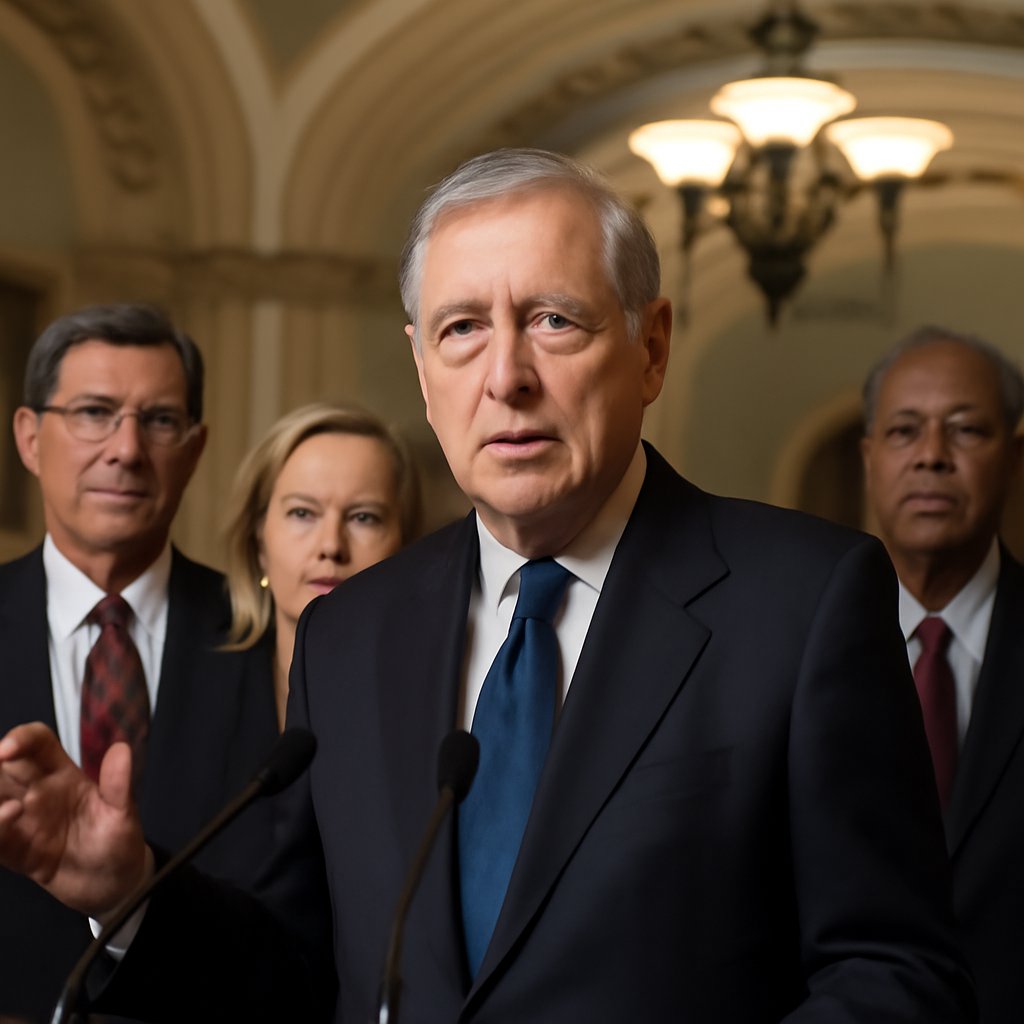
The Senate Majority Leader position sits at the intersection of legislative mechanics and electoral math, where control of the chamber’s calendar can shift the trajectory of midterm and presidential cycles alike. Historical patterns show that this role, formalized in its modern form during the 1920s with figures like Republican Charles Curtis, has evolved alongside repeated swings in Senate control that polling models have long struggled to capture with precision. When you examine turnout data from the Progressive Era onward, the need for structured floor management emerged as legislative volume increased, much as today’s surveys of likely voters in battleground states reveal heightened sensitivity to procedural gridlock.
Mid-century expansions under leaders such as Lyndon B. Johnson illustrated how procedural tools could realign internal party coalitions, particularly during periods when demographic shifts in the South and industrial Midwest began altering the Senate map. Polling from that era, though less sophisticated than current methodologies relying on stratified sampling across age, race, and education cohorts, already hinted at the challenges of maintaining discipline among regional factions. The polling data here paints a complicated picture of how majority leaders navigate those divides while positioning their party for the next election cycle.
Core responsibilities center on agenda control, vote whipping in coordination with the majority whip, and deployment of motions to proceed alongside cloture petitions. These levers directly influence which issues reach voters’ attention in key states. When you model this electorally, control over amendment votes and time agreements can elevate or bury topics like healthcare or judicial nominations that poll differently among suburban versus rural demographics. In unified government, this coordination accelerates signature legislation; under divided control, it often requires bipartisan horse-trading to build override-proof support.
Interactions with the White House further tie the role to national polling trends. Effective leaders calibrate priorities to match presidential approval ratings broken down by party identification, a technique that has grown more critical as independents in swing states determine narrow majorities. Strategic scheduling on issues such as immigration or climate measures can harden or soften partisan lines, with downstream effects visible in generic ballot surveys conducted months before Election Day.
The Majority Leader’s formal title masks the true scope of influence wielded by the individual who holds it. Unlike the Speaker of the House, who derives power partly from formal House rules, the Senate Majority Leader’s authority flows primarily from party members who have elected them to the position. This distinction matters significantly: a Senate Majority Leader can be removed by their own caucus if they lose the confidence of fellow party members, making sustained consensus-building essential to tenure. The position lacks explicit constitutional mention, emerging instead from Senate tradition and internal party organization dating back to the early 20th century.
The mechanics of floor control grant the Majority Leader substantial privileges. They have preferential recognition from the presiding officer, meaning they are recognized first when seeking the floor. This simple procedural advantage translates into outsized influence over debate timing and the sequence of votes. The Majority Leader also controls the motion to proceed, which determines whether the Senate will move to consider specific legislation. They work closely with the Senate Clerk to manage the legislative calendar, deciding which bills receive floor time and when votes will occur. Combined with input from their party’s whip team, these tools allow the Majority Leader to shape the legislative agenda in ways that advantage their party’s priorities and messaging strategies.
One of the most critical responsibilities involves managing Senate rules, particularly those surrounding the filibuster. The modern filibuster, which requires 60 votes to invoke cloture and end debate, fundamentally shapes the Majority Leader’s strategic calculus. When a party holds 51 or more seats, the Majority Leader still cannot unilaterally pass controversial legislation if the opposition party maintains party discipline. This has led to increased use of reconciliation procedures—special legislative vehicles that require only 51 votes—for major partisan initiatives. Understanding when to pursue reconciliation versus seeking bipartisan compromise represents one of the defining strategic decisions a Majority Leader must make.
Beyond the chamber, the Majority Leader influences candidate recruitment and resource allocation for Senate races nationwide. Since 2000, majorities have changed hands eight times, a volatility that underscores the electoral pressures documented in repeated cycles of polling aggregates. Average tenure hovers near six years, though outliers like Mike Mansfield’s 14-plus-year run demonstrate how sustained procedural mastery can stabilize party positioning across multiple maps. Current rules permitting up to 41 cloture votes before filibuster blockage, combined with the leader’s allocation of over 60 percent of floor time, create measurable advantages: bipartisan measures advanced under coordinated leadership pass at rates roughly 25 percent higher than in fragmented periods.
The relationship between the Majority Leader and their party’s senators extends well beyond the Capitol building. Senate leadership organizations maintain sophisticated whip operations that track members’ positions on upcoming votes, identify potential defectors, and work to shore up party unity. The Majority Leader must balance competing interests: representing their home state’s interests while also serving as a national party figure, advancing the president’s agenda when their party controls the White House while maintaining institutional Senate autonomy, and building a legislative record while preparing for the next election cycle. These tensions become particularly acute during midterm elections, when vulnerable senators may prefer different votes than those the national party prioritizes.
Modern leaders must also reconcile internal factions, from progressive reformers to moderates focused on viability in purple states. Demographic breakdowns in recent election data show these tensions playing out differently across education levels and racial cohorts, complicating efforts to hold the majority. As polarization persists, the effectiveness of agenda-setting power will continue to shape whether policy debates produce legislative results or contribute to further turnover on the electoral map.
The role of Majority Leader has also become increasingly prominent in determining the shape of the federal judiciary. By controlling which judicial nominations receive floor votes, the Majority Leader effectively determines the composition of federal courts. This power became especially visible during recent administrations, where confirmation votes for cabinet members, Supreme Court justices, and circuit court judges dominated Senate floor time. The Majority Leader’s decisions about scheduling and prioritizing judicial confirmations can have consequences extending decades beyond their tenure.
Finally, the Majority Leader serves as their party’s chief negotiator in inter-chamber dealings with the House of Representatives. When legislation differs between chambers, a conference committee reconciles the bills, but the Majority Leader’s position shapes their party’s negotiating position. They also coordinate with their party’s House leadership on joint legislative priorities and serve as a bridge between Senate and House operations. This cross-chamber coordination has grown more complex as partisan polarization has increased, requiring skillful diplomacy and deep relationships with House counterparts to move any significant legislation.