

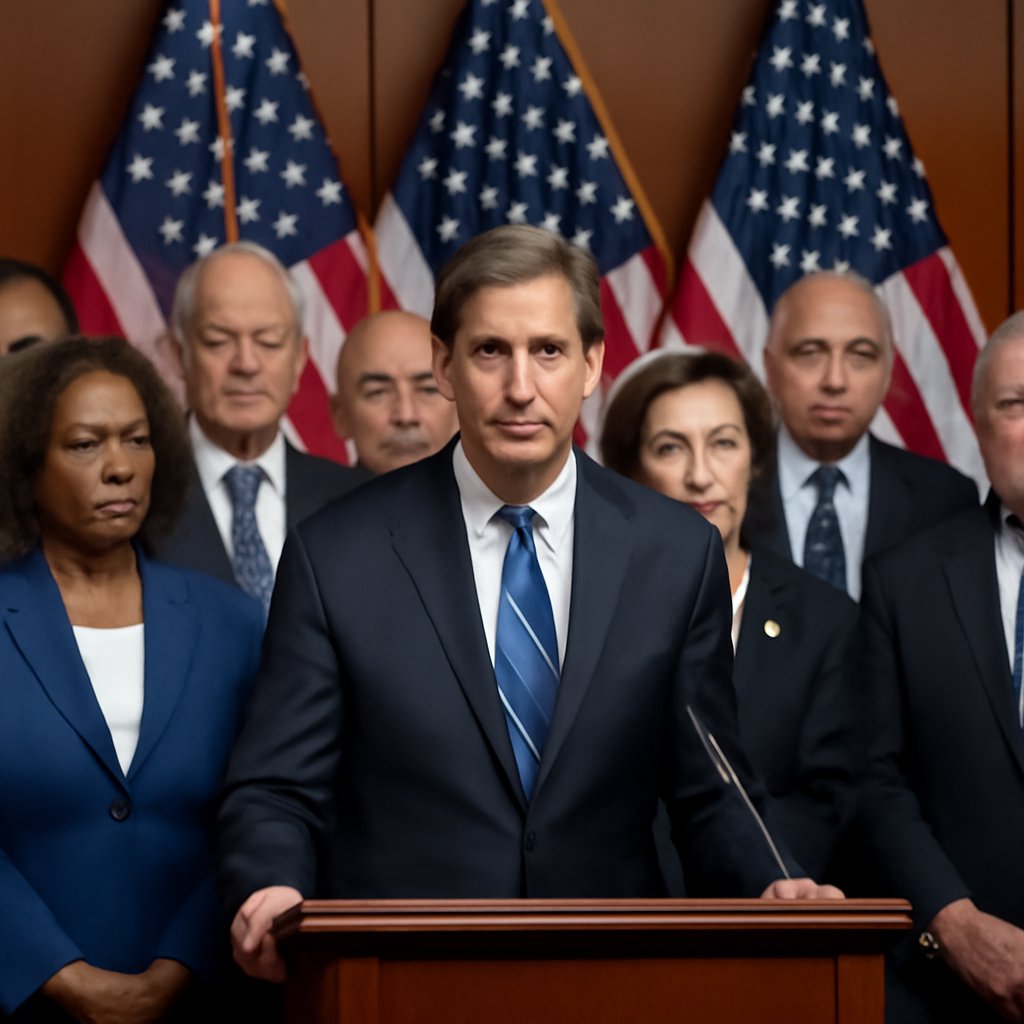
As a Latina journalist covering Washington accountability, I’ve spent years digging through campaign finance records and lobbying disclosures to understand what really drives legislation across party lines. The financial disclosures tell a story the press releases don’t: even the most celebrated bipartisan deals since 2000 carried fingerprints of industry money, from pharmaceutical PACs to Wall Street donors who shaped outcomes long before votes were cast.
The No Child Left Behind Act of 2001 marked an early education overhaul backed by President George W. Bush and lawmakers from both parties. It tied federal funds to standardized testing while boosting resources for disadvantaged schools, yet records show education testing companies ramped up lobbying expenditures in the preceding cycle. Sarbanes-Oxley followed corporate collapses like Enron with new reporting rules and an oversight board; despite overwhelming support, accounting and finance interests disclosed millions in contributions that aligned with the push for measured rather than sweeping reforms.
Medicare’s prescription drug expansion in 2003 added coverage through a mix of subsidies and market mechanisms. Pharmaceutical industry filings reveal heavy spending on both sides of the aisle during negotiations, illustrating how entitlement growth often intersects with donor priorities. The Intelligence Reform and Terrorism Prevention Act of 2004 created the Director of National Intelligence post after 9/11 recommendations, passing amid broad consensus on information sharing—though defense contractor disclosures from that period highlight sustained influence on national security spending.
Energy legislation in 2007 raised vehicle efficiency standards and funded renewables research, drawing support from environmental and industry voices alike. Oil and alternative energy PAC contributions tracked closely with the debate, underscoring efforts to balance import reduction with corporate incentives. The 2008 Emergency Economic Stabilization Act, better known for TARP, authorized Treasury purchases of troubled assets after initial House rejection; bank and financial services lobbying records from the crisis era show coordinated outreach that helped secure the revised bipartisan package.
The 2009 American Recovery and Reinvestment Act delivered stimulus for infrastructure, green energy, and tax relief amid recession, with some Republican backing on specific provisions. Federal election data from the cycle reveal infrastructure and clean-tech donors directing resources toward key committees. Later, the 21st Century Cures Act accelerated FDA approvals and NIH funding, backed by health-focused committees; drug and biotech disclosures indicate sustained advocacy that eased regulatory pathways while expanding research dollars.
The First Step Act of 2018 cut certain mandatory minimums and expanded rehabilitation programs, passing with more than 85 percent Senate support through an unusual conservative-progressive coalition. Criminal justice reform groups and private prison interests both filed disclosures around the effort. Finally, the CARES Act of 2020 committed roughly $2.2 trillion in pandemic relief including direct payments and business aid, negotiated rapidly across parties; finance and healthcare sector filings from early 2020 document accelerated lobbying that shaped allocation details.
No Child Left Behind lifted federal education outlays more than 40 percent in its first five years. Sarbanes-Oxley initially raised compliance costs about 20 percent for public firms while lifting transparency metrics. Medicare Part D enrollment topped 40 million beneficiaries within a decade. Bipartisan energy measures since 2000 correlated with a 15 percent decline in U.S. oil imports relative to prior peaks. These outcomes remain measurable, yet the underlying campaign finance trails remind us that shared votes often follow shared donor ecosystems rather than pure national interest.
Understanding bipartisan achievement requires recognizing both the genuine policy victories and the complex interests that enabled them. The period from 2000 onward presented unusual opportunities for cross-party cooperation on several fronts. After 9/11, national security concerns created momentum for the Intelligence Reform Act that transcended typical partisan divides. Economic crises in 2008 and 2020 similarly produced urgency that compressed typical ideological opposition, at least temporarily. These moments reveal how external pressure—whether security threats or economic collapse—can align incentives across party lines in ways routine legislative debate rarely achieves.
The mechanics of bipartisan success often involve compromise that pleases neither ideological wing completely. NCLB’s emphasis on testing drew criticism from progressive educators concerned about teaching-to-the-test, while conservative fiscal hawks questioned unlimited federal education spending. Medicare Part D’s market-based structure frustrated single-payer advocates while its coverage expansion disappointed those preferring cost containment. These balanced outcomes, while imperfect, represent genuine negotiations where both parties moved from initial positions. The presence of donor influence doesn’t negate the legislative work; rather, it complicates the narrative by showing how industry priorities sometimes aligned with broader public goals.
Measuring success for these initiatives reveals mixed results when viewed holistically. NCLB initially expanded educational access but faced implementation challenges and unintended consequences regarding standardized testing emphasis. Sarbanes-Oxley strengthened corporate accountability and investor protection, though debates continue regarding compliance burden on smaller firms. The 2007 energy legislation contributed to improved fuel efficiency standards that persist today, reducing both emissions and oil dependence. TARP, initially unpopular, ultimately cost less than anticipated when troubled assets recovered, though its implementation raised questions about fairness in bank rescues versus homeowner assistance.
The pandemic relief packages demonstrated how crisis creates bipartisan openness despite polarization. Initial COVID-relief bills passed with substantial majorities as both parties recognized economic necessity. However, subsequent rounds saw increasing partisan division, illustrating how bipartisan consensus weakens as immediate crisis recedes. This pattern appears throughout post-2000 legislation: bipartisan support proves most durable when addressing acute problems with clear urgency, while more contentious issues split along party lines regardless of crisis context.
Looking at these ten achievements, several patterns emerge. Bipartisan bills tend to address either external crises (terrorism, financial collapse, pandemic) or issues where constituencies from both parties benefit (infrastructure investment, defense spending, energy independence). Geographic distribution matters significantly—legislation benefiting rural Republicans and urban Democrats simultaneously, or supporting manufacturing hubs across diverse regions, faces fewer obstacles. Conversely, issues affecting one demographic or region disproportionately rarely achieve such consensus.
The role of key figures in enabling bipartisanship cannot be overstated. Senators like John McCain, Susan Collins, and others who prioritized legislative achievement over party messaging facilitated compromise. Leadership willing to negotiate—whether Democratic or Republican—proved essential. As polarization has intensified since 2000, these bridge-builders have become rarer, making legislative compromise increasingly difficult even when shared interests exist.