
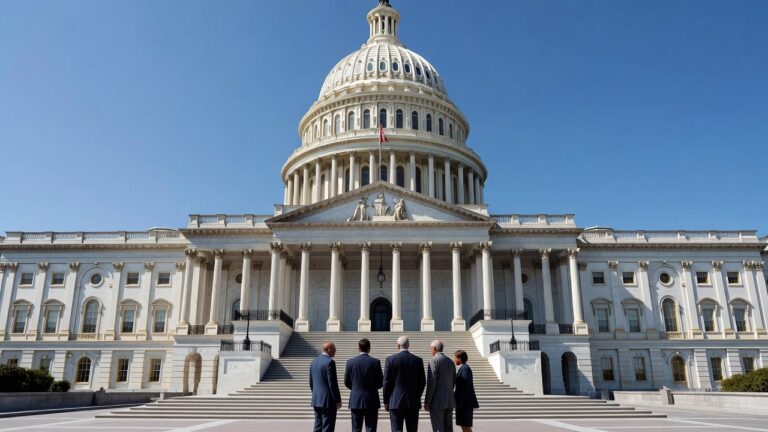
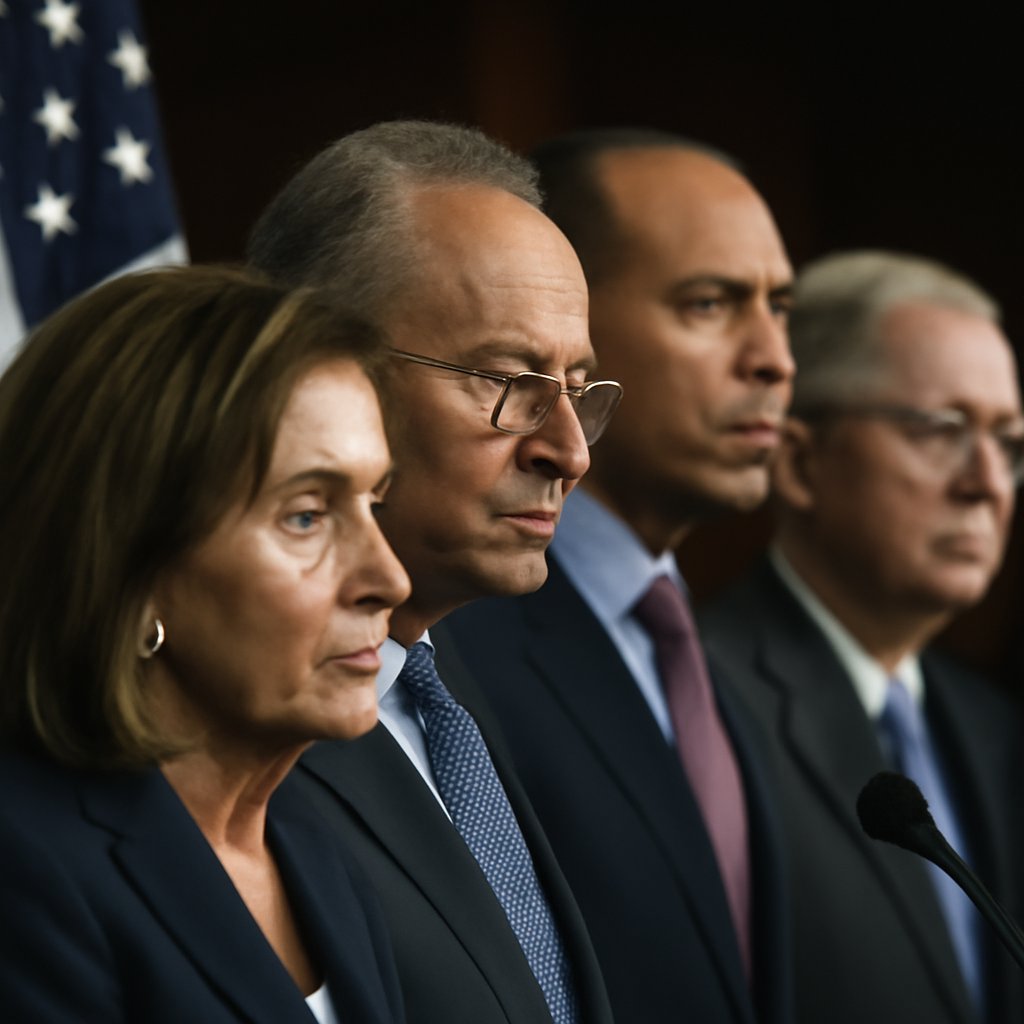
Congressional parliamentarians operate as the steady procedural referees in a chamber where election-year deadlines and divided government create constant pressure on the legislative calendar. Their interpretations of Senate and House rules have repeatedly determined whether major fiscal packages reach the floor or stall under the Byrd Rule, patterns that track closely with historical midterm and presidential cycles since the Congressional Budget Act of 1974 restructured reconciliation.
When you model this electorally, rulings on what qualifies as extraneous matter can accelerate or delay campaign promises in ways that register in generic-ballot polling among suburban independents and working-class voters in Rust Belt and Sun Belt districts. The polling data here paints a complicated picture because approval of congressional performance tends to dip during prolonged procedural fights regardless of which party holds the majority, a trend visible in exit polls from 2010 through 2022.
Senate parliamentarian Elizabeth MacDonough, in the role since 2012, has advised on more than fifteen reconciliation packages. Her Byrd Rule decisions on healthcare and climate provisions forced revisions that both parties later cited in messaging ahead of midterms. Alan Frumin, who held the post across multiple terms, shaped precedents during the 2010 healthcare debate and debt-ceiling negotiations; those same precedents continue to influence how administrations calculate vote thresholds in closely divided chambers. Only seven individuals have served as Senate parliamentarian since the position was established in 1928, underscoring the institutional continuity that parties rely on when mapping legislative strategy to electoral calendars.
The role of Senate parliamentarian has evolved significantly from its inception. When first created nearly a century ago, the position was largely ceremonial, with responsibilities limited to basic rule interpretation and chamber decorum. Today, the parliamentarian’s office employs a small but highly specialized team of experts in legislative procedure, constitutional law, and Senate precedent. These professionals work behind the scenes to process amendments, rule on points of order, and provide advisory opinions that shape the legislative landscape. The institutional knowledge accumulated over decades becomes invaluable when Congress faces novel procedural questions or unprecedented legislative scenarios. MacDonough’s tenure, in particular, has been marked by an increasing volume of requests for advisory opinions on reconciliation legislation, reflecting the growing reliance of both parties on this expedited legislative process to advance major fiscal initiatives.
In the House, parliamentarians enforce germaneness standards and manage the Rules Committee process, reviewing over one thousand amendments per session on average. These constraints have proven decisive in appropriations cycles and impeachment proceedings, directly affecting the pace at which White House priorities survive in election years. Historical patterns show that when House procedures tighten around must-pass bills, voter perceptions of gridlock intensify, particularly among demographics that prioritize legislative output over partisan messaging. The House Rules Committee itself has become a critical nexus of power, and the parliamentarian’s interpretations of what amendments qualify as germane to pending legislation can determine whether rank-and-file members get floor votes on their priorities. This gatekeeping function has elevated the position to unprecedented visibility in recent years, particularly when committees clash over the scope of proposed amendments to major bills.
The Byrd Rule, named after the late Senator Robert Byrd of West Virginia, represents perhaps the most consequential procedural constraint that parliamentary advisors must navigate. Enacted as part of the Budget Act of 1990, the rule prohibits the inclusion of extraneous matter in reconciliation bills—legislation that can pass the Senate with a simple majority rather than the sixty votes typically required. The rule itself has been invoked more than sixty times since 1985, altering the scope of fiscal legislation in ways that echo through subsequent campaigns. Parliamentarian rulings have touched signature initiatives across at least four presidential administrations, yet the entire nonpartisan apparatus in both chambers comprises fewer than twenty dedicated experts supporting 535 members. The definition of what constitutes “extraneous matter” remains subject to interpretation, creating opportunities for disagreement that can cascade into broader legislative disputes. MacDonough’s rulings on the inclusion of climate provisions, immigration requirements, and healthcare mandates in reconciliation packages have generated significant political attention precisely because they determine whether transformative policy changes advance or stall.
Understanding the mechanics of reconciliation and the parliamentarian’s role within it illuminates why these officials wield such outsized influence. Reconciliation legislation emerged from the Congressional Budget Act as a tool to enforce budgetary discipline, allowing Congress to adjust revenues and mandatory spending through expedited procedures. However, the scope of what can be included in such bills has expanded dramatically, and parliamentarians have become the primary arbiters of boundaries. When Senate Majority Leader Chuck Schumer requested MacDonough’s advice on whether provisions from the Build Back Better Act qualified for reconciliation in 2021, her ruling essentially determined the fate of significant portions of that legislative agenda. The precedent-setting nature of these decisions means that today’s advisory opinions shape the universe of what future majorities will attempt.
Procedural disputes resolved by these officials have surfaced in more than 30 percent of major election-year legislative battles since 2000, a frequency that aligns with shifts in battleground-state turnout models when voters punish perceived inaction. The connection between parliamentary procedure and electoral outcomes may seem obscure, but it reflects a deeper reality: when Congress struggles to pass legislation due to procedural obstacles, public frustration with Congress generally increases, and that frustration translates into electoral consequences. Voters in competitive districts often cite legislative productivity as a factor in their voting decisions, and when parliamentarian rulings block provisions that members had championed to their constituents, those members face credibility challenges in subsequent campaigns.
The appointment process for parliamentary positions, while technically nonpartisan, carries subtle political implications. While the position itself is protected from direct partisan pressure, the individuals who assume these roles bring their own perspectives and interpretive philosophies. The Senate has historically allowed the Majority Leader to effectively nominate the parliamentarian, though the position carries statutory protections against arbitrary removal. This dynamic creates an inherent tension: the parliamentarian must maintain perceived neutrality while being selected through a process that inevitably involves political considerations. Both parties have attempted to challenge or discredit parliamentarian rulings when those rulings disadvantaged their legislative priorities, though such challenges rarely succeed, as the institutional authority of the office protects against overt politicization.
Parliamentarians ultimately anchor the process against short-term political winds. Their influence registers most clearly not in raw vote totals but in the narrower set of procedural decisions that determine which policies parties can claim credit for before voters head to the polls. As Congress continues to rely on reconciliation and other expedited procedures, the role of these institutional experts becomes increasingly central to understanding legislative outcomes. The small cadre of individuals who staff the offices of the Senate and House parliamentarians deserve greater recognition for the impact they exert on American governance, even as they labor in relative obscurity.
Sources
- Reuters Politics – US political news and congressional coverage
- AP News – US Politics Hub with breaking congressional news
- NPR Politics – In-depth reporting on Congress and US politics
- Politico Congress – Daily coverage of Capitol Hill and lawmakers
- House.gov – Office of the Parliamentarian official page