
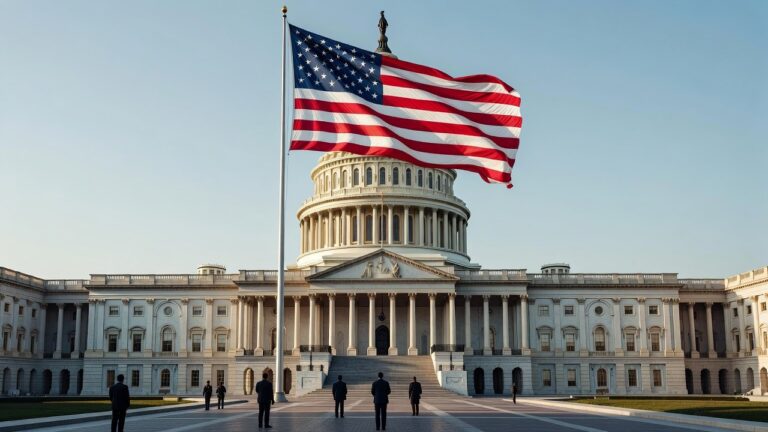
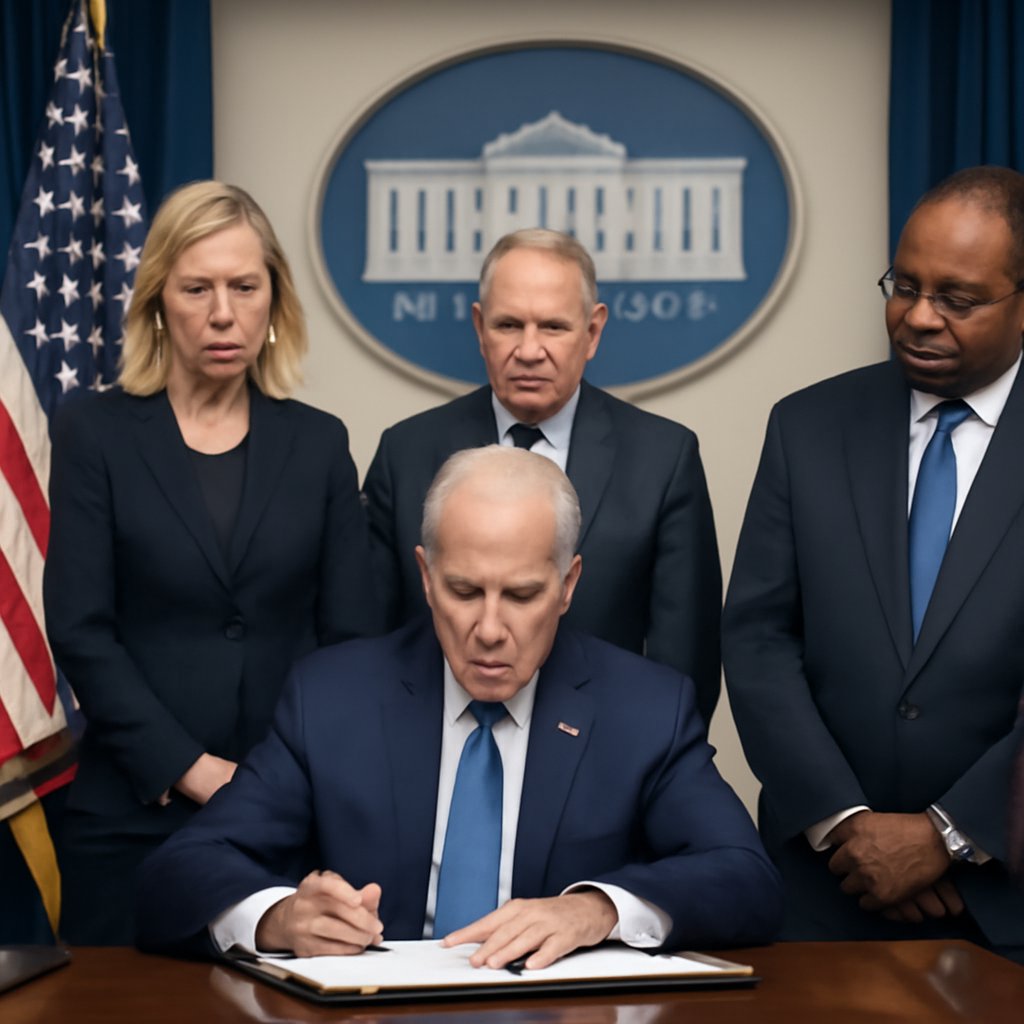
The presidential veto power stands as one of the Constitution’s most potent tools for shaping what becomes law, yet its real-world deployment often reveals more about donor influence and lobbying muscle than about abstract checks and balances. As a Latina journalist covering Washington accountability, I’ve seen how these decisions ripple through communities that rarely appear in donor spreadsheets.
Article I, Section 7 gives presidents ten days (Sundays excluded) to review legislation, returning it with objections if they disapprove. That mechanism was meant to curb hasty lawmaking while leaving Congress the final say via supermajority override. In practice, the veto functions as both shield and bargaining chip: administrations routinely signal opposition during negotiations to extract concessions on spending provisions or regulatory riders. The financial disclosures tell a story the press releases don’t—lobbying reports filed with the Clerk of the House and Secretary of the Senate frequently show spikes in activity from trade associations and corporate PACs precisely when veto threats surface.
A regular veto arrives with a formal message to Congress, inviting an override attempt. The pocket veto, by contrast, kills a bill when the president withholds signature and Congress has adjourned. Disputes over whether Congress can reconvene to vote on a pocket-vetoed measure have persisted for decades. Modern White House teams now supplement both tools with Statements of Administration Policy issued well before floor votes, a practice that lets donors and their lobbyists calibrate campaign contributions accordingly. Campaign finance records show that industries facing potential vetoes often increase independent expenditures in the months leading up to key votes.
Overriding requires two-thirds support in each chamber—a threshold met only about 7 percent of the time historically. When overrides fail, they frequently become campaign talking points, with outside groups funding ads that tie lawmakers to the vetoed measure. Congress sometimes folds rejected provisions into must-pass appropriations bills, exposing the veto’s limits once government funding deadlines and the donors who benefit from those outlays enter the equation.
Since 1789 presidents have cast more than 2,500 vetoes, Franklin D. Roosevelt holding the record at 635. Congress has overridden just 110 of them. Roughly 1,000 were pocket vetoes, many deployed during lame-duck periods. Contemporary presidents issue fewer formal vetoes per term, relying instead on preemptive negotiations and signing statements. Data from congressional research shows a 40 percent rise in veto threats during divided government. Only nine presidents, all from the early republic, never used the power at all. Election years reliably produce heightened veto activity as administrations position themselves for donor audiences and voter bases alike.
The veto’s effectiveness depends heavily on political circumstances. When a president’s party controls both chambers of Congress, vetoes become rarer because party leadership often prevents legislation the president opposes from reaching their desk in the first place. Conversely, divided government—where one party controls the presidency and another controls Congress—produces the highest veto activity. This dynamic has intensified over recent decades as partisan polarization has deepened. Presidents increasingly use veto threats not merely to stop legislation but to shape its final form through back-channel negotiations that never appear in official records.
The constitutional text provides presidents considerable discretion in composing veto messages. While Article I requires only that they return a bill “with their Objections,” modern veto messages often run dozens of pages, offering detailed constitutional or policy arguments. These messages become part of the legislative record and can influence how courts interpret related statutes. Presidents have also used veto messages to signal their interpretation of ambiguous statutory language, though this practice raises separation-of-powers questions that legal scholars continue to debate.
Line-item vetoes represent a persistent focal point in veto discussions. Forty-four states grant their governors the power to veto specific provisions within appropriations bills while signing the rest into law. Presidents have repeatedly sought similar authority, arguing it would reduce wasteful “pork-barrel” spending. Congress authorized a federal line-item veto in 1997, but the Supreme Court struck it down in Clinton v. City of New York (1998), holding that the Constitution grants presidents only the binary choice of signing or vetoing an entire bill. This decision remains hotly contested among constitutional scholars and fiscal hawks who view it as an obstacle to budgetary discipline.
The veto also intersects with executive orders and administrative rulemaking in ways that complicate the traditional legislative-executive balance. A president facing a veto-proof Congress might pursue policy objectives through regulatory action instead. Conversely, Congress sometimes passes legislation specifically designed to prohibit or overturn executive orders and regulations. The resulting legislative-executive dance shapes actual governance more than civics textbooks typically acknowledge. Trade policy offers perhaps the clearest example: presidents have repeatedly used veto threats to maintain negotiating leverage while agencies craft regulations that implement trade agreements or retaliate against other nations’ trade barriers.
Historical veto patterns reveal evolving executive assertiveness. Nineteenth-century presidents used vetoes sparingly, viewing them as appropriate only for clearly unconstitutional legislation. Andrew Jackson dramatically expanded veto use, establishing the principle that presidents could reject bills on policy grounds, not just constitutional ones. This shift provoked charges that he exceeded his authority, but it ultimately prevailed. By the twentieth century, vetoes had become standard tools of executive power. Theodore Roosevelt and Franklin D. Roosevelt deployed them aggressively, though their substantial congressional majorities limited override opportunities.
The Trump presidency (2017-2021) provides an instructive modern case study. President Trump issued 10 regular vetoes—far below historical averages—but frequently employed veto threats to shape legislative negotiations. His most prominent veto override occurred when Congress voted to terminate his national emergency declaration regarding border wall funding, marking only the third veto override in the preceding fifty years. The relative rarity of overrides reflects not only the two-thirds requirement but also strategic calculations by congressional leaders, who often prevent override attempts when they lack sufficient votes, thereby protecting members from recorded votes that could invite primary challenges.
Presidential signing statements offer another dimension to veto power worthy of examination. When presidents sign legislation while simultaneously issuing statements expressing constitutional objections to certain provisions, they signal which parts they intend to enforce narrowly or interpret creatively. Courts have disagreed about whether signing statements carry legal weight, but they clearly communicate executive intent and can guide agency implementation. Some scholars argue signing statements function as a quasi-veto, allowing presidents to nullify statutory language without triggering the congressional override mechanism.
The mechanics of this authority continue to tilt the balance between branches, with lobbying disclosures and campaign-finance filings offering the clearest window into whose priorities ultimately prevail. Understanding veto power requires examining not just the formal constitutional framework but the political economy surrounding its use—the networks of interests that mobilize when a veto threat emerges, the lawmakers whose districts depend on spending provisions presidents oppose, and the broader ecosystem of campaign contributions and lobbying expenditures that shape which bills ever reach a president’s desk in the first place.
Sources
- Reuters Politics – Breaking news and analysis on U.S. political developments
- AP News U.S. Politics – Associated Press coverage of American political events
- NPR Politics – National Public Radio’s political journalism and reporting
- Politico – Comprehensive coverage of U.S. politics and government
- Congress.gov Constitution – Official U.S. Constitution and legislative resources