

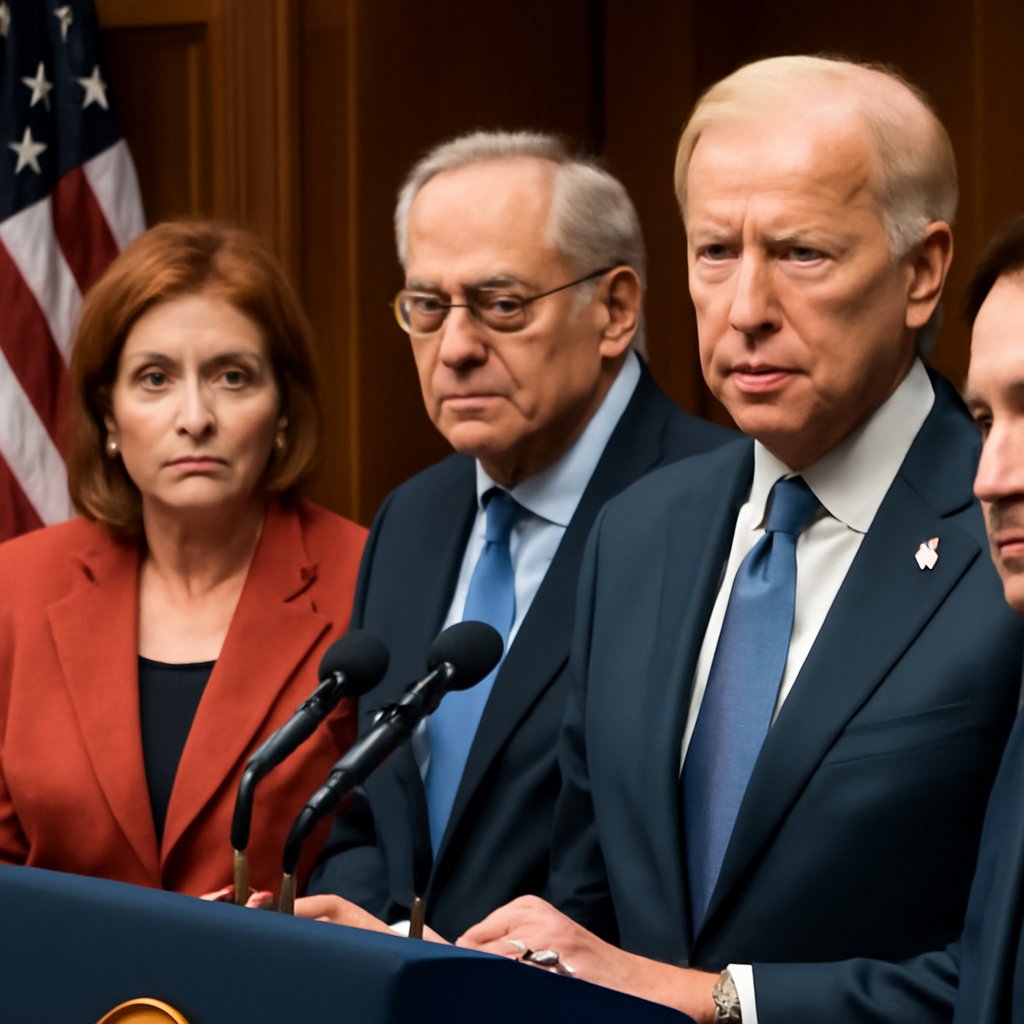
US trade policy debates have increasingly intersected with electoral dynamics, where legislative priorities, executive actions, and external pressures converge to influence voter coalitions in key regions. The goods trade deficit hitting $1.19 trillion in 2023 has intensified scrutiny, particularly in manufacturing-heavy districts that often decide close races. When you model this electorally, the map highlights how trade stances resonate differently across the Rust Belt, agricultural heartland, and tech corridors.
Congressional committees like House Ways and Means and Senate Finance anchor much of the deliberation on tariffs and agreements, drawing on constitutional authority over commerce. Bipartisan divides surface clearly around measures like the USMCA renegotiation, with lawmakers from industrial states pushing labor safeguards while those from export-oriented areas emphasize agricultural access. Election cycles since 2016 have featured trade as a top issue in at least 12 battleground states, amplifying these regional splits during midterms and presidential contests. The polling data here paints a complicated picture: surveys using stratified sampling across Midwest and Sun Belt respondents show stronger support for protections among union households and older demographics, whereas younger voters and coastal professionals lean toward enforcement focused on supply chain security rather than broad tariffs.
Executive actions add another layer, with presidents from both parties invoking statutes like Section 232 and Section 301 to adjust tariffs and target issues such as intellectual property concerns. These moves have generated over $80 billion in revenue since 2018, affecting industries unevenly. During campaigns, rhetoric around renegotiated deals often targets swing-state voters in states like Pennsylvania and Michigan, where historical patterns from 2016 onward reveal trade messaging correlating with turnout shifts among non-college-educated men. Interagency coordination involving the USTR and Commerce Department can pivot with geopolitical events, yet the electoral map shows how such policies test the balance between free-trade principles and targeted protections in battleground districts.
Interest groups ranging from labor unions to business associations and environmental organizations exert pressure through lobbying and contributions, shaping outcomes on bills introduced in the 118th Congress—more than 200 trade-related measures in total. Public opinion, measured in polls with oversamples of key demographics like rural respondents and import-sensitive workers, amplifies calls for job preservation and national security priorities. Geopolitical factors with major partners further complicate the picture, fueling debates on engagement versus decoupling. Recent polling tied to election narratives indicates over 60% of Americans favor stricter Chinese import enforcement, though breakdowns reveal notable variation: higher among Midwest manufacturing demographics and lower among service-sector households in suburban swing areas. Historical election patterns since 2016 demonstrate that these divides have consistently influenced resource allocation in at least a dozen competitive states.
The USMCA replacing NAFTA in 2020 after extensive negotiations underscores how these forces interact, with congressional approval reflecting constituent feedback from diverse economic regions. As cycles continue, the interplay of data on deficits, polling methodologies, and district-level trends offers a clearer view of where policy adjustments may gain traction on the electoral map.
Beyond the headline figures, understanding trade policy requires recognizing how specific industries anchor regional economies and voting patterns. The automotive sector, concentrated in Michigan, Ohio, and Indiana, has proven particularly sensitive to trade negotiations. The USMCA’s rules of origin provisions—requiring 75% North American content for vehicles—directly affect assembly plants and supplier networks across these states. When trade debates intensify, autoworkers and their families become swing voters whose support can shift based on messaging about job protection versus competitiveness. Similarly, agricultural trade disputes with China have reshaped political dynamics in Iowa, Illinois, and Nebraska, where tariff-related revenue payments to farmers have become a visible—and sometimes controversial—subsidy mechanism tied to executive trade actions.
The intellectual property dimension of trade policy often receives less media attention but significantly influences how tech companies and pharmaceutical manufacturers lobby Congress. Section 301 investigations into IP theft have primarily targeted China but also touched on trade partners across Asia and Europe. Pharmaceutical manufacturers, for instance, have pushed for stricter enforcement of patent protections in trade agreements, while generic drug producers and patient advocacy groups counter with concerns about drug pricing and access. These competing interests surface during trade agreement ratification votes, where biotechnology-heavy districts in Massachusetts, California, and North Carolina become focal points for interest group spending.
Supply chain resilience emerged as a dominant theme following pandemic disruptions and geopolitical tensions. The bipartisan consensus around “friend-shoring”—prioritizing trade relationships with allied nations over lowest-cost production—reflects a strategic shift from purely cost-driven models. This principle influenced the Biden administration’s approach to semiconductor manufacturing, with the CHIPS and Science Act representing a legislative companion to trade policy aimed at reducing reliance on Taiwan for advanced chips. Congressional members from districts with semiconductor suppliers or assembly operations have become vocal advocates for these policies, creating unusual bipartisan coalitions in regions traditionally divided on free trade.
Labor unions, historically protectionist-leaning, have become more nuanced in their trade positions. While maintaining support for tariffs on imports that directly displace workers, union leadership increasingly emphasizes enforceable labor standards in trade agreements. The labor chapters in USMCA represent a substantive shift from NAFTA, allowing for more aggressive monitoring of union organizing rights in Mexico. Union households in swing states have demonstrated that trade messaging matters more when paired with commitments to labor standards rather than blanket protectionism. This dynamic influences how both parties frame trade proposals to working-class voters.
Environmental groups have evolved their trade policy engagement as well, shifting from blanket opposition to trade agreements toward detailed scrutiny of environmental chapters and enforcement mechanisms. Climate-conscious voters in suburban areas increasingly view trade policy through the lens of carbon emissions and forest protection, particularly in agreements with major agricultural exporters. This has created openings for candidates to articulate trade positions that balance economic and environmental concerns, particularly in districts where both coalitions matter electorally.
Media coverage and narrative framing significantly shape public perception of trade policy outcomes. Trade deficits, while economically complex, are often presented as unambiguous negative indicators during campaign seasons. News coverage of tariff announcements and retaliatory actions tends to emphasize immediate business reactions rather than longer-term equilibrating effects or consumer price impacts. This creates an environment where trade policy announcements become major campaign events, with candidates competing to claim credit for “winning” trade negotiations or preventing unfavorable outcomes.
The role of think tanks and policy organizations in framing trade debates deserves consideration. Organizations across the ideological spectrum—from the Cato Institute emphasizing free-trade benefits to the American Economic and Labor Union Coalition advocating stricter enforcement—provide research and testimony that inform both policymakers and public discourse. During election cycles, these organizations intensify their communications efforts, publishing reports timed to influence voter perception in key states.
Foreign government strategies also shape US trade policy dynamics. China’s strategic purchasing of US agricultural products from swing states, the European Union’s retaliatory tariff lists targeting specific congressional districts, and Mexico’s negotiating tactics all represent sophisticated attempts to influence American political outcomes. When trade disputes escalate, foreign governments often calibrate their responses to maximize domestic political pressure on US policymakers, creating cascading effects through affected communities and supply chains.