Home Blog Page 10

Top Facts About the House Rules Committee

0

“`html

Top Facts About the House Rules Committee

As a Latina journalist covering Washington accountability, the House Rules Committee isn’t just a procedural checkpoint—it’s the quiet enforcer that decides which bills with big-money fingerprints ever see daylight. The financial disclosures tell a story the press releases don’t: members of this panel routinely haul in contributions from industries whose legislation they greenlight or bury.

The panel’s lineage stretches back to 1789 as a select committee before becoming a standing body in 1849. Its real muscle grew during the Gilded Age power struggles, when Speakers Thomas Reed and Joseph Cannon weaponized it to lock down the floor. Later flashpoints—the 1910 revolt against Cannon and the post-1970s transparency tweaks—show how the committee bends but rarely breaks under pressure from both parties.

Its core job remains issuing special rules that dictate open, closed, or structured debate. That authority turns the panel into the ultimate gatekeeper, determining whether amendments from the minority or even rank-and-file majority members can touch priority measures. In practice, this means lobbyists and leadership staff spend far more time in Rules than in authorizing committees, because the rule itself often becomes the real legislative text.

Committee makeup reinforces the tilt: nine majority members to four from the minority. Campaign finance records show these seats frequently go to members whose donor lists align tightly with the Speaker’s agenda on appropriations, tax policy, and defense spending. Closed rules, which shut down most amendments, have climbed from roughly 20 percent of major bills in the 1990s to more than half in recent sessions, according to congressional procedure trackers.

Over 90 percent of significant legislation now reaches the floor only after a Rules Committee stamp. The panel handles hundreds of rules each Congress, shaping everything from COVID relief packages to infrastructure packages. When divided government arrives, those same rules become messaging tools—timed to highlight differences ahead of elections rather than to advance compromise.

Coordination with Senate leaders and the White House happens routinely, yet the public rarely sees the donor calls that precede them. Leadership loyalty remains the ticket to a Rules seat, ensuring the committee functions less as an independent referee and more as an extension of the majority’s fundraising and policy priorities. Tracking those financial flows alongside the procedural votes reveals how concentrated power in thirteen members continues to steer the broader legislative calendar.

Understanding the three main types of special rules clarifies how this committee shapes legislative outcomes. Open rules permit any germane amendment to be offered from the floor, theoretically allowing debate across the full spectrum of ideas. Modified open rules—sometimes called structured rules—allow specific amendments pre-approved by the Rules Committee to proceed, creating a middle ground between rigid control and free-for-all debate. Closed rules, the most restrictive, allow only amendments proposed by the committee reporting the bill and leadership-designated ones. The shift toward closed rules accelerated noticeably after the 2010 midterms, reflecting broader trends toward centralized control of the legislative agenda regardless of which party holds the majority.

The committee’s role extends beyond simple procedural votes. Rules can fundamentally alter substantive policy by controlling which amendments reach a vote. A rule might explicitly carve out protections for certain industries while appearing neutral on its face. For example, a rule governing a tax bill might allow amendments on standard deductions but prohibit amendments targeting specific corporate tax provisions. Minority party members, even when they hold committee seats, find themselves routinely outvoted on rule decisions that significantly impact their ability to offer alternatives or hold the majority accountable through amendment votes.

Historical precedent demonstrates the committee’s capacity to either facilitate or obstruct legislative progress. During the New Deal era, the Rules Committee under Democratic control generally expedited Roosevelt administration priorities, though with occasional resistance from Southern Democrats protecting regional interests. The post-World War II period saw the committee become a source of friction between conservative Southern Democrats and liberal Northern Democrats, with Rules votes sometimes signaling deeper party fractures. The 1970 Legislative Reorganization Act introduced reforms requiring recorded votes in committee and expanded minority party participation, yet these transparency measures have not fundamentally altered the majority’s procedural advantage.

Current procedural dynamics reveal the committee’s influence over the legislative calendar itself. Leadership designates which bills receive rules first, and the timing of rules can strategically advantage or disadvantage particular legislation. A bill receiving a rule early in the session enjoys more floor time and media attention, while one relegated to the final weeks faces pressure to pass quickly or die in the rush. This scheduling power, while technically procedural, carries enormous substantive consequences. Contentious bills that might generate amendments and debate can be shunted aside in favor of less controversial measures when leadership wants to preserve floor time for other priorities.

The relationship between Rules Committee membership and committee assignments elsewhere in the House illustrates the interconnected nature of congressional power. A Representative serving on Rules typically maintains their original committee assignment—whether it’s Ways and Means, Energy and Commerce, or Defense-focused committees. This dual role creates opportunities for cross-committee coordination that can shape legislative outcomes across multiple policy areas. A Rules Committee member with expertise in healthcare, for instance, can influence both the substance of health legislation through their primary committee and its procedural path through Rules votes.

Recent Congresses have highlighted partisan tensions over Rules Committee decisions. During periods of narrow majorities, Rules votes have grown increasingly contentious, with minority party members formally objecting to closed rules and publicizing their dissent. These objections, while procedurally futile given the numbers, serve to create a record of obstruction that can factor into subsequent election messaging. The committee has become a venue where both parties theater their procedural complaints for C-SPAN cameras and social media audiences.

The technical aspects of rule-writing deserve attention as well. House Rules employ specialized staff who literally draft the text governing how each bill proceeds to debate and amendment. These staff positions, filled at leadership’s discretion, wield considerable influence over the precise wording of rules that control debate time, amendment procedures, and voting mechanisms. The language of a rule—seemingly arcane to outsiders—can determine whether a decade-old dispute receives another floor vote or whether a new issue receives initial consideration.


Sources

“`

Understanding the Vice President’s Constitutional Powers

0

“`html

Understanding the Vice President's Constitutional Powers

As a Latina journalist covering Washington accountability, I’ve spent years sifting through campaign finance records and lobbying disclosures that reveal how power really operates beyond the constitutional text. Understanding the Vice President’s constitutional powers requires a close examination of the U.S. Constitution, its amendments, and the practical influence this office wields within the legislative and executive branches. While often viewed as secondary to the presidency, the vice president’s constitutional powers shape Senate proceedings, presidential succession, and high-stakes policy debates in Congress and the White House.

The framers of the Constitution deliberately crafted a limited yet pivotal role for the vice president. Article I, Section 3 designates the vice president as President of the Senate, granting authority to preside over sessions and cast tie-breaking votes. This legislative function stands as the clearest enumerated power in the founding document and directly impacts congressional gridlock on critical legislation. The financial disclosures tell a story the press releases don’t—lobbying expenditures routinely spike around the narrow margins where one tie-breaker can swing everything from tax policy to regulatory rollbacks.

Historically, the tie-breaking power was viewed as a ceremonial responsibility, rarely invoked. However, the modern Senate’s razor-thin partisan divisions have transformed this constitutional provision from theoretical to practically consequential. When the Senate splits evenly between parties—a scenario that has occurred multiple times in recent decades—the vice president becomes a de facto 51st vote on every measure. This shift fundamentally changes the calculus of what legislation can pass, who gets confirmed to critical positions, and how the president’s agenda advances through the chamber.

Article II outlines the vice president’s succession duties, stating that in cases of presidential removal, death, resignation, or inability, the vice president assumes presidential powers. These vice president’s constitutional powers were later clarified by the 25th Amendment, which formalized procedures for temporary or permanent transfer of authority. The amendment emerged after periods of presidential incapacity, underscoring ongoing policy debates about executive continuity.

The succession mechanism exists as one of the Constitution’s most important fail-safes, yet it remained vague for nearly two centuries. Nine vice presidents have ascended to the presidency—four through assassination, four through death by natural causes, and one through resignation. Before the 25th Amendment’s ratification in 1967, no clear protocol existed for handling temporary incapacity or the succession of cabinet positions after a vice president became president. This constitutional gap created potential governance crises that the amendment specifically designed to prevent.

Beyond ceremonial duties, the vice president’s tie-breaking authority in the Senate has proven decisive throughout American history. With 108 tie-breaking votes recorded as of 2024, this mechanism has shaped outcomes on treaties, judicial nominations, budget resolutions, and major policy initiatives. Recent vice presidents have used this power more frequently during periods of narrow partisan majorities, highlighting how vice president’s constitutional powers intersect with election outcomes and congressional control. Campaign finance data shows these razor-thin majorities often trace back to outside spending that flips Senate seats, giving the tie-breaker outsized leverage over donor-backed priorities.

The statistical trend is striking: Vice President Kamala Harris cast 31 tie-breaking votes during the 117th Congress alone—more than any other vice president in a single congressional session. This reflects not only her aggressive use of the power but also the structural reality of extreme partisan division, where nearly every major vote could swing on a single ballot. By comparison, Vice President Joe Biden cast 0 tie-breaking votes during his eight years as vice president under the Obama administration, when Democrats held larger Senate majorities. The contrast demonstrates how the same constitutional power produces vastly different practical impacts depending on electoral outcomes.

The vice president’s Senate presidency allows direct intervention in confirmation votes for Supreme Court justices, cabinet secretaries, and federal judges. During divided government or slim majorities, this authority amplifies the vice president’s influence on White House priorities. Historical examples include votes on controversial nominees that would otherwise have stalled, demonstrating the office’s quiet but substantial leverage within Congress. As a Latina journalist covering Washington, I keep circling back to the lobbying reports that flood in before these votes—millions spent to shape who gets confirmed when one ballot decides the outcome.

One particularly illustrative example involved the confirmation of Amy Coney Barrett to the Supreme Court in 2020. While that confirmation ultimately succeeded with Republican control of the Senate, the preceding votes on other judicial nominees during periods of narrower margins highlighted how vice presidential tie-breakers can determine whether a president’s judicial vision advances or stalls. Similarly, executive cabinet confirmations that divide the Senate have sometimes depended entirely on the vice president’s authority to break a deadlock.

The 25th Amendment significantly expanded the vice president’s constitutional powers regarding presidential incapacity. Sections 3 and 4 provide mechanisms for voluntary or involuntary transfer of power, requiring the vice president and cabinet to act in concert. This framework has been invoked multiple times for medical procedures, setting precedents that continue to inform White House contingency planning and congressional oversight discussions.

Section 3 of the amendment allows a president to voluntarily relinquish powers—a provision invoked during medical procedures when anesthesia is required. Presidents Reagan, George W. Bush, and Biden have each used this mechanism, establishing norms that normalize temporary power transfer without suggesting presidential weakness or incapacity. Section 4, by contrast, establishes a far more contentious process where the vice president and cabinet majority can declare the president unable to fulfill duties against the president’s wishes. This provision has never been invoked, though it has been discussed in national debates about presidential fitness and mental or physical capability.

Presidential transitions and midterm shifts often spotlight the vice president’s role as a stabilizing force. From the early republic through contemporary elections, vice presidents have ascended to the Oval Office nine times due to death or resignation. These events illustrate how vice president’s constitutional powers serve as a constitutional safeguard, affecting both immediate governance and long-term electoral strategies.

The vice president also serves as a key member of the National Security Council and typically chairs the Space Council—roles that, while not explicitly rooted in the Constitution, have become institutionalized components of vice presidential responsibility. Modern vice presidents are routinely involved in major policy decisions, international diplomacy, and economic initiatives. This expanded role reflects an evolution from earlier eras when vice presidents were often sidelined, viewed as expendable political figures with minimal substantive duties.

Recent administrations have also tasked vice presidents with portfolio-specific assignments: President Biden assigned Vice President Harris leadership on border security and voting rights advocacy, expanding the office’s functional scope beyond constitutional minimums. These assignments demonstrate how presidents strategically deploy vice presidential authority to address high-priority issues while maintaining constitutional propriety.

Understanding how vice presidents navigate their constitutional powers also requires acknowledging the political pressures and constraints they face. A vice president cannot unilaterally implement policy without presidential approval. The tie-breaking vote power, while potent, requires the Senate to be in session and requires the vice president to interpret the Constitution’s silence on when exactly this power applies. Questions about whether a vice president can cast a tie-breaker on procedural matters versus substantive votes have sparked legal and constitutional debate, particularly in recent decades.

Key Facts and Statistics
– The vice president has cast 108 tie-breaking votes in Senate history, with Kamala Harris holding the record at 31 votes during the 117th Congress.
– Four vice presidents have become president due to assassination or natural death of the sitting president in the 19th century alone.
– The 25th Amendment has been invoked six times for temporary presidential incapacity, most recently during medical procedures under Presidents Reagan, George W. Bush, and Biden.
– Only two vice presidents have resigned: John C. Calhoun in 1832 and Spiro Agnew in 1973.
– Since 1789, 15 vice presidents have later served as president, either through succession or election.
– Tie-breaking votes have decided Supreme Court nominations on at least three occasions in the modern era.
– Vice President John Adams cast no tie-breaking votes during his tenure, while Vice Presidents from periods of close partisan division cast dozens.
– The longest gap without a tie-breaking vote lasted 27 years, from 1881 to 1908, reflecting periods of decisive party control.

Understanding the Vice President’s constitutional powers reveals an office that balances limited formal authority with outsized practical influence over Congress and the executive branch. From tie-breaking votes that break legislative stalemates to succession protocols that ensure governmental continuity, these powers remain central to American political stability. The vice presidency has evolved from a position of relative obscurity—as Vice President John Adams famously lamented, calling it “the most insignificant office”—into a substantive role with real decision-making authority in a polarized legislative environment.

The framers never anticipated that vice presidents would regularly cast decisive votes, nor did they imagine the degree

Understanding the Vice President’s Constitutional Powers

0

“`html

Understanding the Vice President's Constitutional Powers

The vice presidency occupies a unique constitutional perch that intersects directly with Senate control and presidential succession, dynamics that become especially pronounced when election cycles produce narrow majorities. Article I, Section 3 positions the vice president as President of the Senate with authority to break ties, a power whose practical weight fluctuates with each cycle’s map and the demographic coalitions that delivered those seats. Historical patterns show this authority activating most often during periods of divided or slim-margin government, where a single vote can resolve judicial nominations, budget measures, or treaty ratifications that otherwise stall.

The constitutional framework deliberately constrained the office’s formal powers. Unlike many cabinet members or senators who wield direct legislative authority, the vice president’s legislative role is strictly limited to presiding over Senate proceedings and casting tie-breaking votes. This minimalist design reflects the Framers’ concern about concentrating power, yet it simultaneously positions the office as a potential swing mechanism when chamber divisions narrow. The Senate’s rules grant the presiding officer limited authority to shape debate or procedure compared to parliamentary systems, further narrowing the vice president’s formal legislative toolkit. Understanding this constraint is essential to parsing how modern vice presidents accumulate influence—typically through executive branch assignments delegated by the president rather than through constitutionally mandated powers.

Article II’s succession clause, later refined by the 25th Amendment, adds another layer that election strategists track closely. When presidential incapacity occurs, the vice president assumes duties through formalized procedures that have now been tested across multiple administrations. The amendment’s Sections 3 and 4 create a collaborative mechanism involving the vice president and cabinet, invoked six times for temporary transfers tied to medical procedures. These episodes underscore how contingency planning around executive continuity can shape both immediate governance and longer-term electoral positioning, particularly in cycles where health or age narratives influence voter coalitions in battleground states. The 25th Amendment, ratified in 1967 following President Kennedy’s assassination, fundamentally transformed succession from an ambiguous process into a structured protocol, reducing uncertainty about executive authority during transition periods.

Tie-breaking votes offer the clearest quantitative window into the office’s legislative leverage. As of 2024 the cumulative total stands at 108, with Kamala Harris casting 31 during the 117th Congress alone. When you model this electorally, the frequency rises sharply in chambers balanced near 50-50, often reflecting the demographic sorting of Senate seats won in the previous midterm or presidential map. Three modern Supreme Court confirmations have hinged on these votes, illustrating how the mechanism amplifies influence over the federal judiciary during periods of polarized partisan control. These tie-breakers have proven decisive on nominations for cabinet positions, federal judges, and Executive Board members, making the vice president’s presence in closely divided chambers consequential far beyond ceremonial duties.

The historical distribution of tie-breaking votes reveals significant patterns about congressional alignment and polarization. Early vice presidents cast tie-breakers infrequently because Senate margins typically favored one party decisively. The frequency has accelerated in recent decades as parties have become more evenly matched and ideologically cohesive. John Adams, serving as the first vice president, cast 29 tie-breaking votes—still among the highest totals—during a period when the young nation’s politics remained fluid and factional rather than rigidly partisan. Vice presidents serving during the Civil War era and Reconstruction witnessed elevated vote-breaking activity as regional divisions produced narrow margins on consequential measures. Modern examples, including Harris’s high count, reflect the structural polarization of contemporary American politics where single votes routinely determine legislative outcomes.

The vice president’s role in Senate proceedings extends beyond tie-breaking to include various procedural and ceremonial duties. The vice president may be called upon to recognize senators seeking recognition, though this power is typically exercised by a designated president pro tempore for routine business. During crucial votes or historic moments, however, the vice president’s presence in the chair carries symbolic weight and occasional procedural authority. The vice president also participates in Senate traditions such as swearing in newly elected senators and may participate in state funerals or official ceremonies when the president delegates such duties. These functions, while often overlooked, reinforce the office’s constitutional integration into the legislative branch.

Fifteen vice presidents have eventually reached the Oval Office, nine through succession after death or resignation and the remainder via election. Four of those 19th-century successions stemmed from assassination or natural causes, patterns that repeatedly altered campaign timelines and party succession planning. Only two vice presidents have resigned—John C. Calhoun in 1832 and Spiro Agnew in 1973—events that reset electoral calculations mid-cycle. The polling data here paints a complicated picture of how voters weigh vice-presidential experience against presidential fitness, especially when demographic subgroups prioritize stability or institutional continuity. The assassination of Lincoln and Garfield, combined with the deaths of Harrison and Taylor, created unexpected presidencies that shaped party realignment and policy direction in ways the original ticket’s voters may not have anticipated.

Modern vice presidents have increasingly accumulated informal powers through special assignments delegated by sitting presidents. Beginning with Walter Mondale’s tenure under Jimmy Carter, successive administrations have tasked vice presidents with leading task forces, diplomatic missions, and policy initiatives that operate parallel to cabinet-level authority. Joe Biden served as point person on the Recovery Act implementation and later on relations with Latin America. Kamala Harris has undertaken assignments related to voting rights and border policy coordination. These delegated responsibilities lack constitutional foundation but operate within the executive branch’s organizational flexibility, allowing presidents to leverage the vice president’s political capital and national visibility. This evolution illustrates how the office’s practical influence depends less on constitutional text than on presidential choice and political circumstances.

The vice presidency’s relationship to presidential succession became more systematized following the 25th Amendment’s ratification. Before 1967, succession protocols remained vague, and vice presidents sometimes faced uncertainty about whether to assume full presidential powers or merely exercise delegated authority during temporary incapacity. The amendment’s four sections address presidential disability, death, and removal, establishing that the vice president becomes president when those events occur. Section 3 allows presidents to voluntarily transfer power, as occurred when Reagan underwent surgery. Section 4 permits the vice president and cabinet majority to declare the president unable to discharge duties, a safeguard never yet invoked. These mechanisms create a coherent succession framework that stabilizes markets, reassures allies, and prevents constitutional ambiguity during crises.

Voters’ perception of the vice presidency has evolved alongside constitutional development and partisan polarization. Early American opinion often viewed the office as a consolation prize or stepping stone rather than consequential executive authority. This changed gradually as presidents delegated more responsibility and as media coverage intensified around vice-presidential succession scenarios. By the late 20th century, vice-presidential selection became subject to intense scrutiny regarding age, experience, regional balance, and demographic appeal. Contemporary campaigns treat vice-presidential choice as a defining moment that signals strategic priorities and coalition-building ambitions to voters. Ticket-balancing strategies, once paramount, have yielded somewhat to emphasis on competence and succession readiness, reflecting voter concern with executive stability.

Overall, the office’s limited formal powers produce outsized downstream effects on congressional gridlock and executive continuity, effects that track closely with the geographic and demographic outcomes of each national election. The vice presidency remains fundamentally what the Constitution made it—a bridge between executive and legislative branches with clearly bounded formal authority. Its contemporary significance depends far more on presidential delegation and political circumstance than on constitutional text. Understanding this distinction between formal and practical power remains essential for citizens seeking to evaluate vice-presidential candidates and anticipate how the office might function under different political alignments.


Sources

Analysis of Bipartisan Legislation Success Rates

0
Analysis of Bipartisan Legislation Success Rates

Bipartisan legislation success rates have become a telling barometer of how money and influence shape what actually gets done in Congress, especially as polarization deepens and divided government persists. Tracking these patterns through campaign finance records and lobbying disclosures reveals which cross-aisle deals survive the pressure of donor interests and which ones quietly die once the checks stop flowing.

Historical data shows a sharp drop since the mid-20th century. In the 1960s and 1970s, major bills with bipartisan sponsorship cleared Congress at rates above 60 percent, producing civil rights laws and environmental protections that endured. By recent sessions those figures have fallen to between 15 and 30 percent. Congressional Research Service figures from 1947 to 1990 indicate that roughly 40 percent of enacted laws carried significant backing from both parties, a level sustained by committee norms that have since eroded under heavier outside spending.

The mechanics of this decline merit examination. The rise of primary elections as determinative forces in many districts has created incentive structures that punish moderation. Candidates who cooperate across party lines often face well-funded primary challengers backed by ideological PACs and issue-advocacy groups. This dynamic has intensified since the 1990s, when campaign spending by outside groups began accelerating. Members of Congress now calculate that a vote for bipartisan compromise may cost more in primary challenges than it gains in general election security. The math shifts only when issues transcend the partisan divide—typically during genuine crises or when both parties recognize mutual electoral benefit.

Several variables now determine outcomes. Senate filibuster thresholds and House procedural blocks routinely sink measures unless they attract sixty votes or discharge-petition support. White House signaling can still move the needle, yet election cycles tied to fundraising calendars tend to reward base mobilization over compromise. The financial disclosures tell a story the press releases don’t: industries with heavy PAC contributions often see targeted defense and infrastructure packages advance, while broader reforms stall when donor coalitions fracture.

Committee dynamics deserve closer attention as well. Bills that move through regular committee process with bipartisan markup sessions show substantially higher success rates than those introduced and pushed to floor votes without standard deliberation. The committee structure, despite its inefficiencies, creates space for technical negotiation and relationship-building among members of both parties. When leadership bypasses committees to expedite partisan priorities, bipartisan support typically evaporates. The Infrastructure Investment and Jobs Act succeeded partly because it was routed through committees where senators could amend language, credit-claim, and build genuine investment in the outcome.

Regional coalitions also predict bipartisan success more reliably than party affiliation alone. Rural members from both parties often find common ground on agricultural subsidies, water infrastructure, and public lands management. Rust Belt representatives, whether Republican or Democrat, frequently align on manufacturing and labor-related provisions. Coastal members tend toward agreement on maritime and fisheries policy. These geographic interests can override partisan loyalty when the stakes are sufficiently local. Campaign contributions from affected industries in these regions further incentivize such cooperation.

Divided government usually produces a fifteen-point drop in overall passage compared with unified control, though narrow agreements on disaster relief or veterans’ programs still emerge when lobbying pressure aligns. Immigration and entitlement debates illustrate how entrenched donor positions suppress cooperation, whereas external shocks such as the COVID-19 pandemic briefly lifted rates, as seen in the near-unanimous CARES Act of 2020. Follow-up relief efforts quickly encountered resistance once campaign calendars resumed.

The CARES Act example reveals something important about crisis-driven bipartisanship. When existential threats materialize—pandemic, financial collapse, terrorist attack—partisan posturing temporarily recedes because both parties recognize that failure carries immediate, visible consequences for constituents. These windows of cooperation typically close quickly, however. By the third and fourth COVID relief packages, partisan divisions reasserted themselves around implementation details, liability protections, and spending allocations that benefited different geographic regions differently.

Recent Congresses supply clear examples. The 2021 Infrastructure Investment and Jobs Act secured sixty-nine Senate votes after sustained committee negotiations and industry backing. Comprehensive immigration reform, by contrast, repeatedly collapsed despite early bipartisan cosponsors once electoral calculations and opposing donor networks took hold. In the 117th Congress, energy and infrastructure packages that cleared committees posted markedly higher success rates than bills routed around regular order.

The semiconductor manufacturing bill, part of the broader innovation package, succeeded because it attracted bipartisan support rooted in competition concerns about China. Defense contractors, tech companies, and labor unions all saw advantage in the measure. When legislation can align the interests of traditional Republican corporate backers with Democratic labor and environmental constituencies, the math becomes feasible. Conversely, bills that pit these groups against one another—such as environmental regulations affecting manufacturing or labor provisions in trade agreements—face severe headwinds regardless of which party controls Congress.

Key figures underscore the pattern. Bipartisan legislation success rates averaged 22 percent across the 116th and 117th Congresses. More than 80 percent of laws enacted from 2017 to 2022 carried at least some cross-party cosponsorship. Infrastructure and defense authorization measures that attracted bipartisan support cleared at rates above 50 percent. Presidential veto threats have cut success odds for contentious bipartisan proposals by nearly 30 percent since 2000. Public approval ticks up modestly after visible bipartisan wins, yet committee-reported bills still enjoy a 40 percent higher passage rate than those bypassing standard process.

Understanding why certain bills succeed while others fail requires tracing not just the votes but the financial architecture beneath them. Media companies that benefit from controversy have less incentive to cover bipartisan deal-making favorably. Advocacy groups funded by ideological donors score members on partisan purity rather than legislative effectiveness. These institutional incentives have calcified over decades, making genuine compromise increasingly rare even when policy solutions exist.

The Senate’s institutional design theoretically encourages bipartisanship—filibuster rules require sixty votes, and committee assignments include both parties. In practice, however, leaders have learned to weaponize parliamentary procedure, and members face career-limiting consequences for straying from party messaging. The House, by contrast, offers majority rule but rarely produces bipartisan bills precisely because majority rule makes compromise less necessary.

As a Latina journalist covering Washington, I keep returning to the same ledger: the campaign finance filings and lobbying reports that map which interests reward cooperation and which punish it. Those records show that sustained attention to donor flows, not just vote tallies, is required to understand why some cross-aisle efforts produce results and others do not.


Sources

Analysis of Bipartisan Legislation Success Rates

0

“`html

Analysis of Bipartisan Legislation Success Rates

Bipartisan legislation success rates have long served as a window into how Congress operates under real-world electoral pressures, where cooperation across party lines often determines whether policies survive to enactment or get sidelined by polarization. Tracking these patterns against historical election cycles and public polling reveals consistent links between legislative productivity and voter sentiment heading into midterms or presidential contests.

Looking back at postwar trends, the data shows a clear drop-off from the 1960s and 1970s, when measures with bipartisan sponsorship cleared 60 percent passage thresholds on issues like civil rights and environmental rules. From the 1947-1990 period tracked by the Congressional Research Service, about 40 percent of enacted laws drew meaningful backing from both parties, aided by committee norms and less rigid ideological sorting among members. Recent Congresses have seen those rates settle between 15 and 30 percent, with White House engagement sometimes lifting the numbers when presidents build cross-aisle relationships.

The causes behind this decline are multifaceted and worth examining closely. Increased partisan sorting—the geographic and ideological clustering of like-minded voters—has created fewer swing districts where bipartisan appeal directly influences electoral outcomes. Cable news and social media algorithms have amplified intra-party communication while reducing exposure to opposing viewpoints. The rise of primary elections as the dominant force in candidate selection has incentivized politicians to appeal to their party’s base rather than to moderate swing voters who once rewarded compromise. Additionally, the weakening of committee structures and the increased reliance on party leadership to set legislative agendas has reduced opportunities for cross-party collaboration at earlier stages in the legislative process.

The polling data here paints a complicated picture of how divided government interacts with these rates. Unified control has historically produced higher overall passage, yet divided periods still allow targeted wins on defense or disaster aid. External shocks like pandemics or recessions can briefly boost collaboration, though election cycles tend to suppress it as lawmakers focus on base turnout. When you model this electorally, the 15-point drop in passage during divided Congresses aligns with tighter margins in swing districts, where voters in demographic breakdowns—particularly suburban independents and working-class cohorts—show modest upticks in congressional approval after high-profile bipartisan deals.

Understanding the specific mechanisms that enable bipartisan success provides insight into what legislative conditions favor cross-party cooperation. Bills addressing non-ideological topics—such as technical fixes to existing law, naming post offices, or routine authorizations—pass with bipartisan support at far higher rates than measures touching on core partisan values. Issues framed around shared national interests, particularly security threats or economic crises, temporarily elevate cooperation. Importantly, legislation that includes something for both sides—what negotiators call “sweet spots” where each party gains substantive wins—has a significantly higher closure rate than zero-sum proposals where one side perceives itself as losing ground.

Recent sessions illustrate the variability. The 2021 Infrastructure Investment and Jobs Act secured 69 Senate votes, with 19 Republicans joining Democrats to support a $1.2 trillion package emphasizing roads, bridges, and broadband expansion. Meanwhile, repeated immigration reform efforts collapsed despite early cross-party cosponsorship, as the issue remained too central to partisan identity formation. The CARES Act of 2020 passed with near-unanimous support during the initial COVID response, but subsequent relief packages faced steeper procedural resistance as the acute crisis phase ended and partisan positioning resumed. Committee-reported bills enjoy a 40 percent higher success rate than those bypassing regular order, a pattern that often favors infrastructure and defense authorizations, which clear above 50 percent when bipartisan.

The role of committee work deserves particular emphasis when analyzing legislative success. Committees provide a venue where members develop relationships across party lines, where technical expertise can be exercised more freely from partisan pressure, and where compromises can be crafted in relative privacy before public positions harden. The decline in committee power and the increase in bills being negotiated directly between party leadership has corresponded with the decline in bipartisan passage rates. Some legislative scholars argue that revitalizing committee structures could be among the most effective structural reforms to improve cross-party cooperation, though such reforms require leadership willing to decentralize power.

Key data points from the 116th and 117th Congresses combined show bipartisan legislation success rates averaging 22 percent. Over 80 percent of laws enacted from 2017-2022 included some cross-party cosponsorship, though “cosponsorship” is a weak measure of true bipartisan support—bills can technically be bipartisan while passing on near-party-line votes if opposition members are merely listed as supporters without voting for passage. Presidential veto threats have cut success rates for contentious proposals by nearly 30 percent since 2000. These figures matter electorally because public approval for Congress rises modestly after visible bipartisan achievements, potentially influencing turnout models in battleground states where demographic shifts among younger and minority voters reward perceived functionality over gridlock.

The electoral calculus around bipartisanship has also shifted in revealing ways. Historically, voting for bills from the opposing party could be portrayed in a home district as principled moderation. Today, primary challengers and outside advocacy groups more readily weaponize such votes as betrayals, making individual members cautious about high-profile cross-party votes. This dynamic is asymmetric—some research suggests it affects vulnerable Democrats in conservative areas and vulnerable Republicans in liberal areas differently—but it generally reduces the electoral safety of bipartisan positioning across both parties.

Looking forward, several structural and political factors will shape bipartisan success rates in coming years. If partisan polarization continues to deepen, rates may decline further. Conversely, if economic conditions worsen or new security threats emerge, crisis-driven cooperation could spike temporarily. The composition of Congress also matters—certain cohorts of newer members show either greater or lesser willingness to work across the aisle depending on recruitment and primary dynamics. Additionally, changes in Senate rules around the filibuster or reconciliation procedures can dramatically alter which bills require bipartisan support to pass.

Strategic leadership and timely policy focus can still produce results even amid compressed rates, though future election outcomes and White House priorities will continue to shape the incentives for cross-aisle work. Members who invest in relationships across party lines, who understand the technical details of policy areas, and who frame proposals in terms of shared values rather than partisan victory can still build coalitions. The infrastructure success demonstrates that when conditions align—adequate funding, genuine need, constituent support, and political timing—bipartisanship remains achievable even in highly polarized environments.


Sources

“`

Pros and Cons of Congressional Term Limits

Pros and Cons of Congressional Term Limits

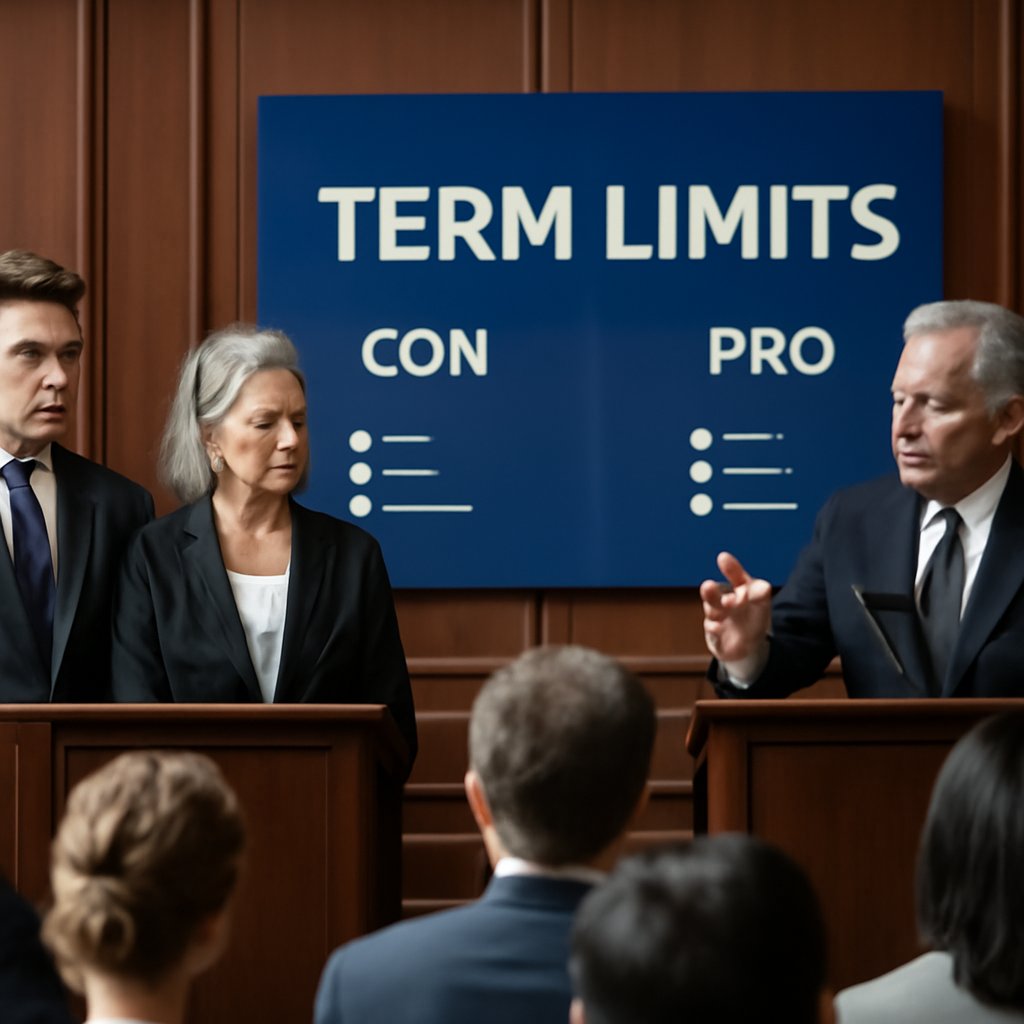
The conversation around congressional term limits keeps surfacing in voter surveys and campaign rhetoric, driven by frustration with lawmakers who accumulate decades in office. When you model this electorally, the impact would vary sharply across the map: safe suburban districts in the Northeast or Midwest might see quicker turnover among long-tenured incumbents, while competitive Sun Belt battlegrounds could flip more seats toward challengers attuned to shifting demographics like younger Hispanic voters or suburban professionals.

Polling from Gallup and Pew has shown consistent support above 75 percent for over two decades, with breakdowns revealing little partisan gap—typically 70-plus percent among both Democrats and Republicans in national samples using standard live-interview and online methodologies. Yet the data here paints a complicated picture once you layer in age cohorts and education levels; older voters with deeper historical ties to specific representatives tend to show slightly softer backing, while college-educated independents in swing states register the strongest enthusiasm.

The mechanics of implementing congressional term limits would require a constitutional amendment, a deliberately high bar that reflects the Framers’ concern about casually altering fundamental governmental structures. An amendment needs approval from two-thirds of both the House and Senate, followed by ratification from three-fourths of state legislatures—a threshold that has been cleared only 27 times since the Constitution’s adoption in 1787. The Twenty-Second Amendment, which limits presidents to two terms, remains the only term-limit amendment ever ratified, passed in 1951 following Franklin D. Roosevelt’s four election victories. This historical context underscores why no similar measure for Congress has succeeded, despite recurring grassroots pressure across multiple election cycles and administrations.

Advocates point to reduced entrenchment and the potential for fresh candidates to enter through open seats, noting that state-level experiments in seventeen legislatures have produced roughly 20 percent higher turnover rates. Historical patterns from the 1990s Republican wave illustrate how term-limit proposals gained traction in state referenda before the Supreme Court’s 1995 Thornton decision blocked states from adding qualifications for federal races. That precedent still shapes today’s amendment math, where two-thirds majorities in both chambers remain elusive. The Thornton ruling determined that states cannot impose term limits on federal candidates without a constitutional amendment—a decision that effectively nationalized the debate and shifted the burden of reform onto Congress itself, creating an obvious collective-action problem since legislators must vote to limit their own tenure.

Supporters of term limits argue that long-serving members often become disconnected from constituent needs, particularly in districts that have shifted demographically over decades. They contend that fresh blood in Congress could accelerate responsiveness to emerging issues like climate policy, artificial intelligence regulation, and digital privacy—areas where entrenched committees may move slowly. Additionally, term limits could reduce the fundraising advantage held by incumbents, who typically outraise challengers by three-to-one margins or higher. This structural advantage makes it difficult for competitive primary challenges to unseat sitting members, even when their districts lean toward the other party or when public approval ratings dip below 30 percent nationally. Proponents argue that term limits would level this playing field and encourage a broader cross-section of Americans—including young professionals, entrepreneurs, and community leaders—to consider running for office.

On the other side, opponents emphasize the erosion of institutional knowledge in areas like appropriations and foreign policy, where seasoned members have historically mentored newcomers across administrations. When you examine electoral outcomes in states that adopted limits, the shift sometimes amplified staff and lobbyist influence rather than curbing it, a pattern that could mirror what happens nationally if average House tenure—currently over nine years—were capped. Senators averaging more than ten years would face similar disruptions, potentially discouraging sustained focus on multi-cycle issues such as entitlement reform.

The experience of California’s state legislature after implementing term limits in 1990 provides instructive lessons. Initially capped at twelve years in either chamber, the limit was later modified to twelve years in either chamber combined—essentially allowing longer tenure in a single chamber. Observers noted that without experienced legislators providing continuity, the legislature became more reliant on staff expertise and outside lobbying organizations to draft complex legislation. Committee members often lacked sufficient tenure to develop genuine mastery of their assigned portfolios, and this gap was frequently filled by well-resourced interest groups and think tanks with sustained institutional memory. Similar dynamics emerged in Michigan and other states, suggesting that term limits alone do not automatically reduce lobbying influence—they may simply redirect it.

Only twenty-three members of the current Congress exceed thirty years of service, underscoring that most careers are already shorter than the career-politician stereotype suggests. Public backing stays robust in repeated cross-party surveys, yet lawmakers themselves have shown little appetite for advancing the constitutional changes needed. Modeling these reforms across the electoral map suggests mixed effects: higher competition in some regions alongside risks of diminished continuity in committees that handle complex legislation.

The foreign policy dimensions of this debate deserve particular attention. Committees on armed services, appropriations, and international relations rely heavily on members who have built relationships with counterparts in allied nations and understand decades of diplomatic precedent. Term limits could disrupt these relationships and create openings for influence from executive branch officials, military contractors, and foreign governments eager to cultivate new members unfamiliar with historical context. Defense appropriations bills, for instance, span multiple fiscal cycles and require sustained engagement with intricate supply chains, procurement timelines, and strategic doctrine—areas where sudden turnover could create inefficiencies or gaps in oversight.

Conversely, advocates counter that the current system has produced gridlock on major issues, suggesting that institutional continuity has not necessarily translated into effective policymaking. They note that the longest-serving members often represent the safest districts and face minimal electoral pressure to compromise, potentially hardening partisan divisions rather than bridging them. From this perspective, term limits could introduce more moderate voices representing swing districts into senior committee positions, fundamentally altering negotiating dynamics on budget, healthcare, and social policy.

The political economy of campaign fundraising adds another layer to this debate. Incumbents typically enjoy name recognition, established donor networks, and institutional resources that challengers cannot easily match. Term limits would force sitting members to step aside, creating open-seat races where fundraising advantages are more evenly distributed and local candidates without prior statewide exposure could compete more viably. This democratization of ballot access could attract candidates from underrepresented demographic groups, though some analysts worry that open seats might be filled by wealthy self-funded candidates rather than grassroots activists.

International comparisons reveal mixed results as well. Many parliamentary democracies lack formal term limits but experience high turnover through electoral volatility and party dynamics—countries like the United Kingdom and Germany see significant congressional churn despite no constitutional limits on individual tenure. This suggests that electoral competitiveness and party discipline may matter more than formal term-limit rules in determining membership longevity. In contrast, some term-limited legislatures have seen increased polarization and reduced institutional capacity, while others have produced more diverse membership without sacrificing legislative effectiveness.


Sources

Pros and Cons of Congressional Term Limits

0
Pros and Cons of Congressional Term Limits

As a Latina journalist covering Washington, I’ve watched how the revolving door between Congress and K Street keeps turning, fueled by campaign finance records that show incumbents raising millions while challengers struggle for airtime. Congressional term limits remain one of the most persistently discussed reforms in U.S. politics, reflecting widespread voter frustration with career politicians who spend decades in Washington. Supporters believe term limits would restore accountability and fresh perspectives to Congress, while critics warn they could disrupt institutional knowledge and shift influence to unelected actors. This debate touches on core questions of representation, experience, and democratic renewal that continue to shape election coverage and policy discussions on Capitol Hill.

Advocates for congressional term limits argue that capping the number of terms members can serve would reduce entrenched power and corruption. The financial disclosures tell a story the press releases don’t: long-serving lawmakers often develop close relationships with lobbyists and special interests, creating an environment where reelection funding takes precedence over constituent needs. Term limits would force regular turnover, bringing new voices into the House and Senate that reflect changing demographics and regional priorities across the country.

Another key benefit centers on increased electoral competition. Incumbents enjoy significant advantages through name recognition, franking privileges, and established donor networks visible in every FEC filing. By limiting tenure, term limits could open more seats to challengers, encouraging a broader pool of candidates including younger professionals, veterans, and community leaders who might otherwise be deterred by the difficulty of unseating entrenched officeholders.

Term limits could also improve legislative productivity by reducing the focus on career preservation. Members knowing their time is finite might prioritize major reforms over incremental measures designed to secure reelection. Historical examples from state legislatures that adopted term limits show mixed but often positive shifts toward more diverse representation and reduced insider dominance.

Opponents highlight the loss of institutional expertise that comes with mandatory turnover. Effective lawmaking requires deep understanding of complex issues such as appropriations, foreign policy, and regulatory frameworks. Seasoned members serve as mentors to newer colleagues and provide continuity during transitions between administrations, a role that becomes harder to fill when experienced voices are systematically removed.

Critics also warn that term limits could empower lobbyists and congressional staff at the expense of elected officials. New members would rely more heavily on permanent bureaucrats and outside experts for guidance, potentially increasing the influence of special interests rather than diminishing it. Lobbying disclosures from states with term limits already reveal this pattern, where policy development increasingly shifted to unelected actors.

Additionally, term limits might discourage long-term thinking on major national challenges. Issues like entitlement reform, infrastructure investment, and climate policy often require sustained attention across multiple Congresses. Shortened tenures could lead to short-term political calculations that undermine durable bipartisan agreements.

The push for congressional term limits gained momentum in the 1990s following Republican gains in the House. Several states passed limits on their federal delegations, though the Supreme Court ruled in U.S. Term Limits v. Thornton (1995) that states could not impose additional qualifications for Congress beyond those in the Constitution. Since then, the issue has resurfaced periodically in campaign platforms and reform proposals without achieving the two-thirds majorities needed for a constitutional amendment.

Public opinion polls consistently show strong support for term limits, often exceeding 70 percent across party lines. This broad appeal makes the topic a frequent talking point during midterm and presidential election cycles, even as lawmakers themselves rarely advance concrete legislation. Recent discussions have tied term limits to broader conversations about congressional dysfunction, campaign finance, and the erosion of comity between the parties.

The average tenure of current House members exceeds nine years, while senators average more than ten years in office. Support for congressional term limits has remained above 75 percent in Gallup and Pew surveys for over two decades. Seventeen states currently impose term limits on their state legislators, providing real-world laboratories for studying effects on turnover and policy outcomes. Only 23 members of the 118th Congress have served more than 30 years, illustrating that while long careers exist, most members serve far shorter periods. Attempts to pass term-limit amendments in Congress have repeatedly failed to reach the required two-thirds vote in either chamber. States with legislative term limits have seen average turnover rates increase by approximately 20 percent compared to states without limits.

The debate over congressional term limits encapsulates fundamental tensions in American governance between the desire for accountability and the need for experienced leadership. While term limits promise to refresh Congress and weaken entrenched interests, they also carry risks of diminished expertise and unintended power shifts. As voters and policymakers continue to weigh these trade-offs, the issue is likely to remain a staple of election coverage and reform proposals aimed at improving the functioning of the legislative branch.


Sources

How Lobbyists Influence Policy Debates in Washington

How Lobbyists Influence Policy Debates in Washington

Lobbyists continue to serve as key intermediaries between organized interests and elected officials, shaping legislative priorities from healthcare to tax policy in ways that ripple through future election cycles. With more than 12,000 registered lobbyists and annual federal lobbying expenditures topping $4 billion, their footprint remains substantial across both parties.

Direct outreach on Capitol Hill includes supplying research, drafting bill language, and appearing in committee hearings. Campaign contributions from affiliated PACs add another layer, particularly in competitive House districts where reelection margins often hinge on fundraising totals. When you model this electorally, the pattern shows heavier activity in states with frequent partisan flips, where bipartisan coalitions can blunt or advance provisions before they reach the floor.

Efforts targeting the executive branch follow similar lines, with meetings at the White House, formal rulemaking comments, and coalition-building among corporations and trade groups. These tactics prove especially relevant on issues decided by executive order, which can alter regulatory baselines in key industrial states and thereby influence voter coalitions heading into the next presidential contest. Grassroots campaigns coordinated by firms generate millions of constituent contacts annually, a volume that can shift internal administration debates on topics ranging from trade to environmental rules.

The mechanics of lobbying influence operate across multiple channels simultaneously. Lobbyists frequently provide technical expertise that legislative staff lack the resources to develop independently. In complex policy areas—pharmaceutical pricing, financial regulation, telecommunications standards—industry representatives often possess specialized knowledge that can shape how bills are written and interpreted. This information asymmetry gives organized interests considerable leverage in negotiations, particularly when Congress operates under tight timelines or limited budgets for committee staff research.

Beyond direct legislative contact, lobbyists engage in what practitioners call “outside strategies.” These include media campaigns, social media initiatives, and coordination with think tanks that produce research supporting particular policy positions. A single lobbying firm might simultaneously place op-eds in major publications, fund academic studies, and organize industry roundtables—all designed to frame policy debates in favorable terms before legislation even reaches committee. These efforts accumulate across months or years, gradually shifting the baseline assumptions lawmakers and the public hold about policy problems and solutions.

Case examples from recent cycles illustrate the continuity. Healthcare lobbying during reform debates moderated Medicare provisions through Senate committee channels, while energy interests on both fossil and renewable sides secured tax-credit language that survived conference negotiations. The polling data here paints a complicated picture: demographic breakdowns among suburban and rural voters reveal differing sensitivities to these policy outcomes, echoing historical patterns where control of Congress changed hands after major spending or regulatory fights.

The financial services sector represents perhaps the most sustained lobbying presence in Washington. Banking associations, insurance groups, and investment firms collectively spend roughly $500 million annually on federal lobbying, maintaining permanent offices within walking distance of Capitol Hill. Following major financial crises or regulatory proposals, this spending spikes noticeably. The 2010 Dodd-Frank implementation period saw financial sector lobbying exceed $750 million in a single year, concentrated particularly on provisions affecting derivative markets and proprietary trading restrictions.

Technology companies have significantly expanded their lobbying footprint over the past decade. What began as modest expenditures in the early 2000s has grown to over $100 million annually as firms confront regulation on data privacy, content moderation, antitrust, and cybersecurity. Unlike traditional industries with established Washington relationships, tech companies initially relied on indirect influence through venture capital associations and business groups. More recently, major platforms have hired experienced government affairs teams and now regularly testify before Congress on issues ranging from Section 230 liability protections to child safety provisions.

The pharmaceutical and healthcare manufacturing industries remain among the heaviest spenders on federal lobbying. Industry groups invest substantial resources in shaping Medicare negotiation rules, patent protections, and drug approval timelines. These expenditures reflect the sector’s recognition that policy decisions directly affect revenue streams—a single change to Medicare reimbursement formulas or generic drug pathways can cost or save companies billions. This economic reality drives consistent, sophisticated engagement with both legislative and executive branch decision-makers.

The revolving door statistic—roughly 60 percent of former members entering lobbying within two years—highlights adaptation across administrations. Healthcare and finance sectors account for nearly one-third of tracked spending, and visitor logs from multiple White Houses document regular access for Fortune 500 representatives. During the 117th Congress, lobbyists helped shape language in over 80 percent of major enacted bills. These figures hold steady regardless of which party holds the majority, underscoring how influence structures persist even as electoral maps redraw every two years.

Understanding why the revolving door persists reveals important truths about lobbying influence. Former members and senior staff possess institutional knowledge, personal relationships with current colleagues, and understanding of legislative processes that younger professionals cannot quickly acquire. They can navigate both the formal committees and informal networks where real decisions get made. Additionally, their presence signals credibility and access to potential clients. A lobbying firm employing a former Senate committee chair attracts clients precisely because of that connection and perceived ability to influence outcomes.

The disclosure requirements for lobbying activity have evolved considerably since the 1995 Lobbying Disclosure Act established baseline transparency. Quarterly reports filed with Congress document spending by client and specific issues lobbied. However, critics note significant gaps in these requirements. Grassroots campaign spending often escapes disclosure requirements, as do activities that fall below the statutory threshold. Additionally, the definition of “lobbying” excludes substantial amounts of influence activity, including media campaigns, research funding, and coalition coordination that doesn’t directly contact federal officials.

Industry coalitions represent another significant but less visible form of lobbying influence. Trade associations—groups representing entire industries—often serve as vehicles for collective lobbying action. The Chamber of Commerce, National Association of Manufacturers, and hundreds of smaller industry groups collectively employ thousands of lobbyists and represent millions in spending. These coalitions allow individual companies to advance shared interests while maintaining distance from potentially controversial positions. When companies disagree on specific provisions, they may support the same bill for different reasons, or one company may lobby while others remain publicly neutral.

Geographic distribution of lobbying activity reflects political geography. Firms maintain headquarters in Washington, D.C. but coordinate campaigns in specific districts and states where key committee members or swing voters reside. Representatives from companies operating in agricultural states will visit members from those states, providing local perspective on how federal policies affect constituents. This targeted approach recognizes that individual members respond most readily to concerns from their home districts and major employers.

The relationship between campaign contributions and lobbying creates a comprehensive influence architecture. A firm might simultaneously contribute to a member’s reelection campaign through a connected PAC, employ a former aide as a lobbyist, and provide research supporting the member’s preferred policy position. None of these activities independently constitutes corruption, yet the cumulative effect creates powerful incentives for access and responsiveness. Members who receive consistent support from industry-connected sources develop natural inclinations to view those industries favorably.


Sources

How Lobbyists Influence Policy Debates in Washington

0

“`html

How Lobbyists Influence Policy Debates in Washington

Lobbying expenditures and access patterns continue to shape legislative outcomes in ways that ripple through the electoral landscape, particularly as both parties eye control of key chambers in upcoming cycles. More than 12,000 registered lobbyists operate in Washington, with total annual spending exceeding $4 billion, and the data shows consistent concentration in healthcare and finance, which together account for nearly one-third of tracked outlays. When you model this electorally, these sectors often align with voter blocs in suburban and industrial districts that have swung between parties in recent House and Senate maps.

The polling data here paints a complicated picture of public attitudes toward influence operations. Direct engagement with members and staff—through research, model bill drafting, and committee testimony—remains the core channel, and records from the 117th Congress credit lobbyists with helping draft or amend language in over 80 percent of major bills that became law. Historical patterns from the past three decades indicate that such technical input tends to favor incumbents in both parties, especially those representing districts with heavy industry presence. Campaign contributions via affiliated PACs add another layer, as the revolving door sees roughly 60 percent of former members transition to lobbying roles within two years of departure, a trend stable across Democratic and Republican administrations.

The mechanics of lobbying influence operate through several interconnected channels that merit closer examination. At the committee level, lobbyists serve as subject-matter experts during markup sessions and provide detailed technical analysis of proposed amendments. This expertise often proves invaluable to legislative staff working under time constraints, creating a natural dependency that can shape outcomes. Markup sessions frequently feature language suggested by industry representatives, and while not all such suggestions are adopted, the sheer volume of technical input from lobbyists versus other sources creates an asymmetry in influence. Members of Congress rely on committee staff who are often junior and overworked, making outside expertise—particularly from well-funded organizations—an attractive resource for drafting complex regulatory language.

The financial dimensions of lobbying extend beyond direct campaign contributions. Lobbying firms themselves spend millions on events, dinners, and conferences that serve as informal networking opportunities. These gatherings create relationship capital that translates into access during critical legislative moments. A lawmaker’s decision to support or oppose an amendment may hinge on relationships forged over years of such interactions. Additionally, many lobbying firms provide pro bono legal analysis and economic impact studies that influence how members frame their policy positions in public statements and floor speeches.

White House engagement follows similar lines, with lobbyists targeting rulemaking comments, senior officials, and appointees who have moved between sectors. Coalition efforts and grassroots mobilization generate millions of constituent contacts annually on high-profile issues. When you map these dynamics onto the electoral college and battleground states, the emphasis on trade and regulatory policy often correlates with polling shifts among working-class and energy-dependent demographics that have proven decisive in recent presidential contests. Visitor logs across multiple administrations show repeated meetings with Fortune 500 representatives, underscoring a bipartisan continuity rather than partisan capture.

The revolving door between Congress and the lobbying industry deserves particular scrutiny in understanding influence patterns. When former members transition to lobbying, they bring institutional knowledge, existing relationships, and often personal friendships with current colleagues. A former member who served on the Ways and Means Committee, for instance, brings credibility and access that a career lobbyist without legislative experience cannot match. This creates a premium on hiring former members and staff, driving up compensation packages and incentivizing early departures from public service. The practice is entirely legal and occurs across party lines, yet it creates structural advantages for clients who can afford top-tier representation.

Industry-specific considerations reveal how lobbying influence varies by sector. In healthcare, the complexity of Medicare regulations, insurance coverage rules, and pharmaceutical approval processes creates genuine technical barriers that make industry expertise nearly indispensable to legislative staff. Lobbyists in this space often hold advanced degrees and specialized knowledge that few non-industry sources can match. In financial services, similarly, the technical nature of derivatives regulation, banking capital requirements, and payment system protocols makes industry input particularly influential. Energy policy debates feature lobbyists representing competing interests—renewables versus fossil fuels, for example—allowing some legislative bodies to balance industry pressures against one another, though the incumbent energy interests have historically maintained advantages in access and resources.

Research from watchdog organizations indicates that the relationship between lobbying expenditures and legislative outcomes is strongest in less visible policy debates. High-profile votes on major legislation often occur under intense media scrutiny, which constrains the influence of lobbying input alone. However, in the hundreds of technical amendments, procedural votes, and regulatory implementation decisions that occur annually, lobbying influence operates with minimal public oversight. Amendments to appropriations bills, changes to agency rulemaking authority, and tax code provisions favoring specific industries frequently reflect lobbying priorities that have received little public attention or debate.

Case examples from healthcare and energy debates illustrate how amendments survive negotiations regardless of which party holds the majority. During the Affordable Care Act implementation, numerous provisions were shaped by industry input during the lengthy legislative process. Similarly, energy legislation has consistently featured provisions reflecting both renewable energy advocates and traditional energy industry priorities, though the relative influence of each has shifted with electoral cycles and administration changes. These patterns hold steady through shifts in congressional control, as firms adapt messaging to maintain access. The overall picture remains one of entrenched procedural influence that both parties navigate, with spending and personnel flows crossing ideological lines in ways that continue to define the margins in competitive districts and states.

Understanding lobbying influence is essential for citizens seeking to comprehend how Washington operates beyond partisan rhetoric. While lobbying is a protected form of speech and access to lawmakers is a fundamental part of democratic advocacy, the concentration of resources among wealthy industries and interests creates structural advantages that merit ongoing scrutiny. Campaign finance reform proposals, lobbying transparency initiatives, and restrictions on the revolving door periodically gain traction, yet fundamental change remains difficult due to free speech protections and the fact that legislators themselves benefit from the current system. For voters concerned about lobbying influence, tracking campaign contributions through available databases, monitoring committee hearing participation, and examining voting records against stated policy positions can reveal patterns of industry influence. The interplay between organized money, electoral incentives, and legislative outcomes continues to evolve, but the underlying dynamic of concentrated interests shaping technical policy details remains a persistent feature of the American political system.


Sources

“`

Profile of a Typical Congressional Staffer Role

0

“`html

Profile of a Typical Congressional Staffer Role

Behind the marble halls of Congress, the roughly 20,000 full-time staffers who keep the institution afloat remain largely invisible to the public eye, yet their fingerprints are all over every bill, hearing, and constituent case that reaches a lawmaker’s desk. As a Latina journalist covering Washington accountability, I’ve seen how these professionals shape policy amid relentless election cycles and partisan warfare, often while juggling demands from well-funded interests whose lobbying disclosures reveal far more than the glossy press releases admit.

A typical congressional staffer juggles multiple duties that keep Capitol Hill running smoothly. From monitoring floor proceedings to preparing briefing memos for committee hearings, staffers ensure lawmakers stay informed on complex issues ranging from healthcare reform to national security appropriations. The financial disclosures filed by members of Congress tell a story the press releases don’t: taxpayer-funded office budgets support these roles, yet campaign coffers increasingly subsidize the political messaging that staff must balance against official duties.

One primary function involves researching bills and amendments. Staffers analyze proposed legislation, consult with experts at think tanks, and draft language that aligns with their member’s priorities. In an era of intense policy debates, this work requires deep knowledge of parliamentary procedure and the ability to anticipate opposition arguments from both parties. Here the intersection with money in politics becomes unavoidable—lobbying records show thousands of annual contacts between these same staffers and registered advocates, many representing industries that pour millions into the campaign finance system.

Staffers also handle thousands of constituent inquiries each year. They resolve issues with federal agencies, such as Social Security delays or veterans’ benefits, while tracking local concerns that may influence future election coverage and voting patterns back home. This casework function, though often overlooked by national media, represents a significant portion of congressional staff time and directly impacts how constituents experience their representation. A single congressional office may field anywhere from 2,000 to 10,000 constituent contacts monthly, depending on district size and member visibility.

Most individuals entering the congressional staffer role hold at least a bachelor’s degree, with many possessing advanced degrees in law, public policy, or political science. Ivy League and top public universities supply a large share of talent, though regional schools also feed the pipeline through internships. The data on entry points is sobering: the majority begin as unpaid or low-paid interns before advancing to paid positions. Prestigious fellowships sponsored by universities or foundations provide structured training that accelerates career growth within congressional offices or related policy institutions.

The pathway to a congressional staff position typically begins with strategic internship placement, often during college or immediately after graduation. Many students compete fiercely for unpaid internship slots in the offices of influential committee chairs or senior party members, understanding that this experience serves as a credential for higher-paying roles. The Senate and House both operate formal intern programs, though the bulk of congressional internship positions remain informal arrangements negotiated directly with member offices. This decentralized system means that students with financial resources to support themselves through unpaid work gain significant advantages, perpetuating socioeconomic barriers in the talent pipeline.

Success demands strong writing, rapid research capabilities, and political acumen. Staffers must master legislative tracking software, maintain confidentiality during sensitive negotiations, and communicate effectively with lobbyists, agency officials, and journalists covering White House-Congress relations. As disclosures from the House and Senate show, the revolving door between these staff positions and K Street remains well-oiled, raising questions about whose priorities ultimately prevail.

Committee staff represent a distinct category within the congressional workforce, often wielding outsized influence on policy outcomes. These professionals work directly on the legislation that committees develop and investigate, conducting oversight hearings and shaping the policy directions that full chambers eventually consider. Committee staff salaries tend to exceed those of personal office staff by 15-25%, reflecting the specialized expertise required. A senior economist on the Senate Finance Committee, for example, may earn substantially more than a legislative director in a senator’s personal office, and their policy recommendations can influence tax legislation affecting millions of Americans.

A day in the life of a typical congressional staffer often starts before 8 a.m. with reviewing overnight news and committee schedules. Mid-morning meetings with the chief of staff set priorities, followed by hours of phone calls, email correspondence, and drafting responses to oversight requests from the White House or executive branch agencies. Staffers navigate intense partisan environments, especially during election seasons when messaging must support both legislative goals and the member’s re-election campaign. This dual focus on governance and politics distinguishes congressional work from executive branch roles.

The emotional labor of congressional staff work frequently goes unacknowledged. Staffers manage frustrated constituents seeking help navigating federal bureaucracy, absorb partisan tensions that spike during contentious votes, and maintain composure through high-pressure legislative negotiations. During major legislative pushes—such as budget reconciliation or emergency appropriations—staffers may work 60-70 hour weeks with limited notice, sacrificing personal plans to meet floor deadlines. The pace intensifies dramatically in the weeks leading up to recess periods, when committees rush to complete markups and members prioritize constituent visits back home.

Effective staffers build networks with counterparts in other offices, the Congressional Research Service, and the Government Accountability Office. These relationships prove vital when coordinating multi-office efforts on major legislation or responding to breaking developments in national policy debates. The institutional knowledge held within these informal networks often exceeds what appears in official records, allowing experienced staffers to navigate procedural complexities and anticipate political outcomes with remarkable accuracy.

Key facts underscore both the scale and the strains: entry-level legislative correspondents earn between $35,000 and $50,000 annually, while senior policy advisors often exceed $120,000 depending on chamber and experience. Women comprise roughly 55% of congressional staff overall, though they remain underrepresented in top chief-of-staff positions at around 35%. More than 60% of staffers hold advanced degrees, and the average tenure in a single office is under four years due to high burnout and turnover rates. During election years, staff workload increases by an estimated 30% as offices manage both legislative calendars and campaign-related communications. Staff diversity has improved modestly since 2010, yet racial and ethnic minorities still account for less than 25% of professional positions across both chambers. Campaign finance filings show that members with larger war chests can afford slightly higher staff salaries or more fellows, tilting resources toward well-funded incumbents.

Geographic disparities in congressional staffing also merit attention. Members representing major metropolitan areas and wealthy districts often maintain multiple satellite offices in addition to their Capitol Hill presence, expanding their total staff complement beyond what less-resourced offices can sustain. This geographic advantage translates to differential constituent service capacity, meaning that citizens in high-income areas or districts with well-funded representatives may receive more responsive service than those represented by members with tighter budgets.

The transition from congressional staff to outside roles reveals how policy expertise cultivated on Capitol Hill circulates through government and advocacy sectors. Former staffers populate regulatory agencies, think tanks, consulting firms, and lobbying operations, carrying institutional knowledge and relationships that shape policy outcomes long after they leave elected offices. This revolving door, while often criticized, also ensures that career civil servants and policy professionals maintain connections across sectors, sometimes facilitating more coherent governance. However, when staffers depart for K Street representing industries that their former offices regulate, questions about conflicting loyalties and preferential access naturally arise.

These professionals translate constituent needs into legislative action, manage complex policy debates, and sustain institutional knowledge amid frequent election cycles. Yet without stronger transparency around how lobbying dollars and campaign contributions shape the daily workflow inside these offices, the public will continue to miss the real story of who holds influence on Capitol Hill.


Sources