

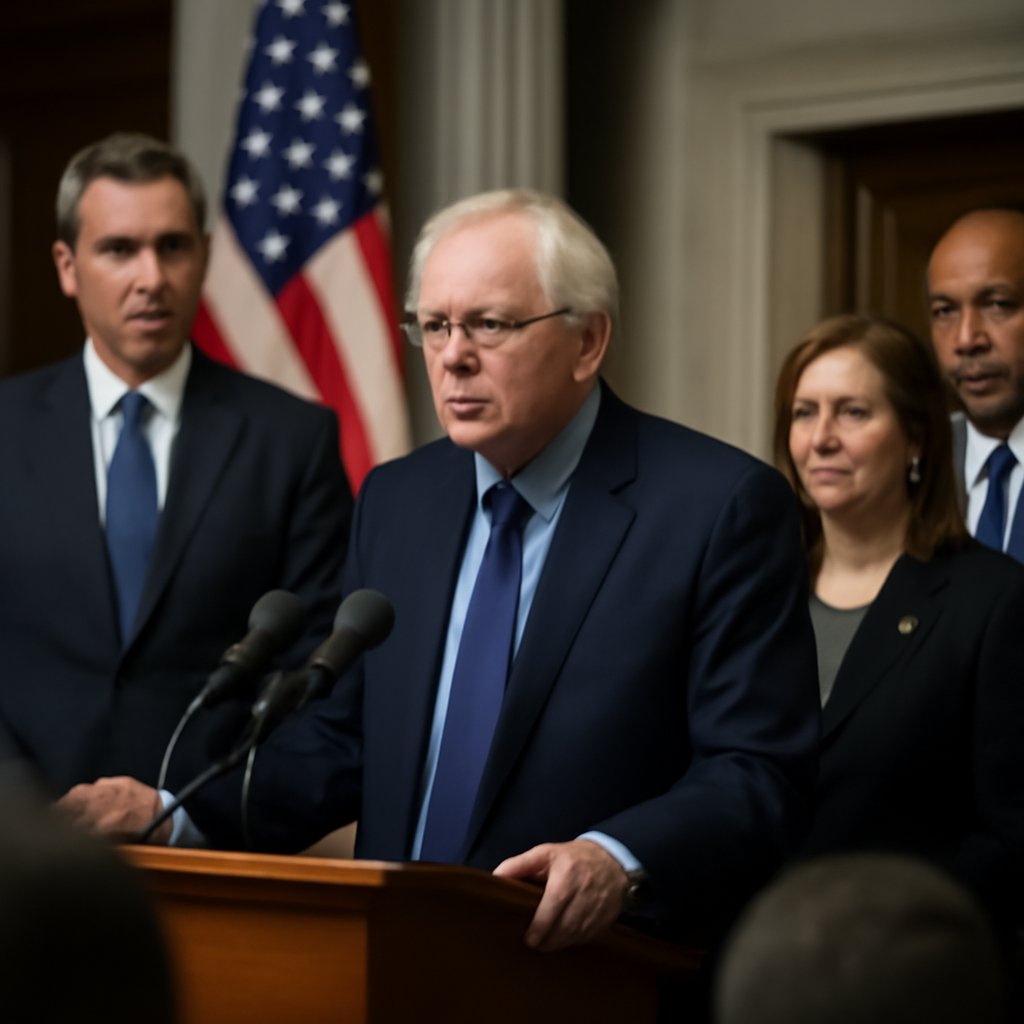
Lobbying expenditures and access patterns continue to shape legislative outcomes in ways that ripple through the electoral landscape, particularly as both parties eye control of key chambers in upcoming cycles. More than 12,000 registered lobbyists operate in Washington, with total annual spending exceeding $4 billion, and the data shows consistent concentration in healthcare and finance, which together account for nearly one-third of tracked outlays. When you model this electorally, these sectors often align with voter blocs in suburban and industrial districts that have swung between parties in recent House and Senate maps.
The polling data here paints a complicated picture of public attitudes toward influence operations. Direct engagement with members and staff—through research, model bill drafting, and committee testimony—remains the core channel, and records from the 117th Congress credit lobbyists with helping draft or amend language in over 80 percent of major bills that became law. Historical patterns from the past three decades indicate that such technical input tends to favor incumbents in both parties, especially those representing districts with heavy industry presence. Campaign contributions via affiliated PACs add another layer, as the revolving door sees roughly 60 percent of former members transition to lobbying roles within two years of departure, a trend stable across Democratic and Republican administrations.
The mechanics of lobbying influence operate through several interconnected channels that merit closer examination. At the committee level, lobbyists serve as subject-matter experts during markup sessions and provide detailed technical analysis of proposed amendments. This expertise often proves invaluable to legislative staff working under time constraints, creating a natural dependency that can shape outcomes. Markup sessions frequently feature language suggested by industry representatives, and while not all such suggestions are adopted, the sheer volume of technical input from lobbyists versus other sources creates an asymmetry in influence. Members of Congress rely on committee staff who are often junior and overworked, making outside expertise—particularly from well-funded organizations—an attractive resource for drafting complex regulatory language.
The financial dimensions of lobbying extend beyond direct campaign contributions. Lobbying firms themselves spend millions on events, dinners, and conferences that serve as informal networking opportunities. These gatherings create relationship capital that translates into access during critical legislative moments. A lawmaker’s decision to support or oppose an amendment may hinge on relationships forged over years of such interactions. Additionally, many lobbying firms provide pro bono legal analysis and economic impact studies that influence how members frame their policy positions in public statements and floor speeches.
White House engagement follows similar lines, with lobbyists targeting rulemaking comments, senior officials, and appointees who have moved between sectors. Coalition efforts and grassroots mobilization generate millions of constituent contacts annually on high-profile issues. When you map these dynamics onto the electoral college and battleground states, the emphasis on trade and regulatory policy often correlates with polling shifts among working-class and energy-dependent demographics that have proven decisive in recent presidential contests. Visitor logs across multiple administrations show repeated meetings with Fortune 500 representatives, underscoring a bipartisan continuity rather than partisan capture.
The revolving door between Congress and the lobbying industry deserves particular scrutiny in understanding influence patterns. When former members transition to lobbying, they bring institutional knowledge, existing relationships, and often personal friendships with current colleagues. A former member who served on the Ways and Means Committee, for instance, brings credibility and access that a career lobbyist without legislative experience cannot match. This creates a premium on hiring former members and staff, driving up compensation packages and incentivizing early departures from public service. The practice is entirely legal and occurs across party lines, yet it creates structural advantages for clients who can afford top-tier representation.
Industry-specific considerations reveal how lobbying influence varies by sector. In healthcare, the complexity of Medicare regulations, insurance coverage rules, and pharmaceutical approval processes creates genuine technical barriers that make industry expertise nearly indispensable to legislative staff. Lobbyists in this space often hold advanced degrees and specialized knowledge that few non-industry sources can match. In financial services, similarly, the technical nature of derivatives regulation, banking capital requirements, and payment system protocols makes industry input particularly influential. Energy policy debates feature lobbyists representing competing interests—renewables versus fossil fuels, for example—allowing some legislative bodies to balance industry pressures against one another, though the incumbent energy interests have historically maintained advantages in access and resources.
Research from watchdog organizations indicates that the relationship between lobbying expenditures and legislative outcomes is strongest in less visible policy debates. High-profile votes on major legislation often occur under intense media scrutiny, which constrains the influence of lobbying input alone. However, in the hundreds of technical amendments, procedural votes, and regulatory implementation decisions that occur annually, lobbying influence operates with minimal public oversight. Amendments to appropriations bills, changes to agency rulemaking authority, and tax code provisions favoring specific industries frequently reflect lobbying priorities that have received little public attention or debate.
Case examples from healthcare and energy debates illustrate how amendments survive negotiations regardless of which party holds the majority. During the Affordable Care Act implementation, numerous provisions were shaped by industry input during the lengthy legislative process. Similarly, energy legislation has consistently featured provisions reflecting both renewable energy advocates and traditional energy industry priorities, though the relative influence of each has shifted with electoral cycles and administration changes. These patterns hold steady through shifts in congressional control, as firms adapt messaging to maintain access. The overall picture remains one of entrenched procedural influence that both parties navigate, with spending and personnel flows crossing ideological lines in ways that continue to define the margins in competitive districts and states.
Understanding lobbying influence is essential for citizens seeking to comprehend how Washington operates beyond partisan rhetoric. While lobbying is a protected form of speech and access to lawmakers is a fundamental part of democratic advocacy, the concentration of resources among wealthy industries and interests creates structural advantages that merit ongoing scrutiny. Campaign finance reform proposals, lobbying transparency initiatives, and restrictions on the revolving door periodically gain traction, yet fundamental change remains difficult due to free speech protections and the fact that legislators themselves benefit from the current system. For voters concerned about lobbying influence, tracking campaign contributions through available databases, monitoring committee hearing participation, and examining voting records against stated policy positions can reveal patterns of industry influence. The interplay between organized money, electoral incentives, and legislative outcomes continues to evolve, but the underlying dynamic of concentrated interests shaping technical policy details remains a persistent feature of the American political system.