
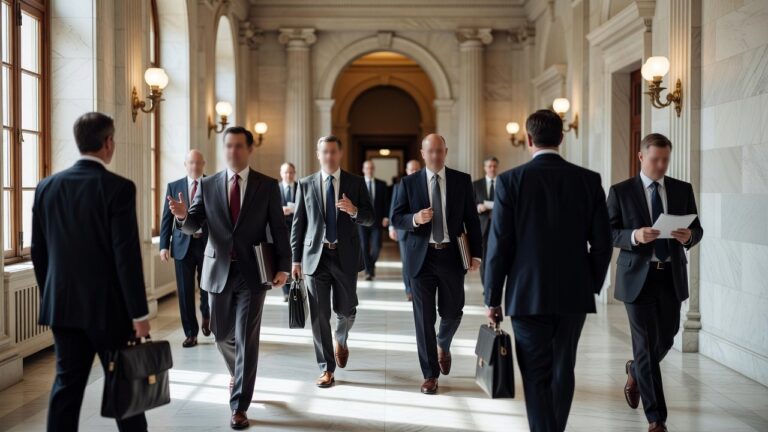
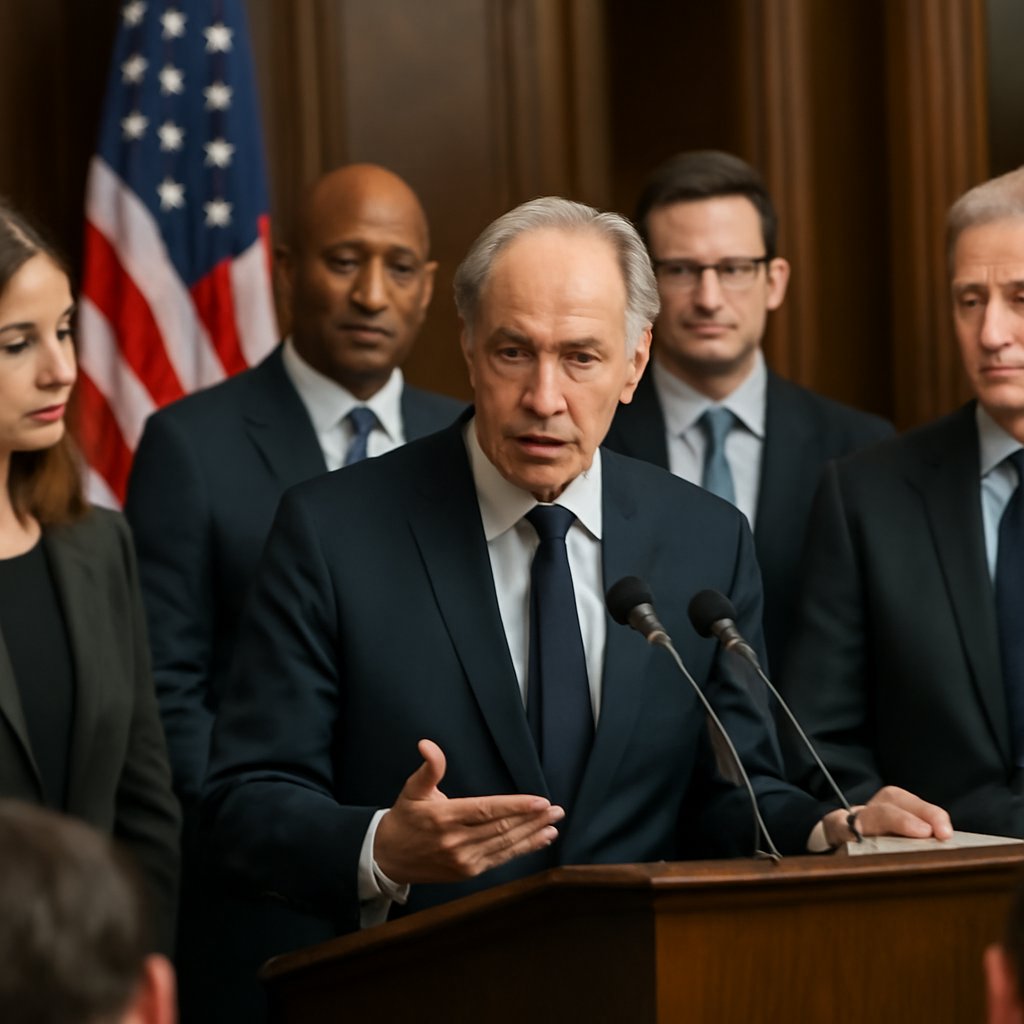
Lobbyists continue to serve as key intermediaries between organized interests and elected officials, shaping legislative priorities from healthcare to tax policy in ways that ripple through future election cycles. With more than 12,000 registered lobbyists and annual federal lobbying expenditures topping $4 billion, their footprint remains substantial across both parties.
Direct outreach on Capitol Hill includes supplying research, drafting bill language, and appearing in committee hearings. Campaign contributions from affiliated PACs add another layer, particularly in competitive House districts where reelection margins often hinge on fundraising totals. When you model this electorally, the pattern shows heavier activity in states with frequent partisan flips, where bipartisan coalitions can blunt or advance provisions before they reach the floor.
Efforts targeting the executive branch follow similar lines, with meetings at the White House, formal rulemaking comments, and coalition-building among corporations and trade groups. These tactics prove especially relevant on issues decided by executive order, which can alter regulatory baselines in key industrial states and thereby influence voter coalitions heading into the next presidential contest. Grassroots campaigns coordinated by firms generate millions of constituent contacts annually, a volume that can shift internal administration debates on topics ranging from trade to environmental rules.
The mechanics of lobbying influence operate across multiple channels simultaneously. Lobbyists frequently provide technical expertise that legislative staff lack the resources to develop independently. In complex policy areas—pharmaceutical pricing, financial regulation, telecommunications standards—industry representatives often possess specialized knowledge that can shape how bills are written and interpreted. This information asymmetry gives organized interests considerable leverage in negotiations, particularly when Congress operates under tight timelines or limited budgets for committee staff research.
Beyond direct legislative contact, lobbyists engage in what practitioners call “outside strategies.” These include media campaigns, social media initiatives, and coordination with think tanks that produce research supporting particular policy positions. A single lobbying firm might simultaneously place op-eds in major publications, fund academic studies, and organize industry roundtables—all designed to frame policy debates in favorable terms before legislation even reaches committee. These efforts accumulate across months or years, gradually shifting the baseline assumptions lawmakers and the public hold about policy problems and solutions.
Case examples from recent cycles illustrate the continuity. Healthcare lobbying during reform debates moderated Medicare provisions through Senate committee channels, while energy interests on both fossil and renewable sides secured tax-credit language that survived conference negotiations. The polling data here paints a complicated picture: demographic breakdowns among suburban and rural voters reveal differing sensitivities to these policy outcomes, echoing historical patterns where control of Congress changed hands after major spending or regulatory fights.
The financial services sector represents perhaps the most sustained lobbying presence in Washington. Banking associations, insurance groups, and investment firms collectively spend roughly $500 million annually on federal lobbying, maintaining permanent offices within walking distance of Capitol Hill. Following major financial crises or regulatory proposals, this spending spikes noticeably. The 2010 Dodd-Frank implementation period saw financial sector lobbying exceed $750 million in a single year, concentrated particularly on provisions affecting derivative markets and proprietary trading restrictions.
Technology companies have significantly expanded their lobbying footprint over the past decade. What began as modest expenditures in the early 2000s has grown to over $100 million annually as firms confront regulation on data privacy, content moderation, antitrust, and cybersecurity. Unlike traditional industries with established Washington relationships, tech companies initially relied on indirect influence through venture capital associations and business groups. More recently, major platforms have hired experienced government affairs teams and now regularly testify before Congress on issues ranging from Section 230 liability protections to child safety provisions.
The pharmaceutical and healthcare manufacturing industries remain among the heaviest spenders on federal lobbying. Industry groups invest substantial resources in shaping Medicare negotiation rules, patent protections, and drug approval timelines. These expenditures reflect the sector’s recognition that policy decisions directly affect revenue streams—a single change to Medicare reimbursement formulas or generic drug pathways can cost or save companies billions. This economic reality drives consistent, sophisticated engagement with both legislative and executive branch decision-makers.
The revolving door statistic—roughly 60 percent of former members entering lobbying within two years—highlights adaptation across administrations. Healthcare and finance sectors account for nearly one-third of tracked spending, and visitor logs from multiple White Houses document regular access for Fortune 500 representatives. During the 117th Congress, lobbyists helped shape language in over 80 percent of major enacted bills. These figures hold steady regardless of which party holds the majority, underscoring how influence structures persist even as electoral maps redraw every two years.
Understanding why the revolving door persists reveals important truths about lobbying influence. Former members and senior staff possess institutional knowledge, personal relationships with current colleagues, and understanding of legislative processes that younger professionals cannot quickly acquire. They can navigate both the formal committees and informal networks where real decisions get made. Additionally, their presence signals credibility and access to potential clients. A lobbying firm employing a former Senate committee chair attracts clients precisely because of that connection and perceived ability to influence outcomes.
The disclosure requirements for lobbying activity have evolved considerably since the 1995 Lobbying Disclosure Act established baseline transparency. Quarterly reports filed with Congress document spending by client and specific issues lobbied. However, critics note significant gaps in these requirements. Grassroots campaign spending often escapes disclosure requirements, as do activities that fall below the statutory threshold. Additionally, the definition of “lobbying” excludes substantial amounts of influence activity, including media campaigns, research funding, and coalition coordination that doesn’t directly contact federal officials.
Industry coalitions represent another significant but less visible form of lobbying influence. Trade associations—groups representing entire industries—often serve as vehicles for collective lobbying action. The Chamber of Commerce, National Association of Manufacturers, and hundreds of smaller industry groups collectively employ thousands of lobbyists and represent millions in spending. These coalitions allow individual companies to advance shared interests while maintaining distance from potentially controversial positions. When companies disagree on specific provisions, they may support the same bill for different reasons, or one company may lobby while others remain publicly neutral.
Geographic distribution of lobbying activity reflects political geography. Firms maintain headquarters in Washington, D.C. but coordinate campaigns in specific districts and states where key committee members or swing voters reside. Representatives from companies operating in agricultural states will visit members from those states, providing local perspective on how federal policies affect constituents. This targeted approach recognizes that individual members respond most readily to concerns from their home districts and major employers.
The relationship between campaign contributions and lobbying creates a comprehensive influence architecture. A firm might simultaneously contribute to a member’s reelection campaign through a connected PAC, employ a former aide as a lobbyist, and provide research supporting the member’s preferred policy position. None of these activities independently constitutes corruption, yet the cumulative effect creates powerful incentives for access and responsiveness. Members who receive consistent support from industry-connected sources develop natural inclinations to view those industries favorably.