

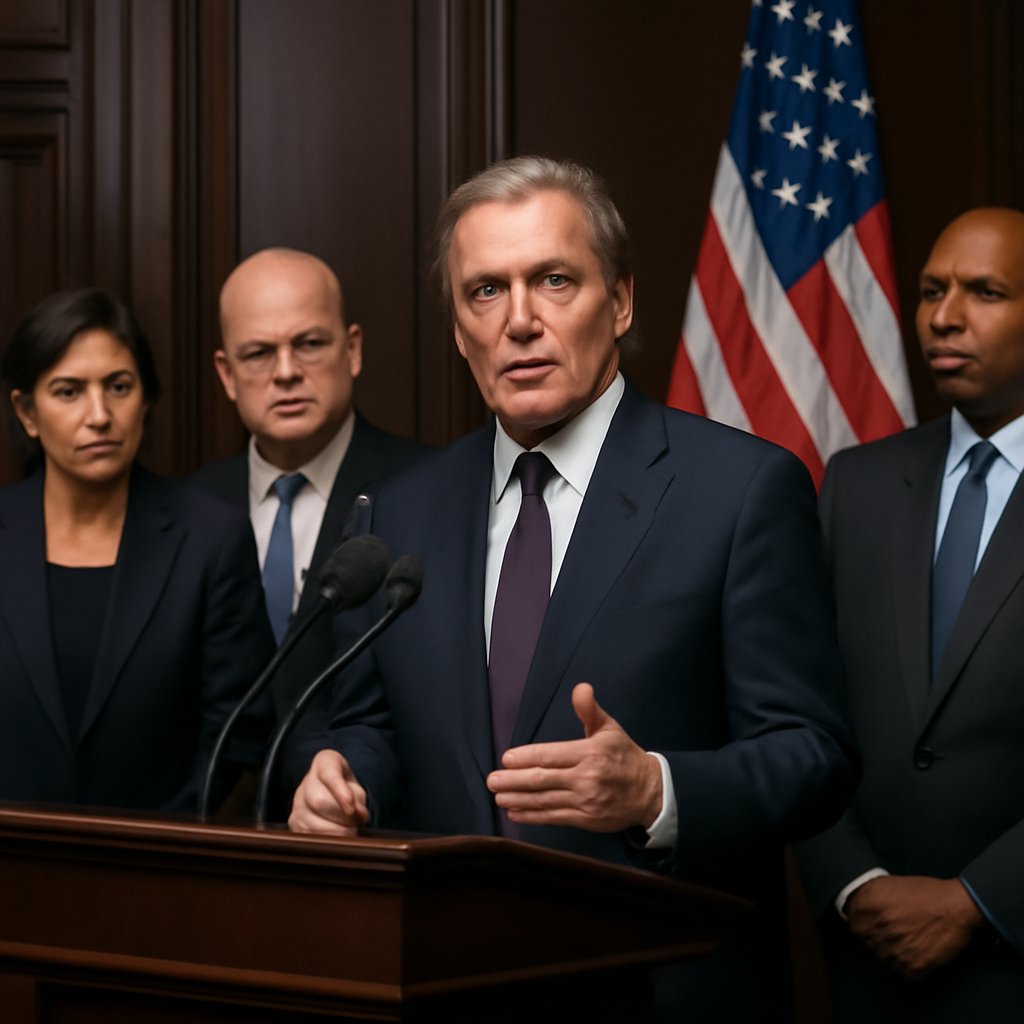
As a Latina journalist covering Washington accountability, the House Rules Committee isn’t just a procedural checkpoint—it’s the quiet enforcer that decides which bills with big-money fingerprints ever see daylight. The financial disclosures tell a story the press releases don’t: members of this panel routinely haul in contributions from industries whose legislation they greenlight or bury.
The panel’s lineage stretches back to 1789 as a select committee before becoming a standing body in 1849. Its real muscle grew during the Gilded Age power struggles, when Speakers Thomas Reed and Joseph Cannon weaponized it to lock down the floor. Later flashpoints—the 1910 revolt against Cannon and the post-1970s transparency tweaks—show how the committee bends but rarely breaks under pressure from both parties.
Its core job remains issuing special rules that dictate open, closed, or structured debate. That authority turns the panel into the ultimate gatekeeper, determining whether amendments from the minority or even rank-and-file majority members can touch priority measures. In practice, this means lobbyists and leadership staff spend far more time in Rules than in authorizing committees, because the rule itself often becomes the real legislative text.
Committee makeup reinforces the tilt: nine majority members to four from the minority. Campaign finance records show these seats frequently go to members whose donor lists align tightly with the Speaker’s agenda on appropriations, tax policy, and defense spending. Closed rules, which shut down most amendments, have climbed from roughly 20 percent of major bills in the 1990s to more than half in recent sessions, according to congressional procedure trackers.
Over 90 percent of significant legislation now reaches the floor only after a Rules Committee stamp. The panel handles hundreds of rules each Congress, shaping everything from COVID relief packages to infrastructure packages. When divided government arrives, those same rules become messaging tools—timed to highlight differences ahead of elections rather than to advance compromise.
Coordination with Senate leaders and the White House happens routinely, yet the public rarely sees the donor calls that precede them. Leadership loyalty remains the ticket to a Rules seat, ensuring the committee functions less as an independent referee and more as an extension of the majority’s fundraising and policy priorities. Tracking those financial flows alongside the procedural votes reveals how concentrated power in thirteen members continues to steer the broader legislative calendar.
Understanding the three main types of special rules clarifies how this committee shapes legislative outcomes. Open rules permit any germane amendment to be offered from the floor, theoretically allowing debate across the full spectrum of ideas. Modified open rules—sometimes called structured rules—allow specific amendments pre-approved by the Rules Committee to proceed, creating a middle ground between rigid control and free-for-all debate. Closed rules, the most restrictive, allow only amendments proposed by the committee reporting the bill and leadership-designated ones. The shift toward closed rules accelerated noticeably after the 2010 midterms, reflecting broader trends toward centralized control of the legislative agenda regardless of which party holds the majority.
The committee’s role extends beyond simple procedural votes. Rules can fundamentally alter substantive policy by controlling which amendments reach a vote. A rule might explicitly carve out protections for certain industries while appearing neutral on its face. For example, a rule governing a tax bill might allow amendments on standard deductions but prohibit amendments targeting specific corporate tax provisions. Minority party members, even when they hold committee seats, find themselves routinely outvoted on rule decisions that significantly impact their ability to offer alternatives or hold the majority accountable through amendment votes.
Historical precedent demonstrates the committee’s capacity to either facilitate or obstruct legislative progress. During the New Deal era, the Rules Committee under Democratic control generally expedited Roosevelt administration priorities, though with occasional resistance from Southern Democrats protecting regional interests. The post-World War II period saw the committee become a source of friction between conservative Southern Democrats and liberal Northern Democrats, with Rules votes sometimes signaling deeper party fractures. The 1970 Legislative Reorganization Act introduced reforms requiring recorded votes in committee and expanded minority party participation, yet these transparency measures have not fundamentally altered the majority’s procedural advantage.
Current procedural dynamics reveal the committee’s influence over the legislative calendar itself. Leadership designates which bills receive rules first, and the timing of rules can strategically advantage or disadvantage particular legislation. A bill receiving a rule early in the session enjoys more floor time and media attention, while one relegated to the final weeks faces pressure to pass quickly or die in the rush. This scheduling power, while technically procedural, carries enormous substantive consequences. Contentious bills that might generate amendments and debate can be shunted aside in favor of less controversial measures when leadership wants to preserve floor time for other priorities.
The relationship between Rules Committee membership and committee assignments elsewhere in the House illustrates the interconnected nature of congressional power. A Representative serving on Rules typically maintains their original committee assignment—whether it’s Ways and Means, Energy and Commerce, or Defense-focused committees. This dual role creates opportunities for cross-committee coordination that can shape legislative outcomes across multiple policy areas. A Rules Committee member with expertise in healthcare, for instance, can influence both the substance of health legislation through their primary committee and its procedural path through Rules votes.
Recent Congresses have highlighted partisan tensions over Rules Committee decisions. During periods of narrow majorities, Rules votes have grown increasingly contentious, with minority party members formally objecting to closed rules and publicizing their dissent. These objections, while procedurally futile given the numbers, serve to create a record of obstruction that can factor into subsequent election messaging. The committee has become a venue where both parties theater their procedural complaints for C-SPAN cameras and social media audiences.
The technical aspects of rule-writing deserve attention as well. House Rules employ specialized staff who literally draft the text governing how each bill proceeds to debate and amendment. These staff positions, filled at leadership’s discretion, wield considerable influence over the precise wording of rules that control debate time, amendment procedures, and voting mechanisms. The language of a rule—seemingly arcane to outsiders—can determine whether a decade-old dispute receives another floor vote or whether a new issue receives initial consideration.