
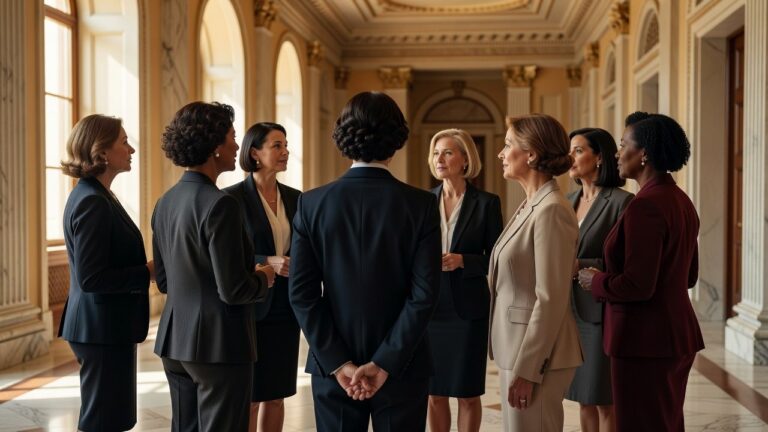
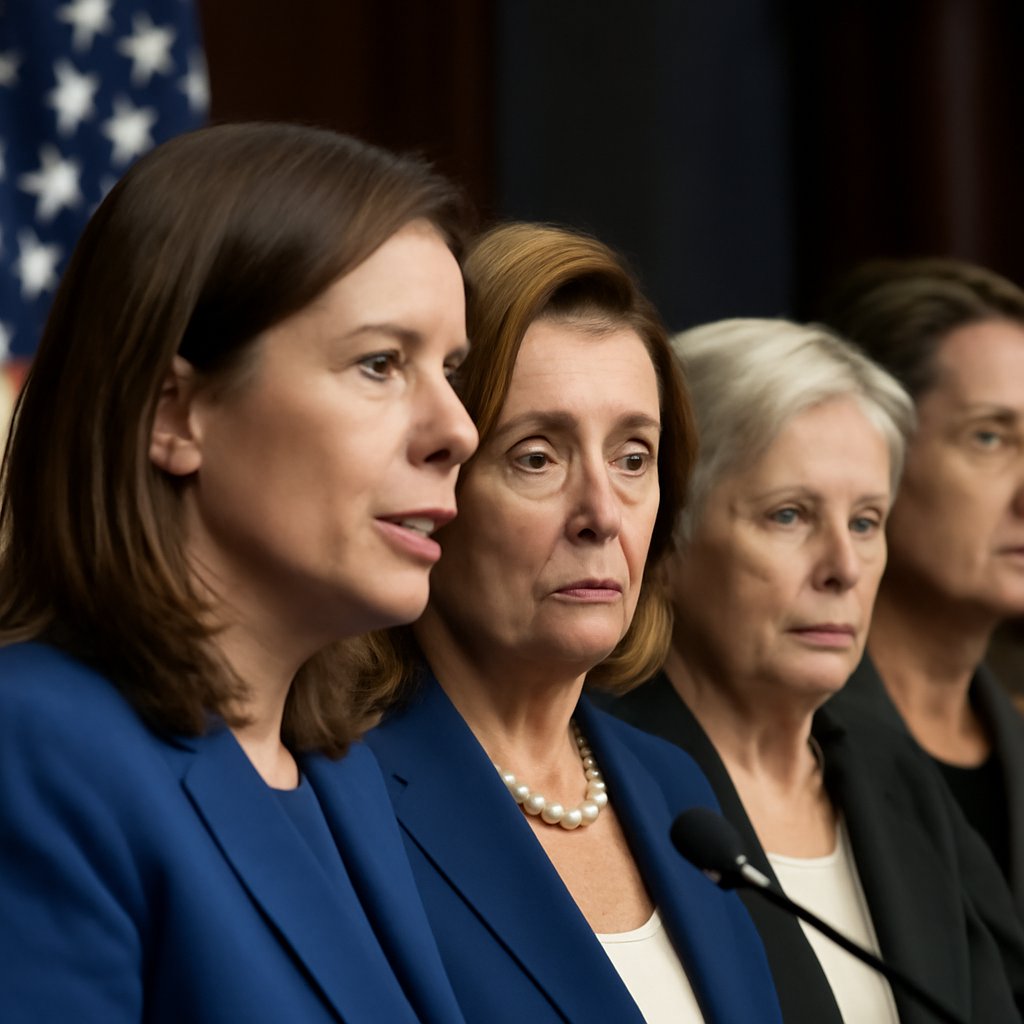
Looking at congressional representation over the past century through the lens of election cycles and voter coalitions shows a gradual expansion of female participation, driven by shifts in turnout patterns and candidate recruitment across both parties. From the first woman elected to the House in 1916 onward, the data track how these candidacies aligned with evolving demographic support in key states and districts.
Jeannette Rankin’s victory in Montana in 1916 occurred amid early suffrage expansions in Western states, where male voter rolls had already incorporated women in prior local contests. Her subsequent anti-war vote reflected the limited but distinct coalition she assembled in a rural, progressive-leaning electorate. In the decades that followed, figures such as Mary Norton in New Jersey and Margaret Chase Smith in Maine secured seats through a combination of widow’s-succession paths and independent appeals that cut across traditional party lines. Smith’s 1940 Senate win, after House service, illustrated how cross-aisle name recognition could overcome the small sample sizes typical of early female candidacies.
The early women who entered Congress often faced unique structural barriers that shaped their legislative priorities and committee assignments. Many were steered toward education, welfare, and social welfare committees rather than high-profile positions on appropriations or national security panels. This pattern persisted well into the mid-20th century, creating a feedback loop where women’s legislative influence remained concentrated in domains traditionally coded as “feminine,” even as their numbers slowly increased. Alice Paul’s advocacy for the Equal Rights Amendment and the broader women’s rights movement provided ideological scaffolding that later female legislators could reference when challenging these informal gatekeeping practices.
When you model this electorally, the 1960s and 1970s mark a clear inflection. Shirley Chisholm’s 1968 election in New York’s urban district coincided with rising Black voter mobilization in Northern cities, while Bella Abzug’s concurrent campaigns drew on newly energized suburban and working-class women. Demographic breakdowns from that era’s exit polling—though rudimentary by today’s standards—indicate female turnout edging upward in open-seat races, particularly in the Northeast and West Coast. Chisholm’s subsequent presidential campaign in 1972, though unsuccessful, elevated the visibility of women’s candidacies and demonstrated to voters and party operatives alike that women could mount credible campaigns for high office.
The 1970s also witnessed the emergence of female legislators who prioritized economic justice issues. Representatives like Barbara Jordan brought rhetorical power and moral authority to debates on civil rights and constitutional governance. Jordan’s role on the House Judiciary Committee during the Nixon impeachment inquiry showcased female legislators’ capacity to command national attention and influence major constitutional questions. Her famous opening statement during those proceedings became a touchstone for understanding how women were reshaping congressional discourse.
The polling data here paints a complicated picture of the 1980s and 1990s. Geraldine Ferraro’s vice-presidential nomination leveraged her House record on criminal-justice issues, yet national surveys showed persistent gender gaps in voter comfort with women on the ticket, varying sharply by region and education level. Her campaign highlighted both the progress women had made and the persistent skepticism many voters held about female leadership in executive roles. Despite these headwinds, Ferraro’s nomination itself signaled that female politicians could aspire to the highest levels of elected office.
Nancy Pelosi’s climb to Speaker in 2007 followed sustained Democratic gains in California districts where female candidates had posted consistent double-digit margins in prior cycles. As Speaker, Pelosi navigated some of the most contentious legislative battles in modern history, from the 2008 financial crisis response to healthcare reform. Her long tenure in leadership demonstrated that women could master the formal and informal power structures that govern congressional operations. Senate examples such as Barbara Mikulski and Dianne Feinstein similarly benefited from long-term incumbency advantages that allowed them to build cross-demographic coalitions on defense and intelligence oversight. Mikulski, in particular, became known for her fierce advocacy for her Maryland constituents and her ability to secure significant federal resources for her state through appropriations work.
The increased presence of women in Congress also transformed how legislative bodies addressed previously marginalized issues. The Violence Against Women Act, first passed in 1994, emerged directly from the advocacy and legislative work of female representatives and senators who prioritized domestic violence as a federal policy concern. Similarly, equal pay legislation gained momentum as more women entered Congress and brought their own lived experiences with wage discrimination into policy discussions. These legislative successes reflected not just numerical increases but shifts in what Congress deemed worthy of attention and resources.
Contemporary tallies show more than 400 women have served since 1917, with roughly 28 percent of current seats held by women and accelerated gains among women of color in leadership roles. Election data from 2018 and 2020 cycles reveal female candidates winning open seats at higher rates than in prior decades, especially in suburban districts that shifted Democratic. This trend partly reflects changing voter preferences in those districts, where college-educated suburban women became increasingly influential in electoral outcomes. Bipartisan examples like Susan Collins underscore how moderate positioning in swing states has sustained influence on appropriations and healthcare votes across multiple redistricting cycles. Collins’ pivotal votes on Supreme Court nominees and healthcare legislation illustrate how individual female senators can exercise outsized influence in closely divided chambers.
The composition of female congressional delegations has also diversified substantially in recent decades. While early female legislators were predominantly white and often from privileged backgrounds, contemporary women in Congress include diverse representations of racial, ethnic, and socioeconomic backgrounds. Legislators like Alexandria Ocasio-Cortez, Ilhan Omar, and Rashida Tlaib brought fresh perspectives and constituencies that had been underrepresented in prior Congresses. This diversification has enriched legislative debates and expanded the range of issues receiving serious attention from female lawmakers.
Key legislation such as Equal Pay Act updates and Violence Against Women Act reauthorizations emerged from committee work that reflected these accumulating seniority patterns. Women committee chairs have also begun to reshape priorities within their jurisdictions, bringing attention to issues like sexual harassment, workplace discrimination, and reproductive rights with renewed urgency. The overall trajectory suggests incremental but durable changes in the electoral map, with future cycles likely to hinge on turnout differentials among women across age, race, and education cohorts. As women’s participation in Congress has grown, so too has their influence over the legislative agenda and the outcomes of closely contested votes on major policy questions.
Sources
- Reuters Politics – Breaking news and in-depth reporting on U.S. political developments
- AP News U.S. Politics – Associated Press coverage of American government and elections
- NPR Politics – National Public Radio’s comprehensive political news and analysis
- Politico – Daily coverage of politics, policy, and influential figures in government
- U.S. House of Representatives History – Women in Congress official records