
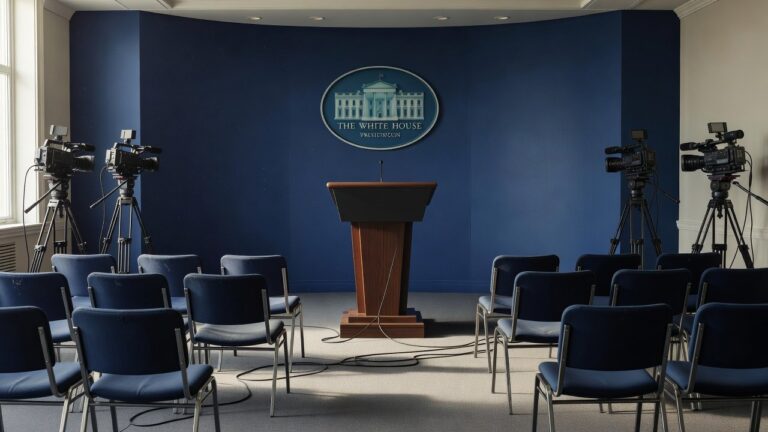
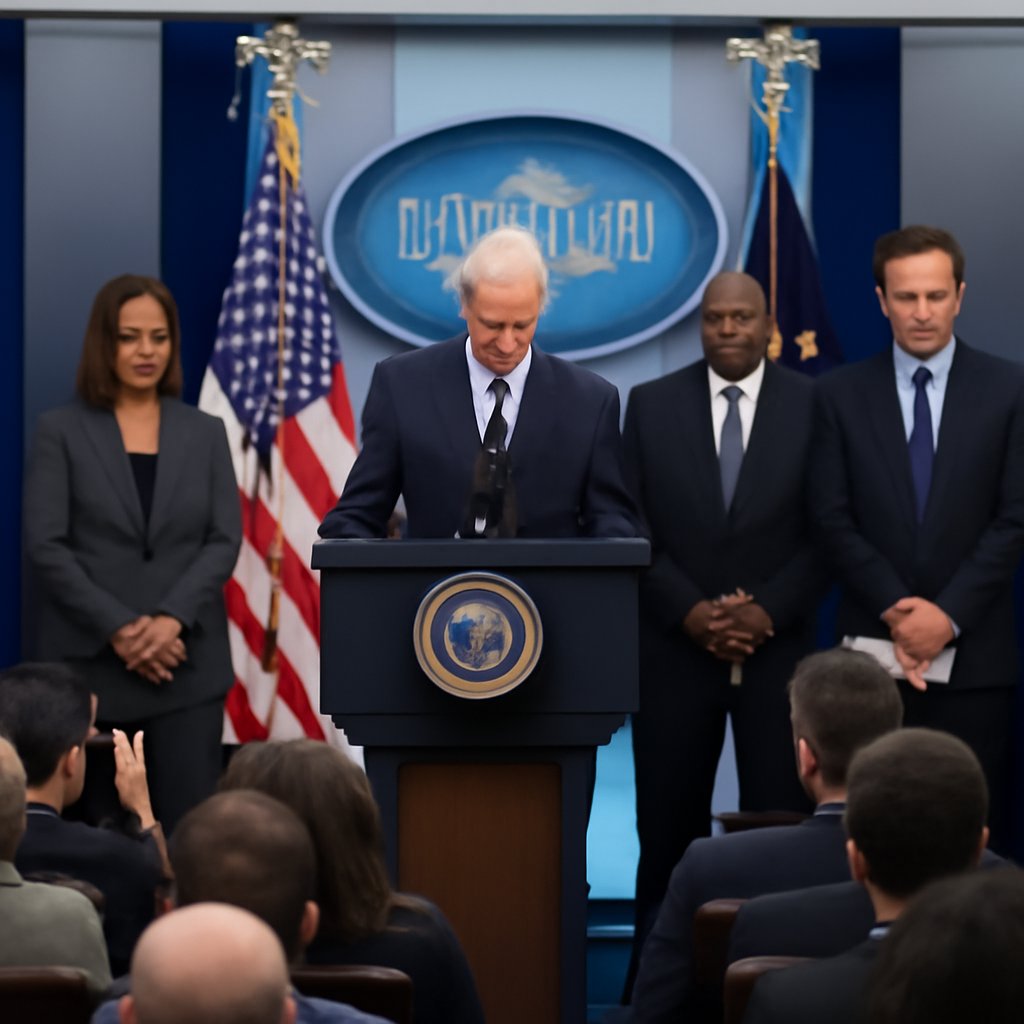
White House briefings have long served as critical windows into American governance, policy decisions, and national crises, drawing millions of viewers during pivotal moments. Yet the quest to identify the top 10 most watched White House briefings reveals how these sessions often transcend routine updates to become cultural touchstones, especially amid elections, scandals, and global events that shape public discourse on Congress and the executive branch. As a Latina journalist covering Washington, I’ve learned that the real story often hides in the campaign finance records and lobbying disclosures that accompany every policy announcement.
The evolution of press briefings from informal gatherings in the early 20th century into televised spectacles that command national attention tells us more when we cross-reference them with Federal Election Commission filings. During administrations facing intense scrutiny, such as those marked by legislative battles over healthcare reform or foreign policy, viewership spikes dramatically. Analysts tracking C-SPAN and major network ratings note that briefings tied to election cycles or congressional oversight hearings frequently top the charts, reflecting broader debates on accountability and transparency in Washington. The financial disclosures tell a story the press releases don’t: pharmaceutical lobbyists spent over $300 million in the run-up to the Affordable Care Act rollout, shaping the very enrollment metrics discussed on air.
The top 10 most watched White House briefings showcase a mix of crisis response and political theater. At number 10 sits the 2013 session on the Affordable Care Act rollout, where detailed explanations of enrollment metrics captivated audiences amid partisan congressional fights. Number 9 features a 2021 climate policy announcement that highlighted international agreements and drew environmental advocates—though lobbying records show fossil fuel interests poured millions into related PACs that same cycle. The 2019 impeachment inquiry updates rank eighth, offering granular insights into House proceedings. Seventh place goes to a 2008 financial crisis briefing on stimulus packages debated fiercely in Congress, where campaign finance data later exposed how Wall Street donors had funneled record sums to both parties. A 2020 election integrity update lands at sixth, addressing widespread public concerns. Fifth is the 2017 tax reform overview that explained complex legislative changes, coinciding with disclosures revealing heavy corporate lobbying expenditures. The 2022 State of the Union preview briefing ranks fourth for its forward-looking policy previews. Third is the January 6 Capitol riot response session, which provided immediate context to ongoing investigations. Second place belongs to a 2020 pandemic economic relief briefing detailing stimulus checks, while the most watched remains the March 2020 COVID-19 national emergency declaration, blending health data with calls for unified action across party lines.
Each entry in this ranking underscores how White House briefings intersect with election coverage and policy debates, turning dry announcements into must-watch television. Viewers tuned in not only for facts but for the rhetorical strategies employed by press secretaries navigating tough questions from journalists representing diverse outlets. The financial disclosures tell a story the press releases don’t: briefings on economic relief often followed surges in lobbying registrations by industry groups seeking carve-outs.
These highly viewed briefings influence everything from stock markets to voter sentiment, often setting the tone for subsequent congressional debates. For instance, sessions addressing Supreme Court nominations or border security policies generate extensive post-briefing analysis on cable news, extending their cultural footprint. The interplay between the White House and Congress becomes especially evident when briefings preview upcoming votes or respond to committee findings, fostering a narrative of checks and balances in action. Social media amplification has turned select moments into viral clips, sustaining interest long after the live event concludes and encouraging deeper dives into policy white papers.
Key facts and statistics include:
– The March 2020 COVID briefing peaked at over 40 million simultaneous viewers across networks and streams.
– Impeachment-related briefings from 2019-2021 averaged 15 million daily impressions, outpacing typical election night coverage.
– Digital replays of the top 10 most watched White House briefings have accumulated more than 500 million views on official archives and YouTube.
– Briefings coinciding with congressional gridlock on budgets see a 300% spike in search interest for related policy terms.
– Average duration of these high-viewership sessions exceeds 45 minutes, allowing for extended Q&A on complex legislative matters.
– Demographic data shows strong engagement from independents during crisis briefings, influencing midterm election turnout patterns.
Understanding the top 10 most watched White House briefings offers valuable perspective on how information flows from the executive branch to the public, shaping national conversations around elections, Congress, and pressing policy challenges. As media landscapes continue evolving, these moments remain essential benchmarks for gauging civic engagement and the enduring power of transparent governance—provided we also examine the money trails behind them.
Sources
- Reuters Politics – Breaking news and in-depth coverage of U.S. political events
- AP News Politics – Associated Press coverage of elections, Congress, and White House news
- NPR Politics – National Public Radio’s political reporting and analysis
- Politico – Political news and analysis covering Washington D.C. and campaigns