
The National Security Council has long served as the White House’s central hub for aligning foreign policy, intelligence, and defense priorities, with its influence frequently showing up in national polling on presidential approval and voter priorities ahead of key elections. Established under the National Security Act of 1947, the body integrates advice from across the executive branch in ways that have repeatedly shaped campaign narratives on everything from Cold War containment to modern cyber threats.
When you model this electorally, the NSC’s evolution tracks closely with shifts in voter sentiment captured in historical exit polls and Gallup surveys from the Truman era onward. During the early Cold War years under Truman and Eisenhower, the council’s structured planning sessions helped frame containment strategies that appeared in contemporaneous Roper and NORC polling on foreign policy as a top voter concern, particularly among demographics in the industrial Midwest and Northeast where defense spending resonated in congressional races.
Post-9/11 adjustments to the NSC’s counterterrorism role further illustrate how institutional changes can register in electoral data. Reforms that recalibrated the National Security Advisor’s authority relative to cabinet secretaries often coincided with polling cycles showing divided public opinion on military engagements, with breakdowns from Pew and ANES surveys revealing stronger support among older voters and independents in Sun Belt states.
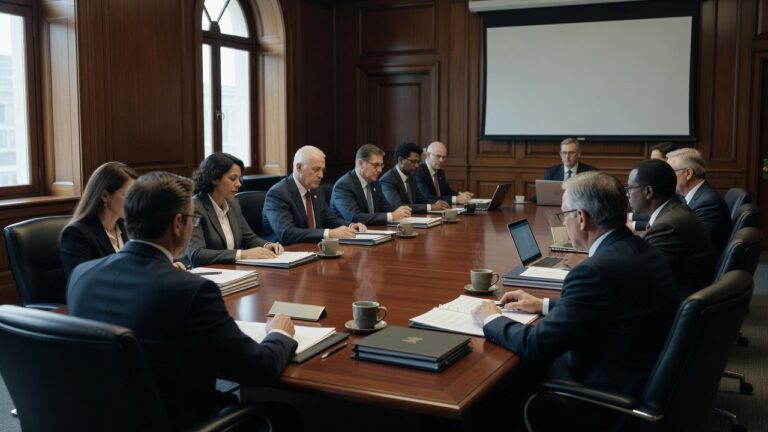
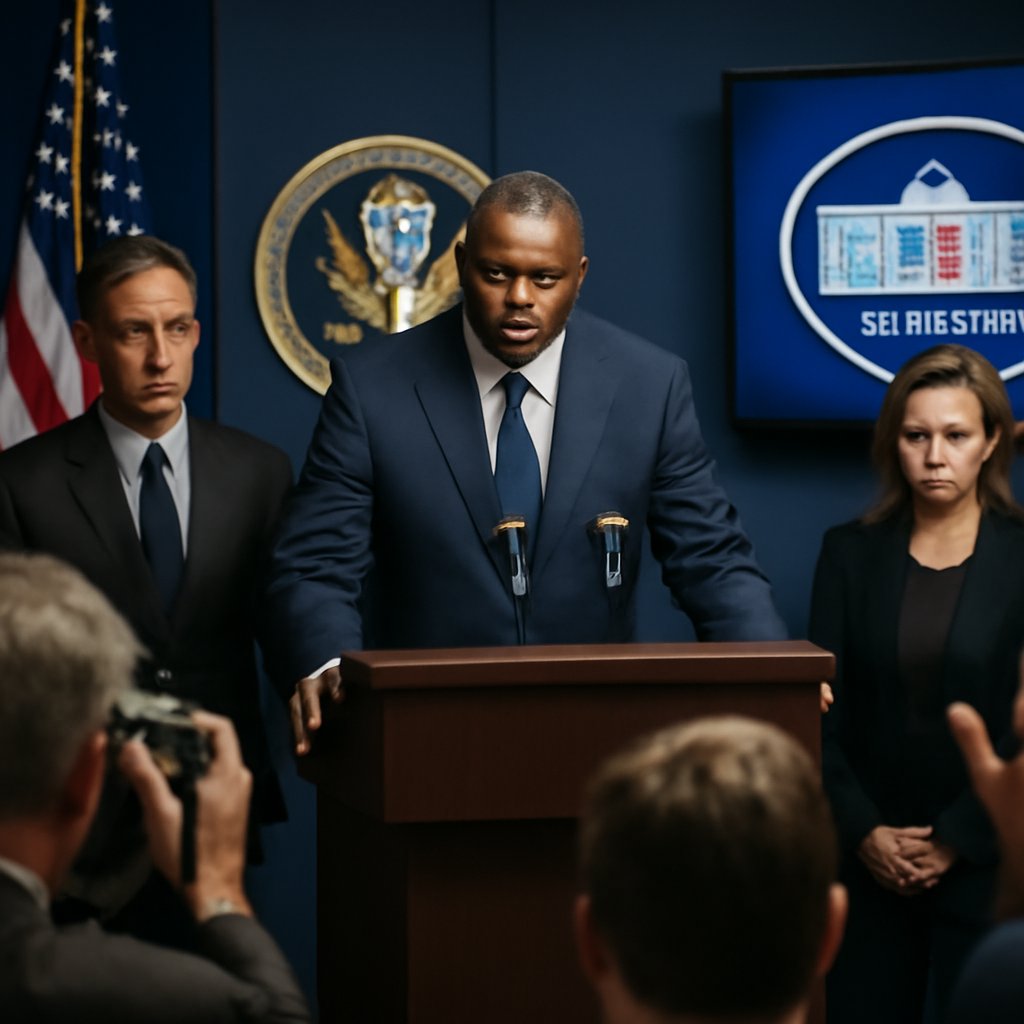
The statutory core of the NSC—President, Vice President, Secretary of State, and Secretary of Defense—plus input from the Director of National Intelligence and Joint Chiefs Chairman creates a framework that directly feeds into White House messaging tested in battleground-state surveys. The National Security Advisor coordinates this apparatus and often becomes a visible figure in media coverage that influences favorability ratings, much as seen in historical patterns where advisors’ profiles rose during election seasons marked by foreign policy volatility.
Interagency processes through principals and deputies committees help forge unified positions on sanctions or deployments, yet these same mechanisms surface in congressional oversight debates that pollsters track via generic ballot questions and issue-priority rankings. Demographic splits in those surveys, such as stronger emphasis on alliances among college-educated suburban voters, have historically aligned with NSC-driven strategies during divided-government periods.
The NSC’s organizational structure extends beyond the statutory members to include a wide range of executive branch representatives who participate in various committees and working groups. The National Security Advisor, who holds the rank of Assistant to the President, typically oversees a staff housed in the Eisenhower Executive Office Building adjacent to the White House. This staff can include regional specialists, functional experts in counterterrorism and proliferation, and liaison officers from agencies including the Department of Homeland Security, the Treasury Department, and the Commerce Department. The size and composition of this staff has shifted with each administration based on perceived threats and presidential priorities, reflecting broader debates about the proper role of centralized coordination versus cabinet-level autonomy in foreign policy execution.
One of the NSC’s critical functions involves coordinating the President’s Daily Brief, an intelligence summary prepared by the Director of National Intelligence and the intelligence community. This brief, delivered each morning to the President and key officials, synthesizes classified information from the CIA, Defense Intelligence Agency, National Security Agency, and other collectors. The NSC helps determine which intelligence questions receive priority attention and ensures that gaps in understanding emerging threats receive appropriate resources. This function has proven especially important during periods of technological change, such as the transition from traditional espionage concerns to cyber warfare and election interference operations.
The NSC also plays a central role in crisis management and contingency planning. When international incidents occur—whether military conflicts, natural disasters affecting US interests, or intelligence breaches—the NSC coordinates the interagency response. The President may convene the Principals Committee, comprising cabinet-level officials, or the Deputies Committee for senior-level coordination below the cabinet rank. These meetings follow established protocols for decision-making and documentation, ensuring that options reach the President with clear agency positions and trade-offs outlined. The rhythm of these meetings, their frequency during crises, and the visibility of particular advisors in media coverage have historically correlated with public concern about foreign policy and national security.
Historical examples underscore the NSC’s operational importance. During the Cuban Missile Crisis, President Kennedy’s Executive Committee (ExComm) operated outside formal NSC structures but demonstrated how presidents need rapid, coordinated interagency advice during existential threats. Subsequent administrations formalized crisis response procedures to ensure similar coordination could occur reliably. Similarly, the NSC’s role in monitoring and responding to intelligence on weapons of mass destruction has been central to debates over military intervention, with the quality of intelligence assessment and interagency consensus directly affecting public and congressional support for military operations.
The National Security Advisor’s position has evolved into one of significant power and visibility. Unlike cabinet secretaries who face Senate confirmation, the Advisor requires no Senate approval and answers directly to the President. This arrangement allows for confidential counsel and flexibility in policy adjustment but also means the Advisor operates with less formal accountability than confirmed officials. Advisors such as Henry Kissinger, Zbigniew Brzezinski, Condoleezza Rice, and others have become public figures whose personalities and policy views shape how administrations are perceived. Their relationships with cabinet secretaries, particularly the Secretary of State and Secretary of Defense, significantly influence whether the NSC functions as a coordinator or as a rival power center to the State Department.
In crisis response and long-term planning, the NSC’s review of intelligence and options intersects with appropriations fights that echo in election-year polling on defense budgets. Presidential transitions test staff continuity, and incoming teams frequently adjust priorities to match campaign pledges, a pattern visible in post-election analyses from sources like the American National Election Studies that break down how foreign policy continuity or shifts affected turnout among key groups in Rust Belt and Sun Belt precincts.
The polling data here paints a complicated picture of accountability, as Congress conducts hearings and funding reviews that can amplify or dampen White House initiatives in public opinion metrics. The Senate Foreign Relations Committee and the House Foreign Affairs Committee periodically examine NSC activities, though the council’s internal deliberations remain largely protected by executive privilege. This creates tension between presidential prerogative and legislative oversight, with voters divided on whether Congress should have greater visibility into national security decision-making processes. Surveys on this question reveal partisan splits, with support for congressional oversight varying based on which party controls the White House.
The NSC’s approach to regional strategy has also been a focus of public debate. Whether the council emphasizes a “pivot to Asia,” Europe, the Middle East, or the Western Hemisphere shapes how resources are allocated and which international relationships receive priority. These strategic choices connect to domestic political coalitions—decisions about Taiwan, Ukraine, or Middle East policy resonate differently across demographic groups and geographic regions, influencing electoral dynamics in ways that NSC priorities help determine.
Established on July 26, 1947, the NSC has grown from a small staff to several hundred personnel, supporting every president since on decisions ranging from the Korean War to contemporary Indo-Pacific approaches, with weekly or crisis-driven meetings underscoring its operational rhythm amid electoral pressures. Understanding the NSC’s role—balancing centralized coordination with cabinet autonomy, maintaining classified deliberations while remaining accountable to elected representatives, and translating strategic decisions into public policy—illuminates how modern presidents navigate the intersection of governance and politics in an increasingly complex international environment.