
“`html
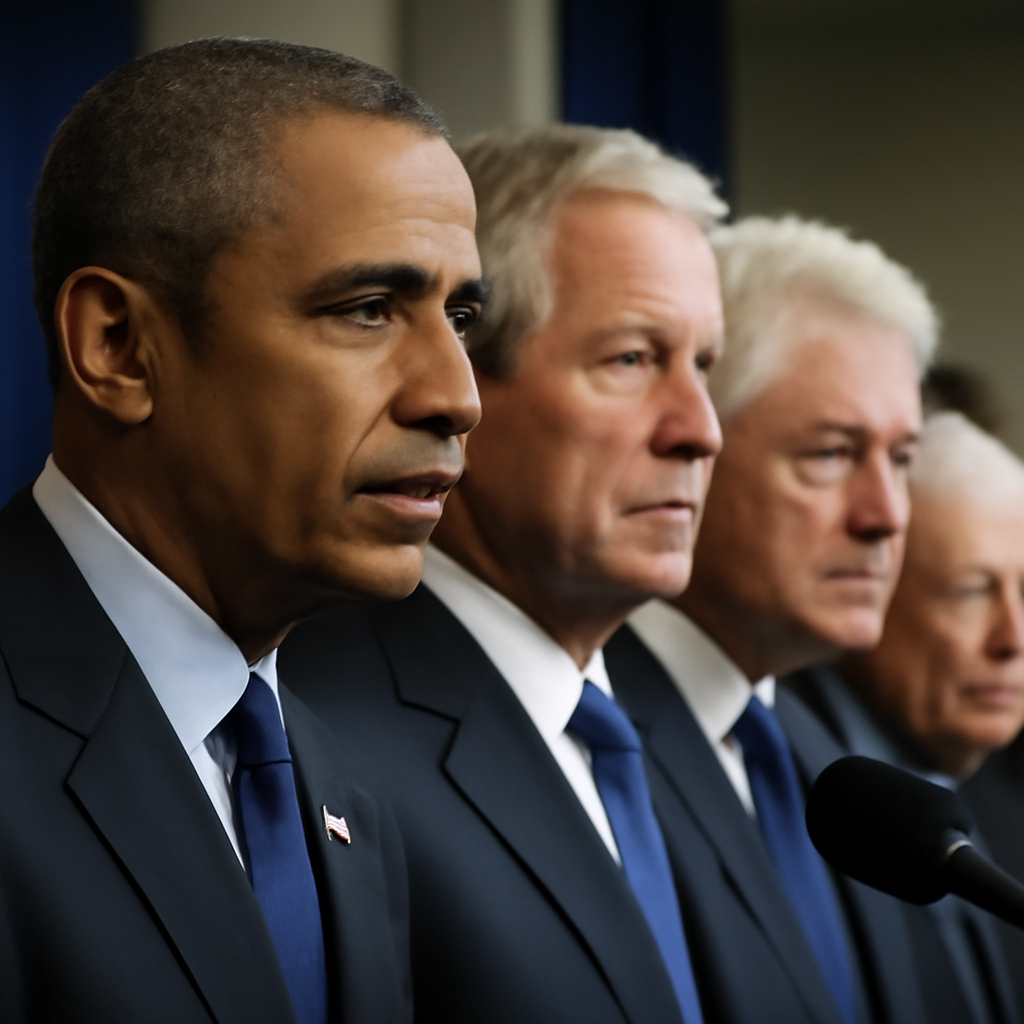
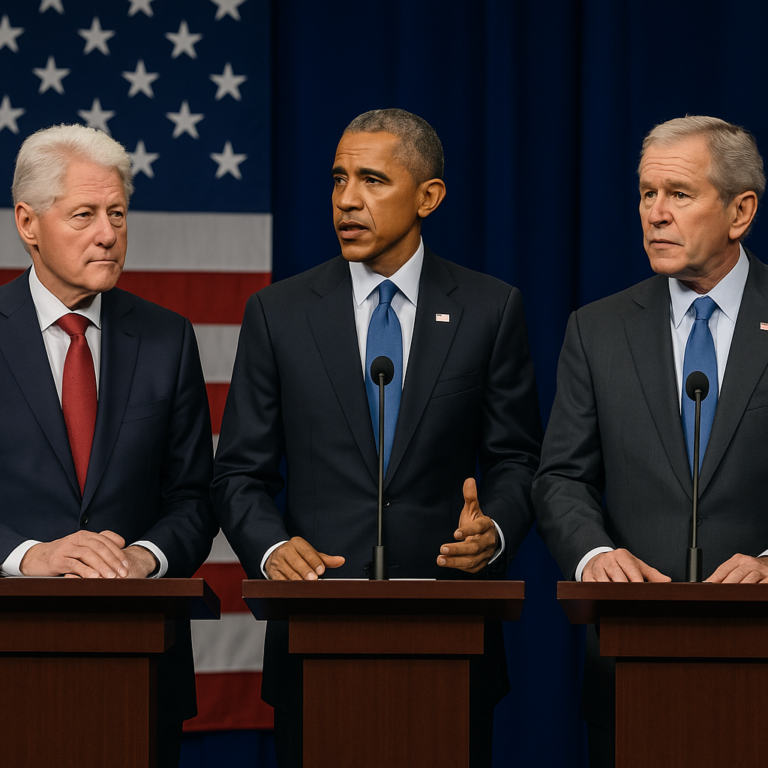
As a Latina journalist who’s spent years poring over Federal Election Commission filings and lobbying disclosures, the post-presidency influence machine stands out as one of Washington’s least scrutinized power centers. Former presidents don’t simply fade away; they leverage taxpayer-supported libraries, private foundations, and high-dollar speech circuits to shape legislation on healthcare, climate, and foreign policy long after leaving office. The financial disclosures tell a story the press releases don’t: millions in undisclosed donor money flowing through 501(c)(3) entities that double as policy hubs.
The modern template emerged after the 1970s. Jimmy Carter built the Carter Center into a vehicle for election monitoring and global health work, sidestepping presidential constraints while maintaining direct lines to Congress and international bodies. Legal frameworks like the Presidential Records Act and post-presidency allowances have since institutionalized these efforts, letting ex-presidents coordinate with sitting administrations on everything from voting rules to economic packages.
Carter’s initiatives through the Carter Center produced concrete results, including slashing Guinea worm cases from 3.5 million to fewer than 30. His interventions on North Korea and Sudan kept him relevant in foreign policy debates without formal office. Yet foundation donor lists reveal heavy reliance on corporate and foreign contributions that rarely surface in standard campaign finance reports. The Center’s annual budget grew to over $100 million at its peak, funded through a complex web of government grants, corporate partnerships, and individual donations—a financial model that subsequent ex-presidents would replicate and refine.
Bill Clinton scaled the Clinton Foundation into a global health operation that delivered HIV/AIDS treatment access to more than 2 million people while pushing climate measures. The bipartisan outreach to lawmakers during healthcare fights demonstrated how ex-presidents can bridge divides, though lobbying disclosures show the foundation’s extensive government affairs spending that intersects with midterm and presidential cycles. The Clinton Foundation’s work expanded beyond health into education and economic development, establishing programs in over 40 countries and creating a template for presidential influence that transcended traditional party boundaries.
During the 2010s, the Clinton Foundation’s donor base included foreign governments and corporations with direct interests in U.S. policy outcomes, raising questions about potential conflicts of interest when Hillary Clinton served as Secretary of State. The foundation’s charitable work remained substantial—its Clinton Health Access Initiative negotiated drug prices that reportedly saved developing nations billions in treatment costs—yet the intersection of philanthropic work and political influence created lasting scrutiny about the blurred lines between charitable enterprise and policy advocacy.
George W. Bush channeled energy into the Bush Institute, focusing on veterans’ education and employment programs that reached over 1.5 million service members. His public statements on post-9/11 issues quietly informed White House strategy sessions, illustrating the humanizing role these figures play in national security conversations. The Bush Institute maintained a notably lower profile than its Clinton counterpart, emphasizing nonpartisan domestic policy work while Bush himself maintained strategic silence on many contemporary political debates—a positioning that paradoxically enhanced his influence as a respected elder statesman.
Bush’s post-presidency advocacy for immigration reform and education policy demonstrated that ex-presidents could meaningfully shape legislative debates without constant media presence. His speeches commanding six-figure fees provided personal income while funding foundation operations, a financial model that underscored the lucrative nature of post-presidential life for those willing to remain engaged in policy circles.
Barack Obama’s redistricting and voting rights work touched more than 40 states between 2017 and 2023, feeding directly into election coverage and grassroots mobilization. His National Democratic Redistricting Committee emerged as a direct political organizing tool, blending policy advocacy with Democratic Party strategy in ways that raised questions about the distinction between foundation work and partisan activity. Obama’s approach differed markedly from his predecessors in its explicit connection to electoral outcomes, leveraging his foundation infrastructure to influence the political map itself.
Over 70 percent of living former presidents since 1980 have launched similar policy foundations, and public approval for those engaged in advocacy runs roughly 15 points higher than their final year in office. This phenomenon—the post-presidency approval bump—suggests that American voters often view former presidents more favorably once removed from day-to-day partisan battles. However, this same dynamic creates political opportunity for those seeking to maintain relevance and influence without the constraints of elected office.
The financial architecture supporting these post-presidential operations reveals patterns worth examining. Presidential libraries, funded through a combination of federal appropriations and private donations, operate with substantial tax benefits. The National Archives provides operational funding for library maintenance while private foundations handle programming, creating a hybrid public-private structure that has grown exponentially. Library endowments frequently exceed $100 million, with some approaching $300 million, making them substantial financial institutions that employ hundreds and command significant real estate portfolios.
The speaking circuit provides another crucial income stream often overlooked in casual analysis. Former presidents routinely command $100,000 to $750,000 per speech from corporate audiences, financial institutions, and trade associations. These appearances create informal lobbying opportunities; a pharmaceutical executive hearing a former president’s perspective on healthcare policy at a private event gains access that traditional lobbying channels might not provide. The tax deductibility of speaking fees when routed through charitable entities further incentivizes this arrangement.
International engagement adds another dimension to post-presidential influence. Former presidents serve on corporate boards, chair international commissions, and maintain advisory relationships with foreign governments—arrangements that keep them engaged in global policymaking while generating personal income. These roles occasionally create tension with U.S. foreign policy objectives, as when a former president’s corporate board seats or advisory positions conflict with sitting administrations’ diplomatic goals.
The legislative record demonstrates measurable outcomes from these advocacy efforts. Former presidents’ policy priorities have influenced congressional action on specific bills, regulatory frameworks, and funding allocations. Tax cuts for charitable contributions, healthcare program expansions, and environmental regulations have all reflected input from post-presidential institutes. Congressional testimony from foundation directors, policy papers published by presidential institutes, and media appearances by former presidents themselves constitute a significant portion of Washington’s policy conversation.
Critics rightly flag the risk of turning the ex-presidency into another partisan tool, yet the measurable legislative footprints remain. The real accountability gap lies in tracing how these institutes’ donor networks and speech fees align with ongoing campaign finance patterns—data that FEC and lobbying records only partially illuminate. Enhanced disclosure requirements for foundation giving and stricter definitions of lobbying activity by tax-exempt organizations could provide greater transparency, though legislative appetite for such restrictions remains limited given the bipartisan reliance on these structures.
The structural question looming over post-presidential advocacy concerns democratic accountability. Former presidents wield substantial influence over public opinion and legislative outcomes while remaining unelected and largely unregulated. Their foundations operate as private enterprises with minimal public oversight, their speeches reach selective audiences with undisclosed implications, and their donor networks remain partially obscured from public view. As the post-presidency has evolved from symbolic retirement to active policy engagement, the need for clearer rules governing conflicts of interest and disclosure requirements has become increasingly urgent.
Sources
“`