
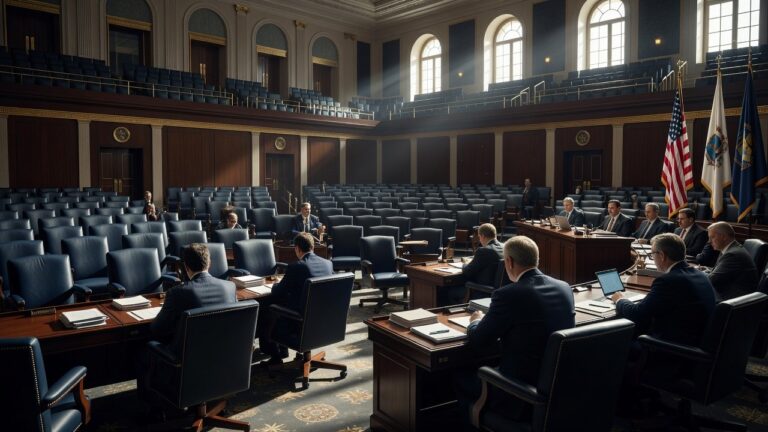
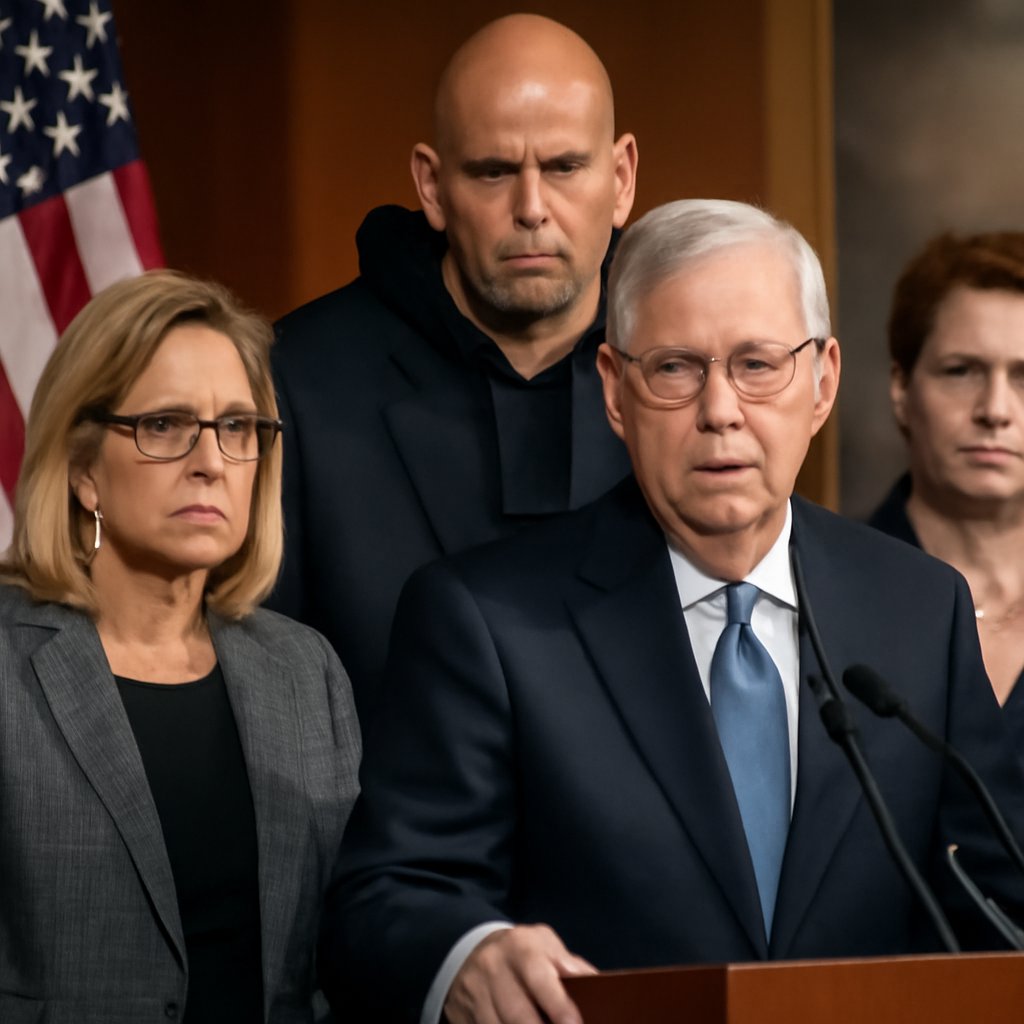
The U.S. Senate’s power to shape taxes, judicial picks, and regulatory rules has always been tied to the money that flows into its races. Federal Election Commission filings show how early fundraising often locks in advantages long before voters head to the polls, and the narrow majorities that decide legislation rarely emerge without those behind-the-scenes dollars setting the terms.
Since 1950 the president’s party has lost an average of four Senate seats in midterm cycles, a pattern that holds across administrations. Bureau of Labor Statistics data cross-referenced with election results reveals the variation: when GDP growth tops 3 percent, losses shrink to two seats or fewer; when unemployment climbs above 6 percent, the toll can exceed six. The staggered map of states up for grabs matters more than any single national number, because the specific districts determine where outside money lands.
Incumbents typically raise three times as much as challengers by the end of the first quarter, according to FEC records. That early money correlates tightly with final margins. Open-seat contests draw heavier spending from both parties and produce tighter results. The financial disclosures tell a story the press releases don’t: consistent constituent services build name recognition that no last-minute ad buy can fully overcome.
Several states keep drawing attention because their partisan leans, population growth, and recent voting records make them efficient targets for donor dollars. Arizona, Georgia, and Nevada have seen suburban shifts that redraw traditional margins. Pennsylvania and Wisconsin remain sensitive to manufacturing employment and union turnout. Census Bureau surveys document growth in Hispanic and college-educated voter blocs that changes the coalition math. As a Latina journalist covering Washington, those demographic numbers are not abstract—they reflect communities whose voices are often drowned out by the super PAC checks that dominate airtime in these states. Early-voting systems now let campaigns model turnout with precision that earlier cycles lacked.
The mechanics of Senate races differ fundamentally from House contests due to statewide geography and longer campaign cycles. A Senate race in a single state can attract national attention and donor interest in ways that congressional districts rarely do. This amplifies the role of name recognition and media spending. Campaigns in competitive Senate seats often begin two to three years before Election Day, with candidates and their teams building infrastructure in anticipation of heavy spending periods. Volunteer recruitment, field office openings, and constituent outreach programs start early, creating organizational advantages that money alone cannot purchase.
Third-party groups and super PACs have reshaped Senate spending patterns significantly since the 2010 Citizens United decision. Independent expenditure committees now often match or exceed candidate committee spending in close races. These groups operate under different disclosure rules and coordination restrictions than campaigns themselves, creating a shadow campaign finance system that shapes voter messaging in ways traditional FEC reports only partially capture. Tracking which outside groups invest in which states reveals strategic priorities that candidate announcements sometimes obscure.
Historical Senate race data shows that candidate quality matters substantially. Experienced politicians who have won statewide office before—governors, sitting House members with statewide profiles, or attorneys general—tend to perform better than first-time candidates regardless of party or spending levels. This candidate recruitment battle often begins years before an election cycle officially opens. Party leaders actively scout and encourage strong potential nominees, recognizing that a weak nominee can doom an otherwise favorable political environment.
Recruitment of experienced candidates or proven fundraisers frequently decides whether a race stays competitive. State election board data shows nominees with prior statewide experience outperform newcomers by 4 to 7 points. Messaging centered on pocketbook concerns rather than national culture-war flashpoints performs better in nonpartisan polling. Early investment in field operations creates measurable turnout edges, especially among low-propensity voters.
The timing of candidate announcements and endorsements creates momentum effects worth monitoring. When party leadership or influential figures endorse early, they signal confidence that often attracts additional funding and volunteer interest. Conversely, late-entering candidates must overcome structural disadvantages despite potentially strong qualifications. Primary contests in competitive states add another layer of complexity, as divisive primaries can leave winners weakened heading into general elections, though unified party bases sometimes rally after primary resolution.
State-specific factors create unique dynamics that national trends cannot fully explain. A state’s economic dependence on particular industries—agriculture, manufacturing, energy, or technology—influences which campaign messages resonate. Rust Belt states respond differently to economic messaging than Sun Belt growth states. Agricultural communities care about trade policy and commodity prices in ways that urban centers do not. Understanding these local economies is essential for interpreting why similar national conditions produce different Senate outcomes in different states.
Aggregated polling from multiple outlets reduces individual survey error. Races decided by fewer than three points often see late swings driven by turnout gaps rather than preference shifts. Analysts weight polls by sample size, recency, and methodology when building forecasts. However, Senate race polling has shown increasing volatility and late movement in recent cycles, making early predictions riskier than historical patterns suggest. Undecided voters in Senate races remain more substantial than in presidential contests, providing more room for candidate performance and events to move numbers in final weeks.
Immigration and border security issues have emerged as particularly salient in Senate races, especially in states near the Mexican border or those experiencing rapid demographic change. Healthcare costs and prescription drug pricing consistently poll as top voter concerns across most Senate battlegrounds. Climate and energy policy divide voters along generational and regional lines. Student loan policy affects turnout among younger voters. These issues layer atop traditional economic concerns to create complex voter coalitions that campaigns must navigate carefully.
National approval ratings and legislative output influence down-ballot energy. Major bills passed by Congress can sometimes limit expected losses for the president’s party, while prolonged gridlock feeds anti-incumbent sentiment visible in generic ballot surveys. State-level economic performance, measured against local unemployment claims, further modulates those national effects. Senators who successfully deliver federal funding for infrastructure projects or secure support for local priorities often build bipartisan approval that insulates them from national headwinds.
The role of election administration and voting access continues to shape Senate race outcomes. States with early voting and mail-in balloting see different turnout patterns than those relying primarily on Election Day voting. Voter registration efforts and voter suppression concerns affect different demographic groups unequally. Understanding the mechanical details of how each state conducts elections provides insight into which campaigns might benefit from increased or decreased participation rates.
Understanding Senate race dynamics requires examining where money flows, which candidates get recruited, how demographic change reshapes electorates, and which state-specific issues dominate local discourse. These contests determine whether the president can advance an agenda or faces obstruction, whether judges get confirmed, and how legislation gets written. The balance of power in the Senate emerges from thousands of decisions made by individual voters, but those voters encounter campaigns shaped decisively by dollars, candidate quality, and the economic and demographic realities of their states.
Sources
- Reuters Politics – U.S. political news and election coverage
- AP News Elections Hub – Associated Press election reporting and analysis
- NPR Politics – National Public Radio political coverage
- Politico Elections – Campaign news and Senate race analysis
- U.S. Senate Elections – Official Senate election information