

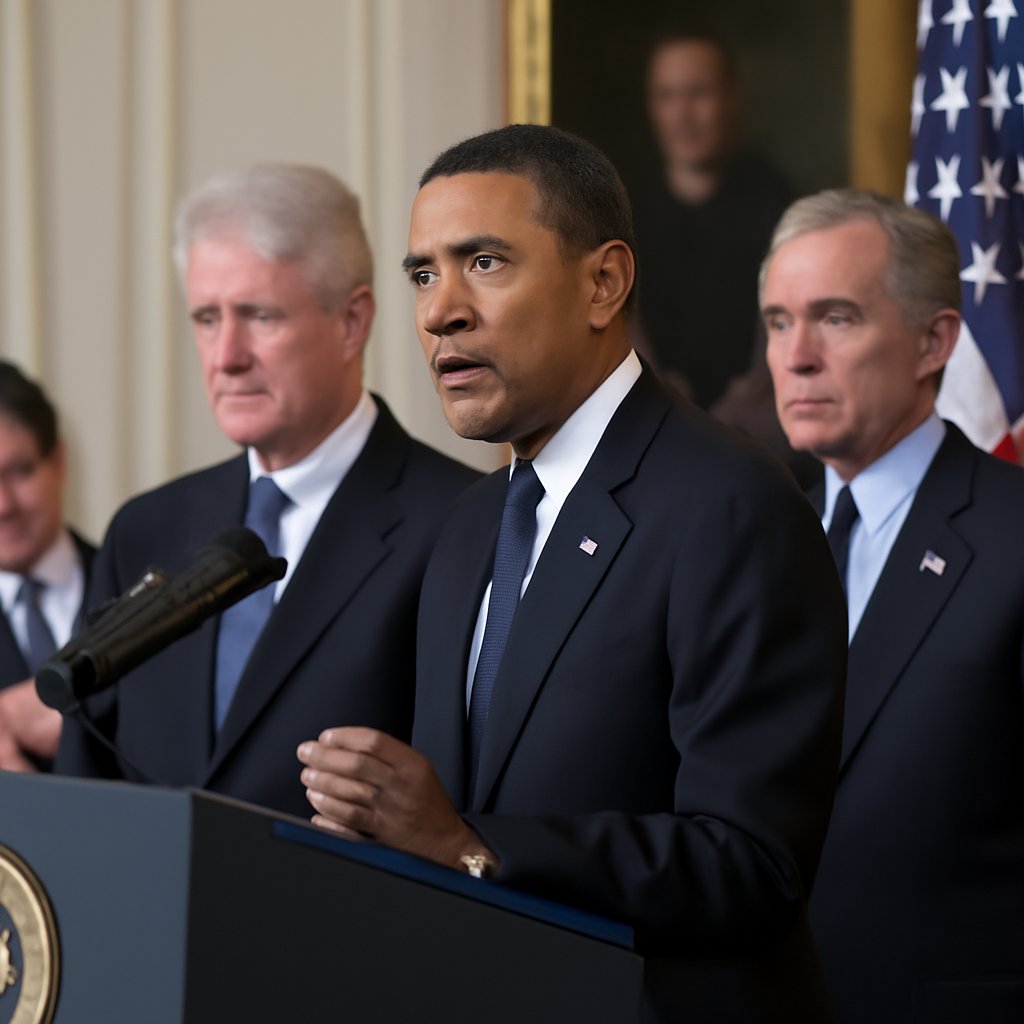
Digging through decades of presidential directives shows how U.S. presidents have leaned harder on executive orders to push agendas when Congress hits gridlock, from immigration enforcement to environmental rollbacks. These moves often align with donor priorities tracked in Federal Election Commission filings, where industries facing regulatory shifts pour millions into campaigns. As a Latina journalist covering Washington accountability, I keep coming back to how these unilateral actions sidestep the very lobbying disclosures that might otherwise expose who stands to gain or lose.
Executive orders trace back to the early republic under the Constitution’s charge that the president “take care that the laws be faithfully executed.” George Washington’s 1793 Neutrality Proclamation set the template. What began as occasional tools expanded sharply in the 20th century, with Franklin D. Roosevelt issuing more than 3,721 during the New Deal and World War II—far outpacing later presidents and establishing the model for using directives to manage agencies and declare emergencies when legislation stalled.
The constitutional foundation for executive orders remains contested among legal scholars. While the Constitution grants presidents explicit war powers and treaty authority, the broader power to issue binding directives rests on implied authority derived from the “executive power” and “take care” clauses. Early presidents exercised this power sparingly, typically for routine administrative matters. The Youngstown Steel & Tube Co. v. Sawyer case of 1952 established that presidential powers are not absolute—Congress can constrain executive authority through legislation. This precedent continues to shape how courts evaluate executive orders, though presidents of both parties have tested these boundaries during periods of legislative stalemate.
Recent administrations reveal clear patterns tied to partisan control of Congress and election cycles. Barack Obama signed 276 orders, many targeting climate rules and healthcare after legislative setbacks, including the Clean Power Plan and DACA. The financial disclosures tell a story the press releases don’t: energy-sector PACs and trade associations ramped up contributions during those years, anticipating enforcement shifts at the EPA. Donald Trump issued 220 orders focused on border security, tariffs, and deregulation, with early actions aimed at undoing Affordable Care Act provisions and environmental standards. Campaign finance records from that period show heavy spending from construction, fossil-fuel, and manufacturing donors whose interests aligned with the policy reversals.
Joe Biden surpassed 100 orders in his first year alone, reversing several prior policies on immigration and energy. Immigration and environmental topics now account for roughly 30 percent of recent directives, areas where lobbying expenditures routinely top $100 million annually according to Senate disclosures. Over 50 executive orders faced court challenges between 2017 and 2023, with judges citing statutory overreach in cases involving travel restrictions and student-loan attempts. Congress has invoked the Congressional Review Act to overturn fewer than 20 rules since 1996, underscoring how rarely lawmakers check these actions despite oversight hearings and funding riders.
The types of executive orders deployed have evolved significantly. Proclamations, typically used for ceremonial or immigration-related matters, differ from executive orders that carry binding force on federal agencies. Memoranda and notices occupy a middle ground, often directing agency action without the formal status of full orders. Presidents typically issue 50 to 70 executive orders per year, though this number fluctuates based on legislative productivity and policy ambitions. The most active signing years coincide with unified government control or major crises—FDR’s average exceeded 300 annually during Depression and wartime emergencies, while recent presidents average 35 to 55 annually during divided government periods.
Agencies such as the EPA and DHS receive direct marching orders through these directives, shifting enforcement priorities without new statutes. That accelerates policy swings but creates regulatory whiplash for states and businesses navigating donor-influenced changes across administrations. The EPA alone has reversed or modified dozens of environmental standards through executive orders spanning multiple administrations, from fuel efficiency rules to wetlands protections. This instability affects business planning, state compliance budgets, and environmental outcomes. Companies must maintain compliance protocols for multiple regulatory regimes, anticipating which rules might survive legal challenge or outlast the current administration.
The judicial review process has become increasingly important as executive orders face legal scrutiny. Courts apply different standards depending on statutory language and whether Congress has explicitly addressed the issue. Where Congress has directly spoken to a question, courts defer less to presidential interpretation. When statutory language is silent or ambiguous, courts traditionally grant presidents wider latitude. However, the Supreme Court’s 2022 decision in West Virginia v. EPA signaled a tighter approach, requiring “clear congressional authorization” before agencies can adopt major policies through regulatory action based on executive order. This decision has implications for future environmental, labor, and immigration directives.
The relationship between executive orders and congressional action reveals broader patterns in Washington’s legislative process. When Congress passes narrow or ambiguous legislation, presidents gain discretion in implementation. Gridlocked periods see executive orders multiply as frustrated presidents bypass legislative slowdowns. Republicans and Democrats both employ this strategy when they control the White House and face opposition-controlled chambers. The Obama administration’s use of executive orders to advance immigration reform after legislative failures in Congress mirrors Trump’s use of orders on trade and border policy when Congress resisted his proposals. Biden’s reversals of Trump-era orders followed the same playbook. This cycle demonstrates how executive orders function as a pressure valve for partisan conflict.
State responses to executive orders vary based on regulatory philosophy and political alignment. Some states immediately challenge orders through litigation, while others incorporate them into state law. Republican-led states sued repeatedly over Obama-era environmental and immigration orders, just as Democratic-led states challenged Trump directives on environmental rollbacks. Federal agencies must navigate conflicting directives when states sue and courts issue injunctions. The practical effect spreads beyond Washington—businesses operating in multiple states face a patchwork of compliance requirements depending on which orders survive judicial review and which states actively enforce or resist them.
Average annual executive orders have declined since the mid-20th century amid greater scrutiny, yet the tool remains a staple when legislative gridlock collides with well-funded interests. Looking ahead, the trajectory suggests continued reliance on executive orders as partisan polarization persists. Future presidents will likely follow the established pattern: reverse predecessor orders on day one, consolidate power through agency directives on priority issues, and face judicial challenges. Understanding these patterns helps citizens evaluate how much power they want executives to wield unilaterally and what safeguards they prefer Congress to maintain.