
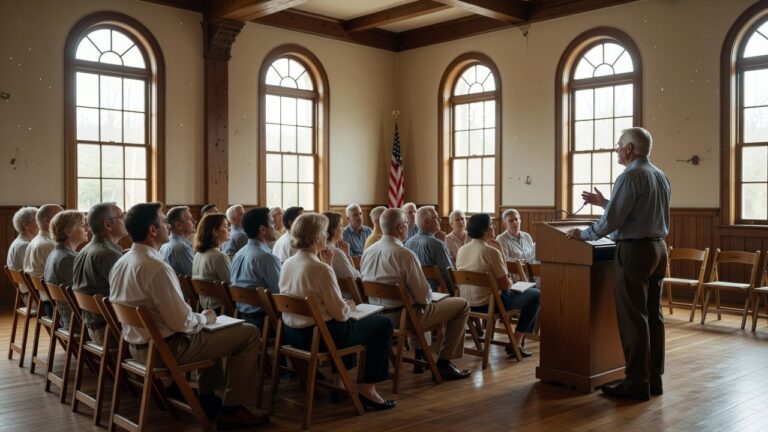
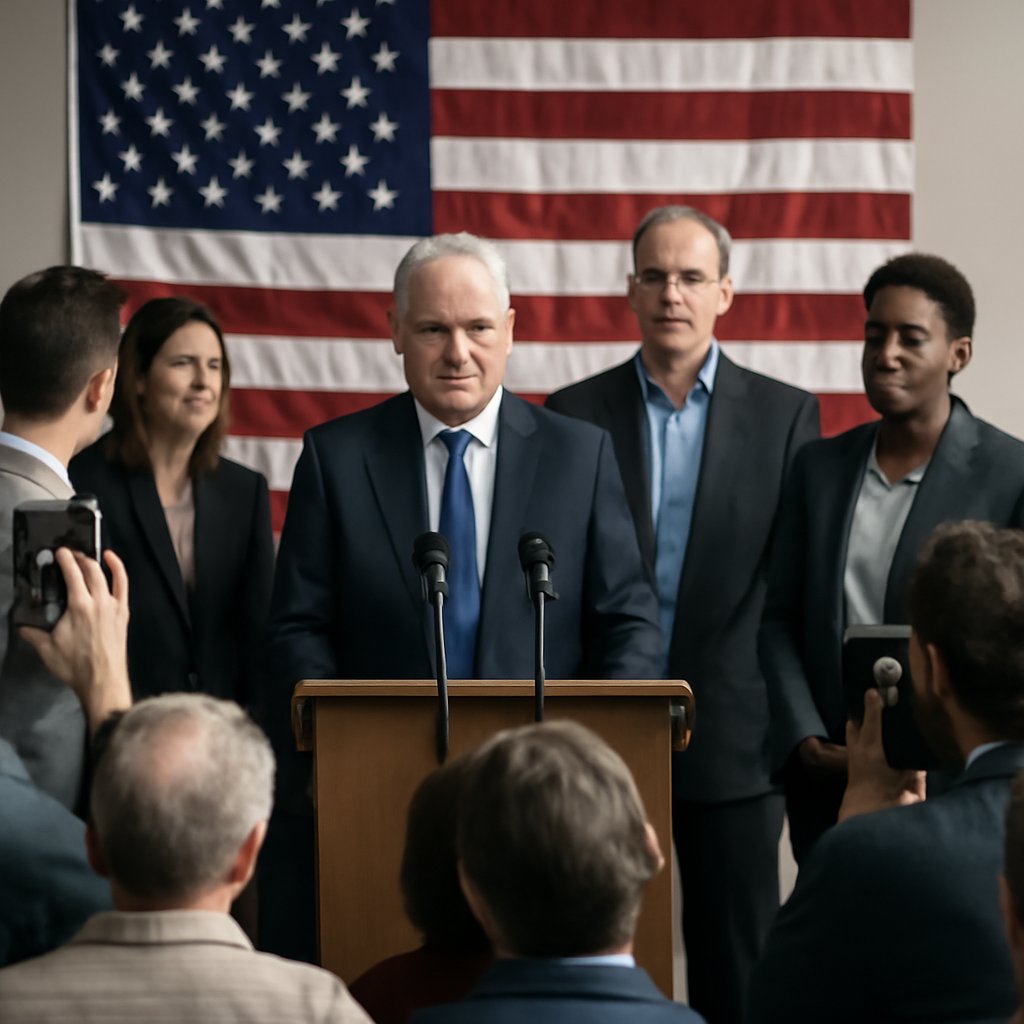
Town hall meetings continue to offer one of the last unfiltered chances for constituents to confront members of Congress on legislation often shaped behind closed doors by lobbyists and large donors. As a Latina journalist covering Washington accountability, I have seen how these gatherings expose the gap between what representatives say in public and what their campaign finance records reveal through FEC filings and lobbying disclosures. The financial disclosures tell a story the press releases don’t: many lawmakers who face tough questions on healthcare or infrastructure spending have accepted substantial contributions from the very industries they are asked to oversee.
Originating in colonial New England, town halls evolved into regular tools for political engagement, especially during election cycles when candidates seek to build support ahead of midterms or presidential races. In recent years they have become flashpoints in debates over climate policy, veterans’ affairs, and federal spending. Participants who connect local concerns to national priorities can frame questions that reference specific bills or agency oversight, moving beyond general complaints to actionable demands for transparency on how outside money influences votes.
Preparation remains essential. Review not only a representative’s voting record but also their campaign finance reports and lobbying disclosures to understand which interests may be pulling strings. Craft concise questions backed by data from policy reports or congressional records rather than broad statements. Familiarize yourself with logistics, including time limits and any virtual formats that expanded after 2020, when more than 5,000 virtual town halls occurred. Coordinating with local groups beforehand can strengthen follow-through once the event ends.
Finding town hall meetings in your district requires knowing where to look. Most representatives maintain official websites with event schedules, though these are not always prominently displayed. Local newspapers, community calendars, and social media accounts of elected officials frequently announce upcoming town halls weeks in advance. Additionally, organizations like Common Cause and the League of Women Voters maintain databases of scheduled town halls, and constituents can request meetings directly from their representative’s office. During election years, candidates often hold multiple town halls across their districts, sometimes in partnership with local libraries, community centers, or schools. Signing up for email alerts from your representative’s office ensures you won’t miss announcements, particularly important since some town halls fill to capacity quickly.
The format of town halls varies significantly. Traditional in-person meetings typically allow for a brief opening statement from the representative, followed by constituent questions during an open forum. Some representatives use a moderated format where questions are screened or submitted in writing to control the flow. Others employ a “listening tour” approach where the focus is on gathering constituent input rather than defending positions. Hybrid formats combining in-person and virtual attendance have become increasingly common, allowing people unable to travel to participate remotely. Understanding the specific format beforehand helps you prepare appropriately—virtual participants should test technology and find a quiet location, while in-person attendees should arrive early to secure a good position for being recognized to speak.
During the meeting, speak clearly when recognized and listen to competing views to keep the exchange productive. Afterward, document responses and reference them in future communications, emails, or social media posts to representatives. Tracking these interactions proves especially useful ahead of elections, where sustained pressure from constituents has been linked to shifts on issues such as veterans’ services. Over 80 percent of House members held at least one in-person or virtual town hall during the 118th Congress, and studies show regular participation correlates with a 15-to-20 percent rise in voter turnout in subsequent cycles. Representatives who engage consistently often record higher approval ratings in polling.
Crafting an effective question requires strategic thinking. The best town hall questions are specific rather than general, actionable rather than rhetorical, and grounded in constituent experience. Instead of asking “What is your position on healthcare?” try “The Martinez family in our district faced $50,000 in medical debt after an unexpected hospitalization. Will you support legislation capping out-of-pocket expenses?” This approach personalizes the issue, demonstrates constituent impact, and pressures the representative to provide a direct answer rather than a talking point. Questions that reference specific bills—by name and number—show you’ve done homework and often elicit more substantive responses. Asking follow-up questions when answers are evasive or incomplete also strengthens accountability. Many representatives will defer to staff for detailed replies, which gives you an opportunity to request written responses within a specific timeframe.
Building longer-term coalitions with other attendees allows monitoring of whether promises made at town halls translate into legislative action. Sharing documented experiences through community channels or local outlets extends the impact beyond a single evening. These steps convert one-time attendance into ongoing scrutiny of how campaign contributions and lobbying expenditures align with—or diverge from—public commitments.
Research demonstrates that sustained town hall engagement produces measurable outcomes. A study by the University of Chicago found that representatives who held more frequent town halls received significantly more constituent mail on policy issues, suggesting that these forums activate broader civic participation. Congressional offices track constituent correspondence, and legislators often adjust their positions when they detect sustained constituent pressure through multiple channels. When attendees follow up town hall questions with phone calls, emails, and letters referencing their specific question and the representative’s response, offices are forced to develop coherent policy positions rather than allowing contradictions to persist.
The relationship between town halls and electoral accountability cannot be overstated. Representatives know that town hall participants often become activists and volunteers in campaigns against them if they feel ignored or misled. This reality incentivizes representatives to take town hall engagement seriously, even when the audience is hostile. Documenting representatives’ town hall commitments and then tracking their voting records creates a powerful accountability tool for election cycles. Voters who can point to a specific town hall promise—backed by video, audio, or written documentation—and show how a representative voted contrary to that promise significantly damage their credibility with persuadable voters.
The virtual town hall expansion of 2020 and beyond democratized access in important ways. Rural constituents no longer face the burden of traveling long distances to urban centers where town halls were often held. Voters with disabilities or transportation challenges could participate from home. Parents with childcare responsibilities found it easier to attend. Yet virtual formats also created new challenges—technical difficulties, reduced ability to read body language, and easier opportunities for representatives to limit participation through strict time controls. Hybrid formats represent a practical solution, though they require more logistical coordination from representatives’ offices.
Key facts underscore the stakes:
– Over 80% of House members held at least one in-person or virtual town hall meeting during the 118th Congress, highlighting their role in constituent relations.
– Studies show that regular town hall participation correlates with a 15-20% increase in voter turnout during subsequent elections.
– Policy changes on issues like veterans’ affairs have been directly attributed to constituent feedback from town hall meetings in multiple districts.
– Virtual town halls surged to over 5,000 events in 2020-2022, expanding access for rural and disabled voters in policy debates.
– Representatives who frequently engage via these forums often see improved approval ratings in election polling data.
– Constituents who attend town halls and follow up with written correspondence are significantly more likely to receive substantive policy responses than those who contact offices without prior engagement.
Effective engagement at these forums can pressure lawmakers to prioritize constituent needs over donor interests, provided citizens treat town halls as the starting point for sustained accountability rather than the finish line. The most successful town hall participants view these events not as one-time opportunities to vent frustrations, but as initial steps in longer campaigns to influence representatives’ voting records and policy positions. By combining town hall attendance with research into campaign finance, consistent follow-up communication, and coordination with other constituents, ordinary citizens can exert meaningful influence on the legislative process. In an era when many constituents feel disconnected from their representatives, town halls remain among the most accessible and direct channels for democratic participation.