
The White House Correspondents Association serves as the central body credentialing journalists who cover the executive branch, directly shaping the data pipelines that feed into election coverage and congressional oversight. Its procedures influence how polling firms and analysts receive raw inputs for modeling voter sentiment, particularly when briefings touch on policy shifts that show up in swing-state surveys.
Tracing its formation back to 1914 reveals a consistent pattern: a small cohort of fewer than 20 reporters covering Woodrow Wilson established the group to stabilize access amid inconsistent White House practices. That framework has scaled to more than 800 members across 200-plus organizations today. Historical election patterns show the association adapting during transitions from print to broadcast eras, then again through Watergate-era transparency debates, each time standardizing pool rotations that now handle roughly 300 events annually. These adaptations matter because the resulting coverage streams feed directly into demographic breakdowns that pollsters rely on for weighting responses by age, region, and media consumption habits.
The earliest years of the association reflected the practical challenges facing journalists in an era of limited communication infrastructure. Without formal credentialing systems, access to presidential statements relied heavily on personal relationships and ad-hoc arrangements that favored established newspapers in major cities. The creation of standardized procedures allowed reporters from smaller markets and regional outlets to compete on equal footing, establishing a principle that would define the organization’s mission throughout its evolution. This democratization of access proved particularly important during the 1920s and 1930s, when Franklin D. Roosevelt’s frequent press conferences—sometimes held multiple times per week—required systematic management of dozens of journalists in the president’s office.
The association’s role expanded dramatically during the mid-twentieth century as television transformed political communication. The transition from print-only coverage to live broadcast reporting created new questions about pool arrangements, camera placement, and real-time access that the association had to mediate. The organization developed protocols ensuring that no single network received preferential positioning or timing advantages, establishing rotation systems that persist in recognizing the equal standing of different media formats. These decisions, made in conference rooms and through formal votes, cascaded into the broader information ecosystem that shaped public perception of presidential statements and policy announcements.
Governance follows an elected structure with a 15-member board serving staggered two-year terms, drawn from print, broadcast, and digital outlets to maintain balance. Annual leadership votes and committee work on membership and press-freedom issues keep the organization independent, funded through dues and event revenue that exceed $1.5 million yearly. This setup supports impartial data collection during election cycles, when briefing access can affect how quickly pollsters incorporate White House statements into their questionnaires. The board also tracks legislation affecting media access, an area that intersects with congressional hearings—15 major ones on press freedom since 2000 alone.
The membership requirements for the association strike a deliberate balance between accessibility and credibility. To qualify for a White House press pass, journalists must work for recognized news organizations that meet specific criteria around editorial independence and regular publication schedules. This gatekeeping function prevents the credentialing system from becoming oversaturated while remaining broad enough to include outlets ranging from traditional newspapers and broadcast networks to digital-native newsrooms and international bureaus. The vetting process typically takes several weeks and involves background checks, verification of employment, and confirmation that the applicant’s organization maintains legitimate news operations.
Daily operations center on reviewing more than 100 new credentialing applications each year and managing pool assignments under strict criteria that favor established outlets while reserving space for regional bureaus. During high-volume periods such as midterms or major policy rollouts, the association coordinates with White House staff to allocate limited briefing-room seats and live feeds. The polling data here paints a complicated picture: tighter access can delay the release of statements that later appear in national tracking polls, altering the timing of demographic shifts in models. Recent adjustments for digital and pandemic constraints have preserved equity for smaller outlets, preventing national networks from dominating the information flow that ultimately informs electoral-map projections.
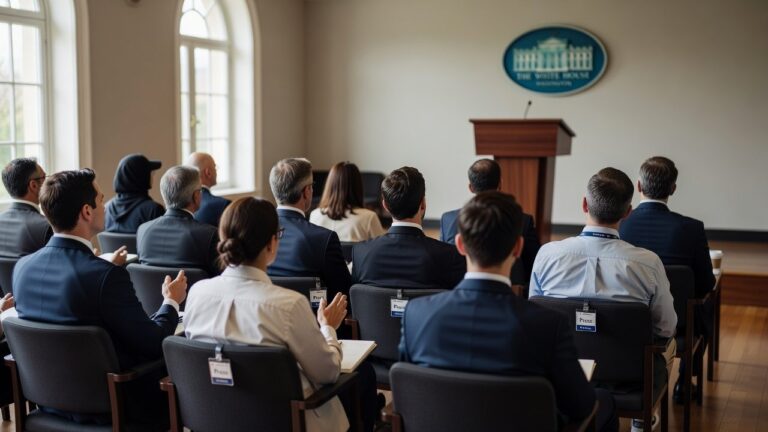
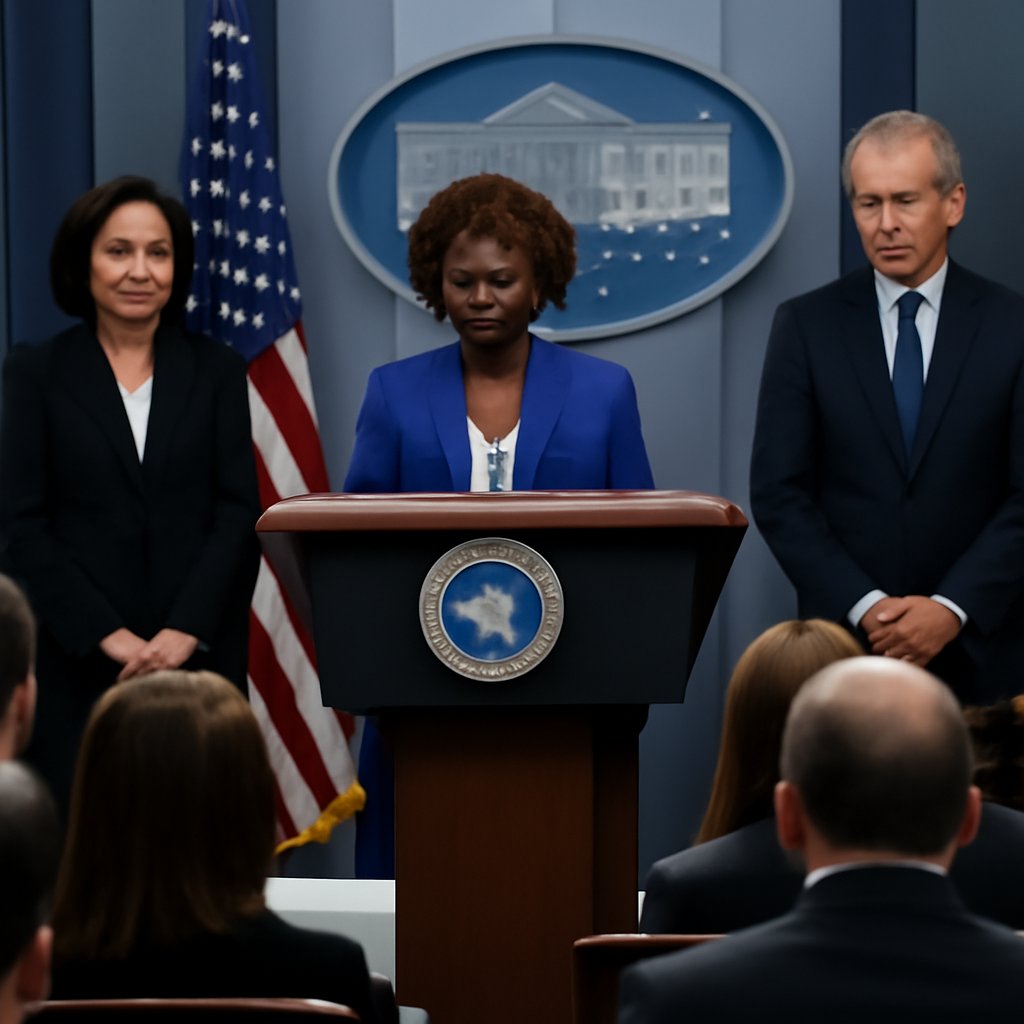
The briefing room itself functions as a geographic constraint that shapes coverage dynamics. With seating for approximately 50 journalists in the White House press briefing room, the association must maintain rotation systems ensuring that various outlets receive front-row placement on a rotating basis. This seemingly technical detail carries significant weight: journalists seated in front rows receive better audio and video feeds, can ask follow-up questions more effectively, and generate coverage that resonates differently with editors and producers. The association’s seat-rotation system attempts to prevent any single outlet from monopolizing premium positioning while ensuring that smaller regional bureaus occasionally receive prime access.
The association has increasingly grappled with questions about how to credential and accommodate digital media and independent journalists. The rise of online news platforms, podcasting networks, and independent investigative outlets has pressured the traditional membership framework designed for organizations with established newsrooms and editorial structures. Recent policy adjustments have created pathways for digital outlets to gain credentialing while maintaining standards that prevent credential abuse. These decisions reflect broader tensions in American journalism between maintaining professional standards and recognizing that legitimate news production now occurs across a wider range of organizational models than existed when the association’s core procedures were established.
The relationship between the White House Correspondents Association and sitting presidents has periodically become contentious. Different administrations have tested the association’s boundaries by attempting to grant preferential access to friendly outlets, restrict credentials from critical reporters, or alter pool arrangements to disadvantage particular news organizations. The association has consistently defended its independence in these disputes, viewing press freedom protections as central to its mission. These confrontations typically attract media attention and become occasions for broader public debate about the role of a free press in democratic governance.
When you model this electorally, the association’s annual dinner—drawing over 2,500 attendees including the president—functions as one visible data point in a broader network of relationships that sustain coverage continuity across administrations. Its scholarship programs reach more than 50 emerging journalists yearly, feeding new voices into the same ecosystem that has pushed for access reforms since the Roosevelt era. The overall operation blends institutional precedent with adaptive management, ensuring the steady supply of verified information that underpins both polling methodology and balanced analysis of White House–Congress dynamics.
The association’s committee structure provides the organizational scaffolding that keeps operations running smoothly across administrations with different philosophies about press access. Standing committees handle membership applications, press freedom advocacy, professional standards, and event planning. Special committees emerge periodically to address emerging challenges—recent ones have focused on diversity and inclusion within the correspondent corps, cybersecurity for digital access credentials, and standards for remote coverage arrangements. Committee work attracts participation from dozens of association members beyond the elected board, creating distributed leadership that helps the organization adapt to changing circumstances while maintaining institutional continuity.
Sources
- White House Correspondents’ Association – Official website with organization history and membership information
- Reuters Politics – Coverage of White House press operations and correspondents
- AP News US News – News coverage of White House and press corps activities
- NPR Politics – Analysis and reporting on White House press operations
- Politico White House News – Reporting on press corps and White House correspondents