
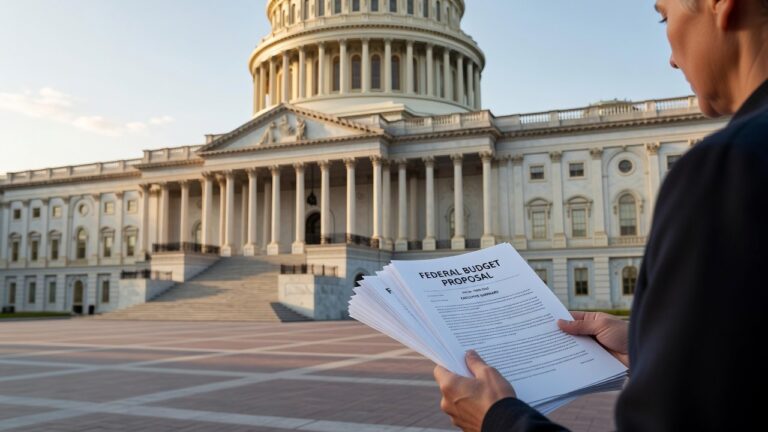
The federal budget process offers a window into how spending priorities shape voter sentiment and electoral outcomes across battleground states. From the White House proposal each February through the appropriations fights on Capitol Hill, these negotiations set the stage for debates that pollsters track closely when modeling support among key demographics like suburban independents, working-class voters in the Midwest, and seniors reliant on entitlement programs. When you model this electorally, the timing of budget releases often aligns with shifts in approval ratings that have historically predicted House and Senate flips.
The Congressional Budget and Impoundment Control Act of 1974 established the annual cycle that begins with the president’s submission outlining roughly $6.9 trillion in outlays for fiscal year 2025. Analysts following this timeline note that early signals on defense allocations or infrastructure spending frequently register in national surveys conducted by outfits like Gallup or Pew, which use stratified sampling to capture partisan and regional breakdowns. The polling data here paints a complicated picture, as defense spending above $800 billion tends to hold steady support in Sun Belt states while mandatory program adjustments draw sharper divides among older voters in Florida and Pennsylvania.
Understanding the basic mechanics of budget tracking requires familiarity with the fiscal year calendar. The federal government’s fiscal year runs from October 1 through September 30, meaning that FY 2025 began in October 2024. Presidents typically submit their budget proposals in early February for the upcoming fiscal year, giving Congress roughly eight months to debate and pass appropriations legislation before the new year begins. This compressed timeline means tracking the budget requires monitoring multiple moving pieces simultaneously—the initial proposal, committee reviews, floor debates, and final reconciliation efforts between chambers.
By mid-April, Congress targets a budget resolution to set spending caps, though passage often slips in divided government. Historical patterns since 1977 show all twelve appropriations bills clearing on schedule only four times, a streak that correlates with midterm volatility when voters punish perceived gridlock. Demographic cross-tabs in exit polls from recent cycles reveal that independents aged 35-54 penalize both parties when discretionary categories—about 30 percent of the budget—face delays, while mandatory spending at roughly 60 percent anchors turnout among lower-income groups.
The budget resolution itself serves as a crucial roadmap but carries no presidential veto authority. Instead, it functions as an internal congressional document that establishes spending and revenue targets for the coming decade. Once adopted, it guides committees in crafting the twelve separate appropriations bills that fund different federal agencies and departments. These bills cover defense, state and foreign operations, interior and environment, agriculture, commerce and justice, energy and water, financial services and general government, homeland security, labor and health and human services, transportation and housing and urban development, military construction and veterans affairs, and legislative branch operations.
Primary documents from the Office of Management and Budget and the Congressional Budget Office supply the raw numbers that pollsters incorporate into favorability models. Cross-referencing these with committee markups on agriculture or transportation bills lets analysts anticipate how line-item changes might register in state-level surveys, particularly in districts where economic projections influence swing voters. Nonpartisan reviews from the Government Accountability Office add historical context on sequestration effects under the 2011 Budget Control Act, which trimmed discretionary growth by an estimated $1.5 trillion over nine years and left measurable imprints on Rust Belt polling.
For citizens wanting to track budget proposals directly, the White House Office of Management and Budget website publishes the president’s full budget submission, including detailed agency-by-agency breakdowns and economic assumptions underlying revenue projections. Congress.gov provides real-time updates on budget-related legislation, allowing visitors to search by bill number, sponsor, or topic. The Congressional Budget Office also publishes cost estimates for major bills, scoring how proposed legislation would affect the deficit over a ten-year window. These documents offer the most authoritative baseline figures that news outlets and advocacy groups cite when analyzing budget priorities.
Committee hearings and mark-ups represent another crucial tracking point. Once the budget resolution passes, individual appropriations subcommittees hold hearings where agency officials testify about funding requests and priorities. These sessions often generate revealing testimony about proposed cuts or expansions that foreshadow political battles ahead. Major newspapers and policy outlets typically cover significant testimony, but C-SPAN archives many hearings for those wanting primary source material. The House and Senate Appropriations Committees publish their markup documents online, showing proposed amendments and voting records that reveal party divisions on specific allocations.
Specialized dashboards from groups like the Committee for a Responsible Federal Budget allow filtering by agency and program, revealing trends that map onto electoral coalitions. When layered with real-time congressional coverage and curated expert commentary, these tools highlight how budget debates surface in town halls and public comments, feeding qualitative data that refines quantitative forecasts ahead of November contests. The Congressional Budget Office’s more than 1,200 cost estimates since 2010 provide the methodological backbone for such projections, ensuring demographic weighting stays consistent with past election results.
Several nonpartisan organizations maintain detailed budget tracking resources. The Peter G. Peterson Foundation offers accessible summaries of long-term fiscal trends and budget proposals, while the Urban Institute and Brookings Institution publish analyses comparing how proposed budgets would affect different income groups and regions. Americans for Tax Reform and the National Taxpayers Union track specific line items from conservative and taxpayer advocacy perspectives, respectively. These varied sources allow readers to cross-check information and understand different analytical frameworks applied to the same budget numbers.
Tracking the appropriations process itself requires following floor votes and conference committee negotiations. Once individual appropriations bills pass their respective chambers, differences must be reconciled in conference. These negotiations frequently involve intensive bargaining where both parties extract concessions on priorities. News coverage intensifies during these periods, and tracking voting records on key amendments reveals which members prioritize particular spending categories. Congressional Quarterly and Roll Call, specialized legislative news services, provide detailed coverage unavailable in mainstream outlets.
Federal budget proposals routinely surface as wedge issues in both midterms and presidential races, where candidate positioning on specific allocations influences turnout models. Consistent monitoring ties fiscal mechanics directly to the electoral map, showing how decisions in Washington ripple through voter priorities in competitive districts. By understanding the budget timeline, locating primary documents, and monitoring committee activity, engaged citizens can track fiscal proposals from conception through enactment and predict how budget debates will influence the political landscape in their communities and nationally.
Sources
- Congress.gov – How Our Laws Are Made
- White House Office of Management and Budget – Federal Budget
- Congressional Budget Office – Reports and Analysis
- Committee for a Responsible Federal Budget
- Politico – Political News and Analysis
- NPR Politics – News and Coverage
- AP News – Budget Coverage
- Government Accountability Office