

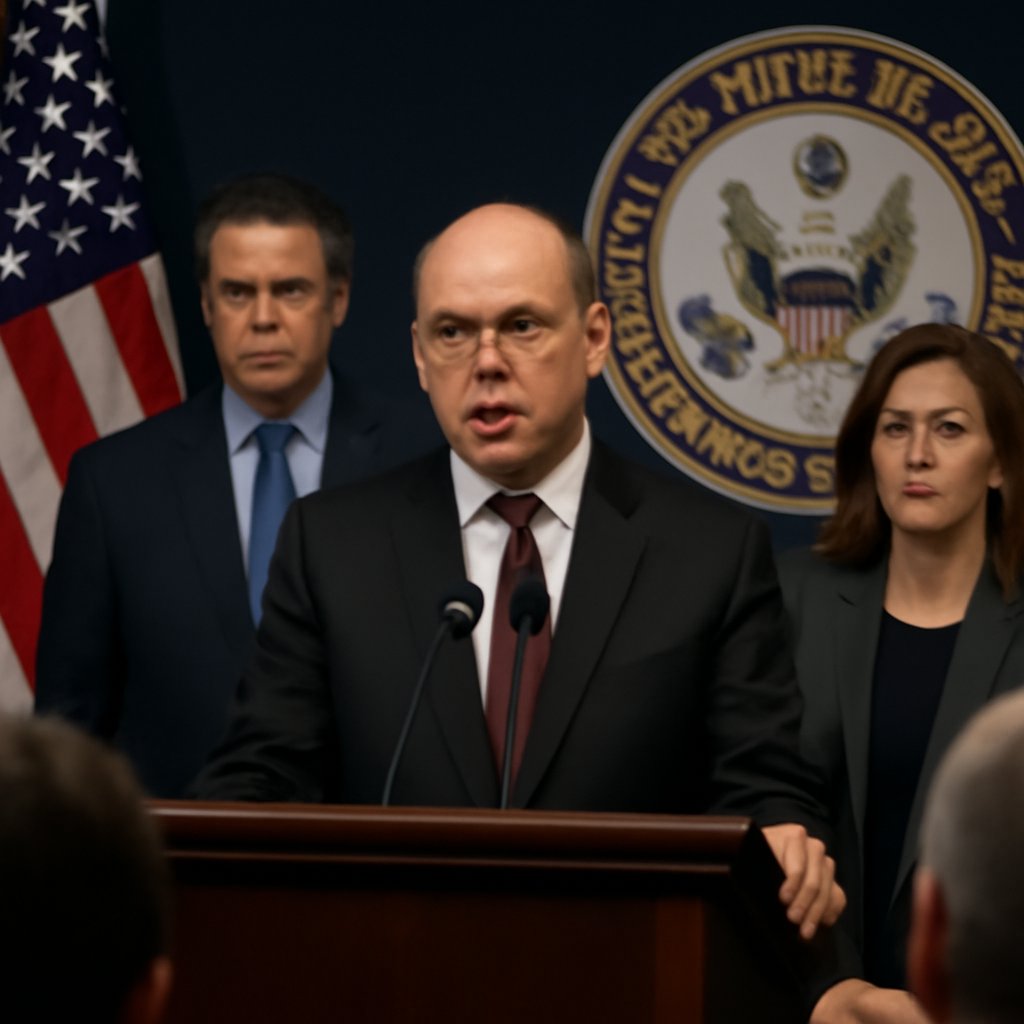
The House Rules Committee may operate in the shadows of more headline-grabbing panels, yet its grip on the legislative calendar gives majority-party leaders—and the donors who fund their priorities—an outsized say in what reaches the floor and what gets buried. As a Latina journalist covering Washington accountability, I’ve seen how procedural maneuvers often trace back to the same networks of campaign contributions and lobbying disclosures that shape so much else on Capitol Hill.
Its origins stretch to 1789 as a select committee before becoming a standing body in 1849. Power consolidated sharply in the late nineteenth and early twentieth centuries under Speakers Thomas Reed and Joseph Cannon, who turned the panel into a central instrument for controlling the agenda. The 1880s reforms under Reed handed it decisive sway over the calendar; the 1910 revolt against Cannon trimmed some authority, only for later rules changes to restore much of it. Post-1970s adjustments brought greater public visibility without loosening its core gatekeeping role.
Today the committee issues special rules that dictate whether bills receive open, closed, or structured debate—decisions that directly limit or expand amendment opportunities. It functions less as a policy drafter and more as the House’s procedural traffic cop, determining which measures advance and under what conditions. The financial disclosures tell a story the press releases don’t: members, typically nine from the majority and four from the minority, often receive substantial support from the same industries whose legislation they help fast-track or stall.
Understanding the three primary categories of special rules illuminates how the committee shapes legislative outcomes. Open rules allow any member to propose amendments germane to the bill’s subject matter, theoretically maximizing debate and democratic participation. Closed rules prohibit all amendments except those proposed by the committee reporting the bill, effectively locking in the version approved by the sponsoring committee. Structured rules, the most common in recent decades, establish a specific list of pre-approved amendments that may be offered, creating a middle ground that balances efficiency with some member input. This categorization reflects a fundamental tension: majority-party leaders desire swift passage of their agenda, while minority members and back-benchers seek opportunities to shape legislation or highlight partisan divisions.
Those special rules have grown more restrictive over time. Closed rules, which sharply curtail amendments, climbed from roughly 20 percent of major bills in the 1990s to more than 50 percent in recent sessions. More than 90 percent of significant legislation now passes through some form of committee rule before floor consideration. The panel processes hundreds of such rules each Congress, shaping everything from appropriations and healthcare packages to infrastructure measures. Campaign-finance records show that leadership tends to appoint reliable allies whose own donor bases align with the Speaker’s priorities on defense, budget, and domestic policy.
The composition of the Rules Committee itself reflects the balance of power within the House majority. The Speaker traditionally appoints all nine majority members, granting extraordinary control over committee direction compared to other standing committees, where appointment authority is more decentralized. This concentration of power means that dissidents within the majority caucus have limited recourse if they oppose the Speaker’s agenda on a procedural question. Conversely, the minority’s four slots, while proportionally smaller, allow opposition members a platform to voice objections and propose alternative rules, even when they lack the votes to prevail. During periods of narrow majorities, individual members have occasionally leveraged their Rules Committee seats as bargaining chips in broader leadership negotiations.
In recent years the committee has coordinated closely with Senate counterparts and White House officials to smooth paths for administration-backed bills—or to spotlight partisan differences during divided government. Lobbying disclosures filed with the Clerk of the House reveal how outside groups invest heavily in influencing the timing and amendment structure of these rules, knowing that procedural outcomes often determine whether bipartisan compromises survive or die quietly. Trade associations, labor unions, environmental organizations, and business coalitions all maintain relationships with Rules Committee members and staff, recognizing that winning at the committee stage can prove as important as winning committee markups on policy substance.
A handful of key data points underscore the committee’s dominance: it usually holds a 13-member roster with a 9-4 majority edge; only a small fraction of rules ever face defeat on the floor; and its decisions affect member participation across the legislative calendar. These mechanics remain central to tracking how money and access translate into legislative results. Historically, floor defeats of Rules Committee proposals occur fewer than a dozen times per Congress—a striking endorsement rate that suggests either exceptional competence or, more likely, that the committee’s political judgment about what will pass enjoys widespread deference from the full House membership.
The committee’s work also extends to suspension of the rules, a parliamentary procedure allowing the House to bypass normal order entirely with a two-thirds supermajority vote. While ostensibly reserved for noncontroversial or emergency measures, suspensions have become increasingly common for legislation the majority wishes to fast-track without amendment. Rules Committee members help coordinate these suspensions and advise leadership on which bills possess sufficient bipartisan support to navigate the higher supermajority threshold. This has raised concerns among government-watchdog groups that significant legislation sometimes passes under suspension with minimal debate or amendment opportunity.
Media coverage of the Rules Committee remains sparse despite its influence, partly because procedural questions lack the visceral appeal of healthcare or tax policy debates. This visibility gap means that outside stakeholders and members of Congress themselves often lack detailed understanding of how procedural decisions shape outcomes. Citizens seeking to understand why their preferred legislation stalled or their opposed bill advanced may find the answer in Rules Committee deliberations they never heard about. This information asymmetry benefits incumbent leadership and well-connected interest groups while disadvantaging grassroots advocates without Washington lobbying infrastructure.
The committee occasionally becomes the subject of partisan controversy when the majority employs rules to prevent minority amendments highlighting divisive votes. In such instances, minority members may offer alternative rules—procedural motions that receive debate and a vote before the committee’s recommended rule is considered. While these alternative rules rarely succeed, they create opportunities for messaging and allow opposition members to frame the debate on their terms. These floor fights over procedure, though arcane to casual observers, often contain the sharpest partisan rhetoric of the legislative day.
Ultimately, the committee’s procedural authority continues to steer what Congress considers and what it ignores. Following the money through campaign-finance filings and lobbying reports makes clear that the real contest over legislation often begins long before any vote is called. Understanding the Rules Committee requires recognizing it not as a mere administrative body but as a political actor wielding real power over which voices get heard, which ideas get serious consideration, and which bills become law.
Sources
- Reuters Politics – Breaking news and analysis on U.S. political developments
- AP News – U.S. Politics – Latest coverage of Congress and legislative matters
- NPR Politics – In-depth reporting on U.S. government and political news
- Politico Congress – Coverage of House, Senate, and legislative procedures
- House.gov – Official information about the House Rules Committee