
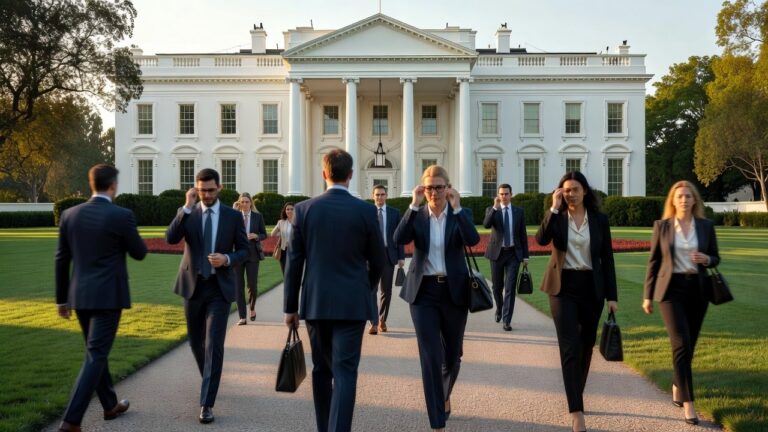
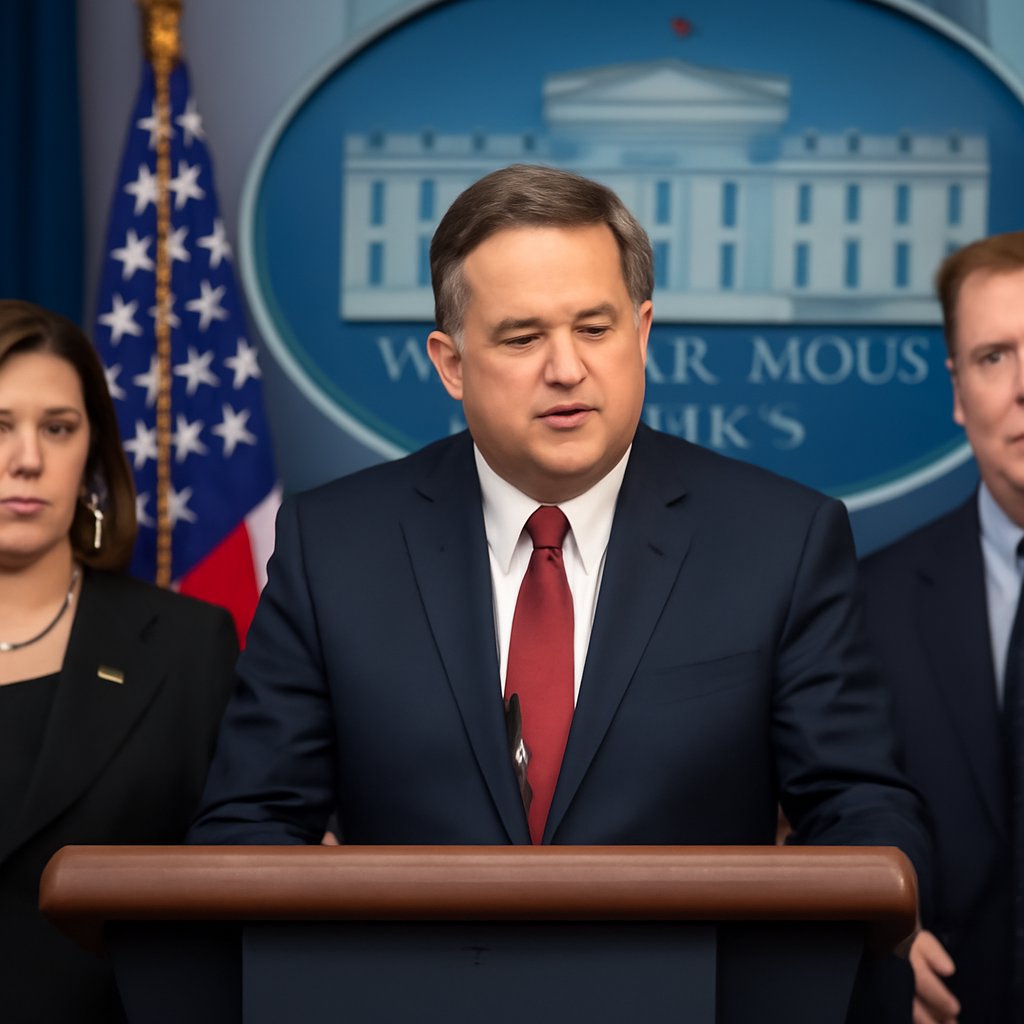
The White House Chief of Staff functions as a central unelected operator whose decisions ripple through legislative outcomes and shape the electoral terrain for both parties. When you model this role against historical election patterns, its influence on everything from budget negotiations to crisis messaging becomes clear in how it affects midterm swings and reelection margins.
Core duties center on gatekeeping access to the Oval Office while overseeing a White House staff that routinely exceeds 400 personnel. This includes streamlining policy priorities into directives that align with congressional realities, where the Chief often brokers deals during divided government. Demographic breakdowns in past administrations show that effective coordination on issues like healthcare and immigration has correlated with narrower partisan gaps in suburban voter surveys, though polling methodology from outlets tracking registered voters versus likely voters frequently highlights how internal staff friction can widen those divides.
Historically, the position expanded after World War II from basic scheduling into a power center that now touches Supreme Court picks and national security responses. Figures such as James Baker under Reagan and Rahm Emanuel under Obama demonstrated this evolution by steering major legislation through Congress, patterns that track with shifts in presidential approval ratings across demographic cohorts in subsequent elections. The polling data here paints a complicated picture: strong Chiefs have stabilized messaging during downturns, yet average tenure since 1946 hovers around two years amid more than 30 occupants, with spikes in turnover during second terms that often coincide with eroding support in battleground states.
Interactions with Capitol Hill and the press involve daily briefings and surrogate management that feed directly into public narratives on economic performance. When you examine this electorally, Chiefs who maintain bipartisan channels tend to blunt negative swings among independents in post-legislation polling, even as the role oversees an annual budget surpassing $60 million and handles hundreds of daily visitors without Senate confirmation. Only two women have held the post, a statistic that mirrors broader underrepresentation in senior executive ranks and occasionally surfaces in voter demographic analyses of institutional trust.
Key operational facts remain consistent across cycles: the position requires no confirmation and has driven outcomes from 1990s welfare reform to early-2000s tax legislation. In an era of polarized Congresses, these mechanics continue to determine how presidential priorities translate into measurable electoral consequences.
The daily operational reality of being Chief of Staff involves managing an intricate web of competing interests and priorities within the executive branch. The role demands constant coordination between the President’s stated goals and the political feasibility of achieving them through Congress. This often means the Chief must decide which presidential initiatives receive resources, staff time, and the President’s direct attention. A Chief who effectively prioritizes can multiply the President’s limited political capital, while poor prioritization can lead to scattered efforts that fail to pass legislation or generate public support.
Staff management represents another critical dimension of the Chief’s work. The White House employs hundreds of people across multiple offices, from the National Security Council to the domestic policy staff, communications teams, and administrative personnel. The Chief of Staff must ensure these offices coordinate rather than work at cross-purposes. Without this coordination, different parts of the White House can send conflicting signals to Congress, the media, and the public. Regular staff meetings, clear chains of command, and documented decision-making processes help maintain organizational coherence. When these mechanisms break down, institutional knowledge suffers and staff morale typically declines, leading to higher turnover among talented personnel.
The relationship between the Chief of Staff and the President’s other senior advisors often determines the effectiveness of an administration. Some Presidents maintain a more collegial model where multiple advisors have direct Oval Office access, while others prefer a more hierarchical structure where all major communications flow through the Chief. History shows both approaches have advantages and drawbacks. The collegial model can bring diverse perspectives to presidential decision-making but risks creating conflicting guidance. The hierarchical model ensures clearer decision chains but may filter out important information that other advisors believe the President should hear directly.
Congressional relations constitute a substantial portion of the Chief’s responsibilities. The position routinely involves meetings with House and Senate leadership from both parties, though primarily with the majority party. The Chief must understand the legislative landscape, know which members face reelection pressures in competitive districts, understand individual legislators’ policy priorities, and gauge the realistic timeline for moving bills through committee and floor votes. This intelligence gathering allows the President to time legislative pushes strategically and to target persuasion efforts toward specific legislators whose votes might be winnable. Throughout American history, Chiefs with strong congressional experience—such as Howard Baker under Ronald Reagan—have generally had greater success moving presidential legislation.
Crisis management represents an essential but unpredictable component of the Chief’s duties. When national emergencies occur, from natural disasters to terrorist threats to public health crises, the Chief of Staff coordinates the government’s response. This involves ensuring proper information flow to the President, coordinating between relevant agencies, and managing the public communications strategy. The performance during crises often becomes a defining moment for a Chief’s tenure. A well-managed crisis response can boost public confidence in an administration, while a bungled response can undermine an administration’s credibility and competence.
The budget process offers another arena where the Chief exerts substantial influence. Every year, the White House develops a proposed federal budget that reflects presidential priorities. The Chief oversees this process by ensuring that budget decisions align with broader strategic goals and by moderating disputes between agencies competing for limited resources. Because the federal budget runs into trillions of dollars and touches virtually every policy area, decisions made during budget negotiations carry enormous consequences. The Chief must balance the President’s programmatic ambitions against fiscal constraints and congressional appetite for the proposals.
Succession planning rarely receives public attention, yet effective Chiefs think strategically about developing talent within the administration. By identifying and promoting capable staff members, Chiefs can build deeper benches of experienced personnel ready to assume higher roles. This benefits both the current administration by having qualified people in important positions and helps the broader executive branch by maintaining experienced personnel. Conversely, Chiefs who fail to develop talent or who purge experienced staff can leave administrations vulnerable when unexpected departures occur.
The intersection of staff operations with public perception remains constant. Every action taken within the White House eventually becomes subject to media scrutiny. How the Chief manages internal processes affects not only efficiency but also how the administration is perceived publicly. Transparent, professional processes that respect dissenting views tend to foster more positive perceptions than closed-door operations shrouded in mystery. This reality has become more pronounced in the modern media environment where information leaks more readily and where social media amplifies stories about internal dysfunction.
Sources
- White House Official – Statements and releases from the Executive Office
- Reuters Politics – U.S. political news and analysis
- AP News U.S. Politics – Associated Press political coverage
- NPR Politics – National Public Radio political reporting
- Politico White House – Coverage of White House operations and staff