
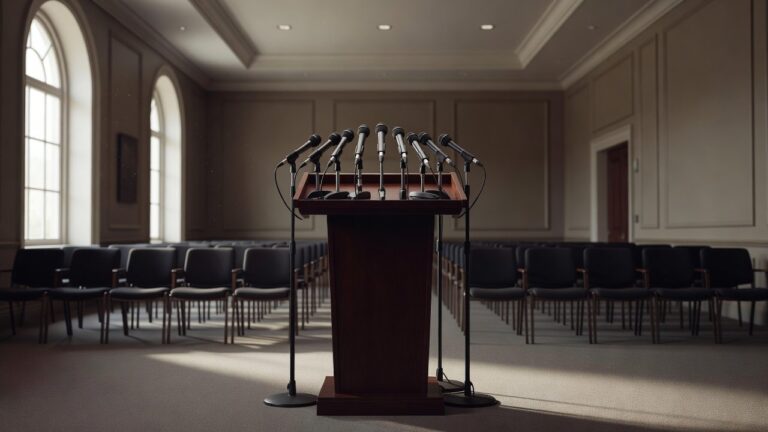
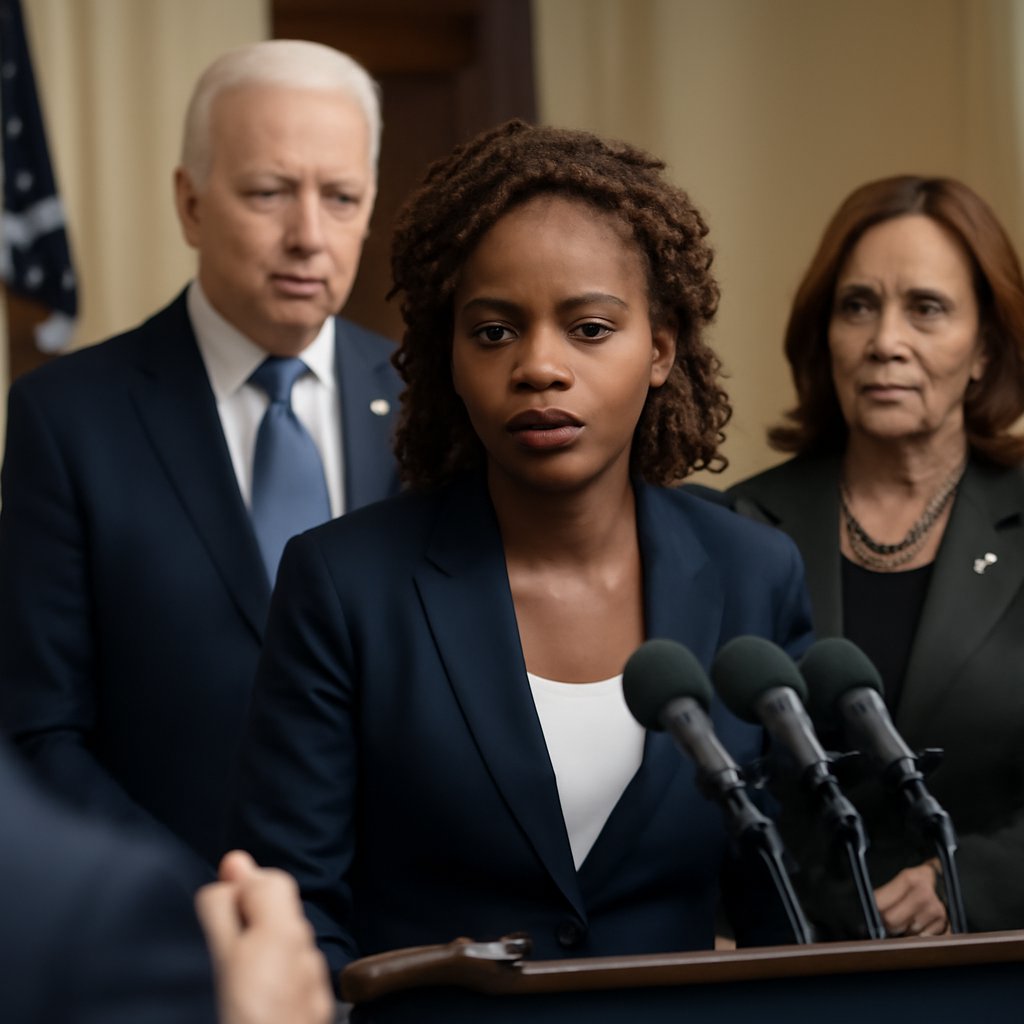
The role of the White House press secretary has grown into a linchpin for any administration seeking to control the flow of information amid relentless media cycles and partisan warfare. In practice, this position serves as the public face managing narratives on everything from budget fights to foreign policy, while the real power dynamics often play out behind closed doors through campaign finance records and lobbying disclosures that rarely surface in daily briefings.
As a Latina journalist covering Washington accountability, I’ve watched how the position traces back to informal media handlers in the early 1900s before formalizing under Franklin D. Roosevelt to steer coverage through the Great Depression and World War II. The expansion accelerated with television and then digital platforms, turning the office into a rapid-response operation that must now counter real-time scrutiny on X and cable outlets. This shift mirrors broader changes in how the public learns about congressional actions and executive priorities.
Daily briefings remain the core duty, with the press secretary fielding queries on legislative gridlock, election developments, and policy initiatives. Behind the podium, coordination with senior advisors ensures messaging aligns with the administration’s goals while preparing for pushback. The financial disclosures tell a story the press releases don’t, revealing how outside groups with millions in dark money often shape the very topics that dominate those exchanges.
In election cycles, press secretaries prep surrogates and run rapid-response operations during debates or scandals, directly affecting how voters perceive congressional votes and White House records. Crisis moments, such as shutdown threats or high-stakes nominations, demand quick pivots that balance selective transparency against protecting ongoing negotiations. Campaign finance data frequently exposes the donor pressures lurking beneath these communications strategies.
The position’s reach extends into framing administration achievements on issues like healthcare or infrastructure, countering opposition from Capitol Hill. By timing releases and managing access, press secretaries can elevate favorable coverage while muting controversies. Yet partisan fragmentation and social platforms have made missteps instantly viral, demanding skills that go far beyond traditional briefing room performance.
Key records show George Akerson became the first official White House press secretary in 1929 under Herbert Hoover. Modern occupants average around 200 briefings annually on topics spanning budget talks to treaties. Viewership of those sessions jumped more than 300 percent during the 2020 cycle. Women have occupied the role five times since 1993, and typical tenures last two to four years, often ending with elections or controversies.
Lobbying filings add another layer, documenting the millions spent by interests seeking to influence the policies that press secretaries must defend or deflect. As media environments grow more fragmented, success hinges on blending podium command with digital agility while the underlying money trails continue to shape what reaches the public.
The evolution of the press secretary role reflects broader transformations in American political communication. During the Reagan administration, the position gained additional strategic weight as the White House adopted more sophisticated media management techniques, including controlled photo opportunities and coordinated messaging across multiple channels. This professionalization continued through subsequent administrations, with modern press secretaries often coming from backgrounds in political communications, journalism, or strategic marketing rather than traditional journalism alone.
The technical demands of the job have expanded dramatically. Contemporary press secretaries must maintain expertise not only in national security, economic policy, and domestic affairs but also in digital communication strategies, social media dynamics, and international news cycles. They coordinate with communications directors, speechwriters, and policy teams to ensure consistency across all public-facing statements. This coordination prevents contradictions that could be weaponized by opposition parties or exploited by media outlets seeking controversy.
The briefing room itself has become a stage where both substance and performance matter equally. Press secretaries must demonstrate confidence while acknowledging limitations on what they can disclose. Some have gained prominence for their wit or rhetoric—think of James Brady under Ronald Reagan or Jen Psaki under Joe Biden—while others have struggled with hostility from media figures seeking confrontational exchanges. The ability to deflect questions without appearing evasive, to concede ground strategically, and to pivot conversations toward favorable topics represents core competencies that distinguish successful press secretaries from those whose tenures end in controversy.
Research into press secretary effectiveness shows that their influence on public opinion is measurable but limited. While they can shape how stories are framed and which narratives gain traction, underlying political realities and major events ultimately drive public perception more powerfully than any communications strategy. During economic crises or military conflicts, no amount of messaging discipline can overcome negative conditions. Conversely, during periods of stability and growth, skilled press secretaries can amplify positive developments and minimize attention to administrative weaknesses.
The relationship between the press secretary and the media corps has traditionally involved an implicit bargain: journalists ask tough questions while the press secretary provides information and context that serves both the administration and the public’s need for clarity. However, this equilibrium has fractured in recent years as partisan media outlets have increased, and as the line between news and opinion has blurred. Press secretaries now navigate interactions with outlets ranging from serious news organizations to commentary-driven channels, each with distinct objectives and standards for verification.
Women and minorities who have served as press secretary have often brought additional scrutiny to the position, with media analysis frequently focusing on their personal style, appearance, and communication methods in ways male predecessors rarely encountered. This dynamic reveals how the press secretary role intersects with broader representation questions in politics. The visibility of these figures means they become symbols for their administrations’ stated commitment to diversity, adding an extra layer of pressure beyond the already demanding job requirements.
The financial and career implications of the position have shifted as well. Former press secretaries increasingly transition into lucrative media positions, consulting roles, or political campaigns, creating potential conflicts of interest around their post-White House activities. Some have authored books detailing their experiences, offering insider perspectives that influence public understanding of administration decision-making. These post-tenure activities can enhance or damage an administration’s reputation depending on what former press secretaries choose to reveal or criticize.
Looking forward, the press secretary role will likely continue evolving alongside changes in media consumption and political polarization. The rise of influencers, podcasts, and algorithmic news feeds means that traditional briefing room moments reach smaller audiences than in previous eras, yet viral moments from those briefings can dominate discourse for days. This paradox—simultaneous decline in live briefing viewership and increased potential for specific moments to achieve outsized impact—shapes how modern press secretaries calibrate their performance and strategy.