
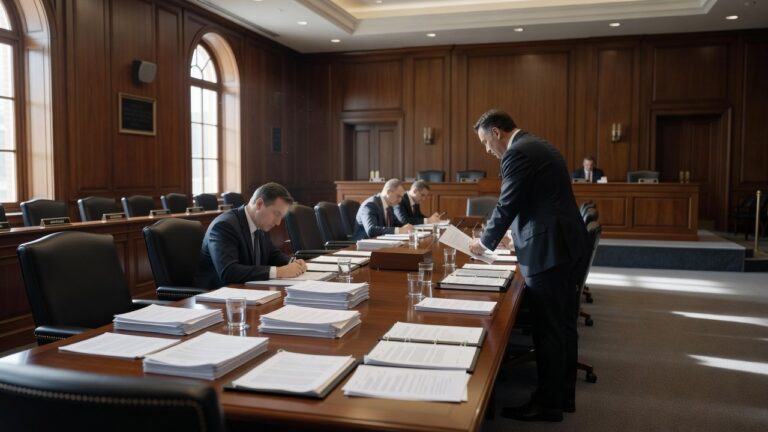
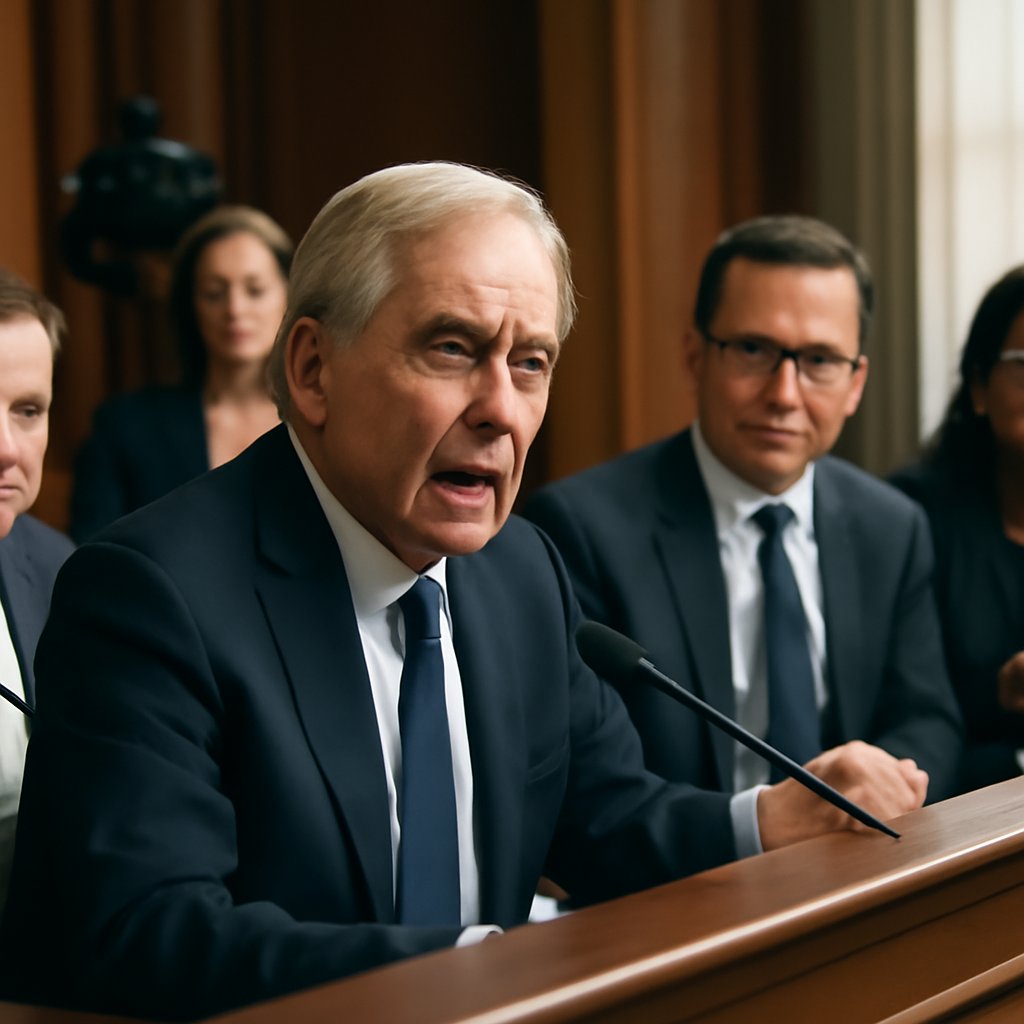
Committee markup sessions function as the hidden engine of congressional legislating, where the real alterations to bills take shape long before floor votes. When you map these proceedings onto the electoral landscape, the data shows they quietly calibrate the records that candidates carry into battleground districts and states.
The basics trace back to standard procedure: after hearings, standing committees in both chambers walk through every provision, with staff building amendment trees and members proposing line-by-line revisions. The House Ways and Means Committee and Senate Judiciary Committee exemplify this, where chairs set the order and majorities typically prevail on contested changes. Historical patterns from the past three decades indicate that more than 90 percent of substantive alterations to major legislation still originate here rather than on the floor, a continuity that holds across both unified and divided government.
Understanding the procedural mechanics of markup sessions requires examining how committees structure their time and deliberations. The chair of a committee wields considerable power in determining which amendments receive consideration, in what order they appear, and how much floor time each receives. This gatekeeping function means that chairs from the majority party can strategically suppress minority amendments they view as politically damaging or substantively problematic. Conversely, committees sometimes adopt amendments from the minority party when bipartisan consensus emerges or when the sponsoring amendment addresses a genuine technical issue that both sides recognize. The formal rules governing markup procedures vary slightly between House and Senate committees, with the Senate typically allowing more extended debate on individual amendments, while House committees often operate under time constraints that compress deliberation into tighter windows.
The amendment process itself generates measurable political signals. In high-stakes markups on infrastructure or appropriations, hundreds of proposals can surface, with voice or recorded votes creating the paper trail analysts later mine. Minority-offered amendments succeed less than 15 percent of the time in polarized settings, yet those defeats often serve as the raw material for campaign messaging. The polling data here paints a complicated picture: voters in suburban swing counties respond more to specific amendment fights on regulatory scope or funding formulas than to broad party labels, according to demographic breakdowns in recent cycles.
Committee markup sessions also serve a critical informational function within Congress itself. Members use these sessions to educate themselves and their colleagues about the technical details and real-world implications of proposed legislation. Markup discussion frequently surfaces unintended consequences or drafting ambiguities that substantive negotiation can then resolve. This collaborative problem-solving aspect distinguishes markups from purely partisan theater. When committees function at their best, markup sessions produce bills that have undergone rigorous scrutiny and incorporate genuine expertise from members with relevant policy backgrounds. Expert witnesses from agencies, universities, and advocacy organizations sometimes testify during extended markup sessions, providing additional context that informs amendment discussions.
The role of committee staff in preparing markup agendas cannot be overstated. Professional legislative staff working for committee chairs and ranking members spend weeks before major markups building detailed amendment language, analyzing cost implications, and flagging potential conflicts with existing law. This institutional memory and technical capacity means that staff often shape the contours of legislative debate as much as the elected members themselves. Junior members new to committees frequently rely heavily on staff recommendations when deciding how to vote on amendments, particularly on technical or specialized subjects outside their primary expertise. The quality of committee staff varies across committees, with well-funded panels like Appropriations and Ways and Means maintaining larger professional teams than smaller committees.
When you model this electorally, the House’s 1,200-plus markup sessions during the 117th Congress translate into ammunition that appeared in over 40 percent of 2022 advertisements referencing congressional voting history. Appropriations panels alone account for roughly 60 percent of annual markups, concentrating activity in areas that directly touch district-level spending priorities. High-profile sessions routinely stretch beyond eight hours once multiple amendments queue up, extending the window for both parties to test messaging that later migrates into midterm or presidential targeting.
The strategic deployment of amendments at markup sessions reveals how members position themselves for future electoral contests. Members from competitive districts often introduce amendments designed to generate roll-call votes that demonstrate their commitment to constituent interests or party principles. A representative from a district dependent on agricultural exports might introduce amendments to trade bills affecting tariff structure, creating a vote that can be highlighted in campaign advertising. Similarly, members from districts with significant manufacturing bases frequently offer amendments touching labor standards or workplace regulations. These votes become particularly valuable in primary elections, where they signal ideological alignment to base voters in ways that general-election audiences may not prioritize as heavily.
These sessions also surface internal party divisions on issues such as voting rights and climate provisions, divisions that polling of primary electorates often registers more sharply than general-election surveys. The Democratic caucus, for instance, has experienced significant internal markup debates over climate provisions, with progressives pushing for aggressive emissions reduction targets while moderates from coal or energy-producing regions advocate for slower timelines or exemptions for certain industries. Similarly, Republican markups on appropriations bills often pit members concerned about government spending against those representing districts receiving substantial federal funding, creating tension over which programs should face cuts. These divisions, when captured on recorded votes, become primary election fodder for challenger candidates seeking to portray incumbents as insufficiently committed to core party principles.
White House signals during markup—whether through veto threats or supportive talking points—further align congressional action with presidential standing in key Electoral College states. Administration officials sometimes testify at markup sessions to convey presidential positions on specific amendments, effectively mobilizing executive branch resources to influence committee decisions. A presidential veto threat on an amendment can substantially depress support among members of the president’s own party, while endorsement from the White House can boost amendment prospects among wavering members. The coordination between the White House and congressional leadership on markup strategy varies across administrations, with some presidents taking a hands-off approach while others maintain constant communication about amendment priorities.
The transparency (or lack thereof) surrounding markup sessions represents an ongoing tension in congressional operations. House and Senate committees now routinely make markup sessions available to the public through live video streaming and published amendment lists, increasing accountability compared to earlier eras. However, the sheer volume of technical language and procedural maneuvering means that even interested constituents often struggle to parse the significance of specific amendments. This information asymmetry benefits organized stakeholder groups with professional staff monitoring committees closely, while individual constituents or casual observers may miss important developments affecting their interests.
The result is a feedback loop where technical edits become quantifiable data points for challengers and incumbents alike, shaping voter perceptions without ever reaching the full chamber debate. Understanding committee markups thus remains essential for anyone seeking to comprehend how Congress actually functions and how legislative decisions ultimately reach the public in recognizable form.