

The confirmation process for cabinet picks stands as one of the Senate’s most direct levers for checking presidential power, yet the real accountability often surfaces not in opening statements but in the financial disclosures and lobbying histories that nominees must submit. As a Latina journalist covering Washington, I’ve seen how these records expose the web of campaign contributions and industry ties that press releases never mention.
Article II of the Constitution anchors the entire system, giving the Senate explicit advice-and-consent authority over principal officers. The framers built this safeguard precisely to prevent an executive from installing loyalists without scrutiny. Senate rules and precedents have layered on top of that foundation, turning what began as a formality into a months-long examination of finances, associations, and potential conflicts.
In the early republic, confirmations moved quickly and with little debate. Washington’s nominees sailed through. By the nineteenth century, sectional fights produced outright rejections. The twentieth century added FBI background checks and public hearings as the administrative state grew and national-security concerns intensified.
Today the sequence begins the moment a nominee’s name is announced. Formal paperwork lands on Senate desks, triggering FBI reviews that comb through decades of tax returns, bank records, and contact lists. The financial disclosures tell a story the press releases don’t: prior lobbying registrations, bundled campaign donations, and stock holdings that could intersect with an agency’s regulatory reach. That phase alone weeds out candidates before any senator casts a public vote.
Nominees must complete the Standard Form 86, a 127-page questionnaire that requests exhaustive personal, employment, and financial history. This document, combined with the Office of Government Ethics financial disclosure forms, creates a paper trail that investigators follow for months. The SF-86 asks about foreign contacts, drug use, criminal history, and financial troubles—any vulnerability that could be exploited or present a security risk. Discrepancies or omissions on these forms have derailed nominations even when policy disagreements never surfaced. A single unreported foreign bank account or undisclosed consulting contract can trigger ethics violations and public scrutiny that proves fatal to a nomination.
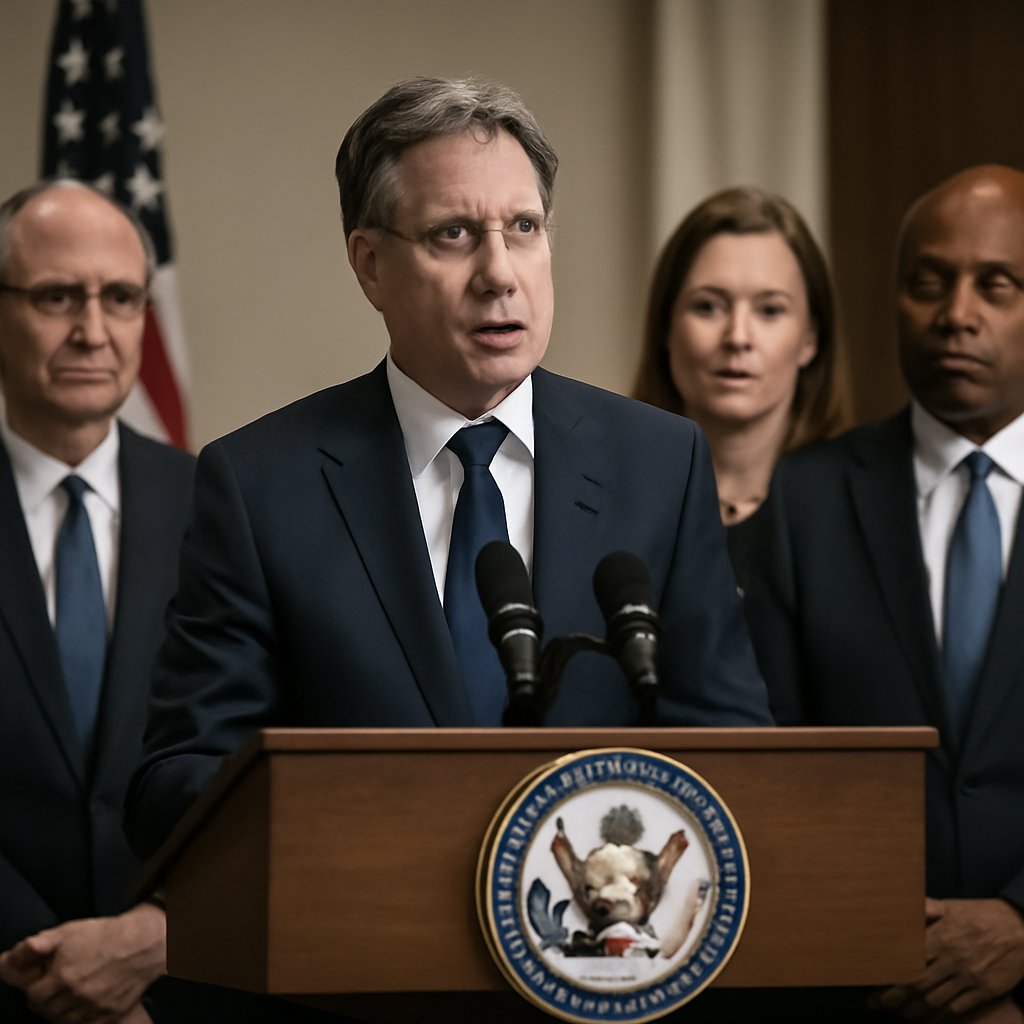
Relevant committees then hold hearings. Defense nominees face Armed Services; Treasury picks sit before Finance. Senators probe policy views and past statements, but the sharpest exchanges frequently center on ethics agreements that limit future lobbying work or require divestitures. These sessions are broadcast live, turning private financial arrangements into public accountability moments.
The committee hearing itself has evolved into theater with real consequences. Senators now prepare exhaustively, often submitting written questions before the public hearing begins. Nominees typically receive briefing books hours or days in advance, preparing them for anticipated lines of attack. Yet unexpected questions do emerge, especially when a nominee’s record includes controversial statements or contradictions. Committee staff conduct pre-hearing meetings where they drill nominees on likely questions, and outside groups mobilize to create public pressure through television and social media campaigns. A nominee’s performance in these hearings can shift votes, particularly among senators in competitive districts who face electoral consequences for their confirmation decisions.
Once a committee reports a nomination, the full Senate debates and votes. A simple majority now suffices after rules changes eliminated the 60-vote filibuster threshold for most nominees. Recess appointments, once a workaround for delays, were sharply curtained by the Supreme Court in 2014. Post-confirmation, former officials remain bound by cooling-off periods that restrict their ability to lobby the very agencies they led.
The elimination of the 60-vote filibuster for cabinet nominees in 2013 represents one of the most consequential changes to the confirmation process in modern history. Initiated by Senate Democrats and then expanded by Republicans in 2017 to apply to Supreme Court justices, this rule change fundamentally altered the math of confirmations. Previously, a determined minority could delay indefinitely by withholding the 60 votes needed to invoke cloture. Now, any nominee with 51 votes in their favor will be confirmed, provided all senators of the majority party remain unified. This has accelerated confirmations but also intensified partisan polarization, as minority-party senators no longer need to negotiate with the majority to preserve their interests.
Partisan gridlock has stretched timelines dramatically. Average confirmation periods have more than doubled since the 1980s. High-profile withdrawals often trace back to undisclosed lobbying ties or campaign-finance entanglements rather than policy differences alone. Reform proposals surface regularly—shortening background checks for subcabinet roles or tightening disclosure thresholds—yet the core tension remains: thorough vetting versus the need for a functioning executive branch.
The delays themselves carry real costs. When cabinet positions sit vacant or staffed only by acting officials without Senate confirmation, agency decision-making slows. Permanent officials can sign certain documents and make binding commitments; acting officials often cannot. This ambiguity creates gridlock on major policy initiatives, regulatory enforcement, and long-term strategic planning. A vacant Treasury secretary position during a financial crisis or an unfilled Defense secretary seat during an international conflict can have tangible economic and national-security consequences. Presidents thus face pressure to nominate quickly, sometimes sacrificing vetting rigor, while senators face constituent complaints when agency services slow.
The Senate has rejected only nine cabinet nominees outright since 1789. Every position except the vice presidency still requires confirmation. Background investigations routinely involve hundreds of interviews and exhaustive financial reviews. Women and minorities have claimed a growing share of confirmed posts since the 1990s. Most rejections happen in committee, not on the floor. Confirmation rates fall noticeably during divided government. Public hearings shape voter perceptions, and ethics agreements continue to bar former officials from immediate lobbying.
Beyond formal rejections, the confirmation process produces meaningful outcomes through forced withdrawals. Since 1981, more than 100 Cabinet-level nominees have withdrawn before a vote. These withdrawals often represent a form of hidden accountability: a nominee with a problematic record decides continuing is untenable once their background becomes subject to public scrutiny. The threat of withdrawal sometimes prompts ethics negotiations—a nominee divests from a particular industry, places assets in a blind trust, or commits to recusing from certain decisions. These compromises, though invisible in final confirmation votes, shape how confirmed officials actually govern.
The timing of confirmations intersects with the political calendar in ways that affect outcomes. Nominations announced during a president’s honeymoon period immediately after inauguration typically face fewer delays. Confirmations proceeding into a president’s final year, especially during an election cycle, face heightened resistance from the opposing party seeking to limit the administration’s remaining agenda. Presidents are acutely aware of these dynamics and often front-load controversial or difficult confirmations early in their tenure when political capital is highest.
International considerations also play a role, particularly for nominees to the State Department and Defense. The Senate investigates foreign policy views, previous statements about adversaries, and any financial interests in nations that could present conflicts. Tensions with major powers can intensify scrutiny of national-security officials, while allies’ concerns occasionally surface during hearings. A Defense secretary nominee with extensive ties to defense contractors faces questions about whether they can objectively oversee the military-industrial complex.
The process remains a constitutional checkpoint, but its effectiveness hinges on whether senators actually use the financial and lobbying data in front of them to enforce real accountability. Public engagement with confirmations ebbs and flows. Some hearings draw millions of viewers and spawn sustained media coverage; others proceed with minimal public awareness. Organized advocacy groups, from labor unions to environmental organizations to industry associations, attempt to mobilize constituent pressure on senators, particularly in swing states. This grassroots dimension can shift close votes, making public participation a real check on executive power when citizens choose to exercise it.
Sources
- U.S. Senate – Senate Confirmations – Official Senate procedures for cabinet confirmation
- The White House – Briefing Room – Official statements on cabinet nominations and confirmations
- Politico – Cabinet Confirmation Coverage – In-depth reporting on cabinet confirmation processes
- AP News – Breaking news and analysis on cabinet confirmation hearings