
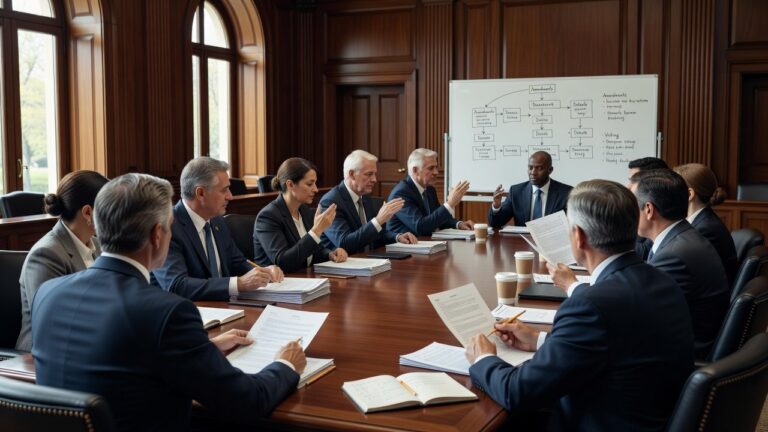
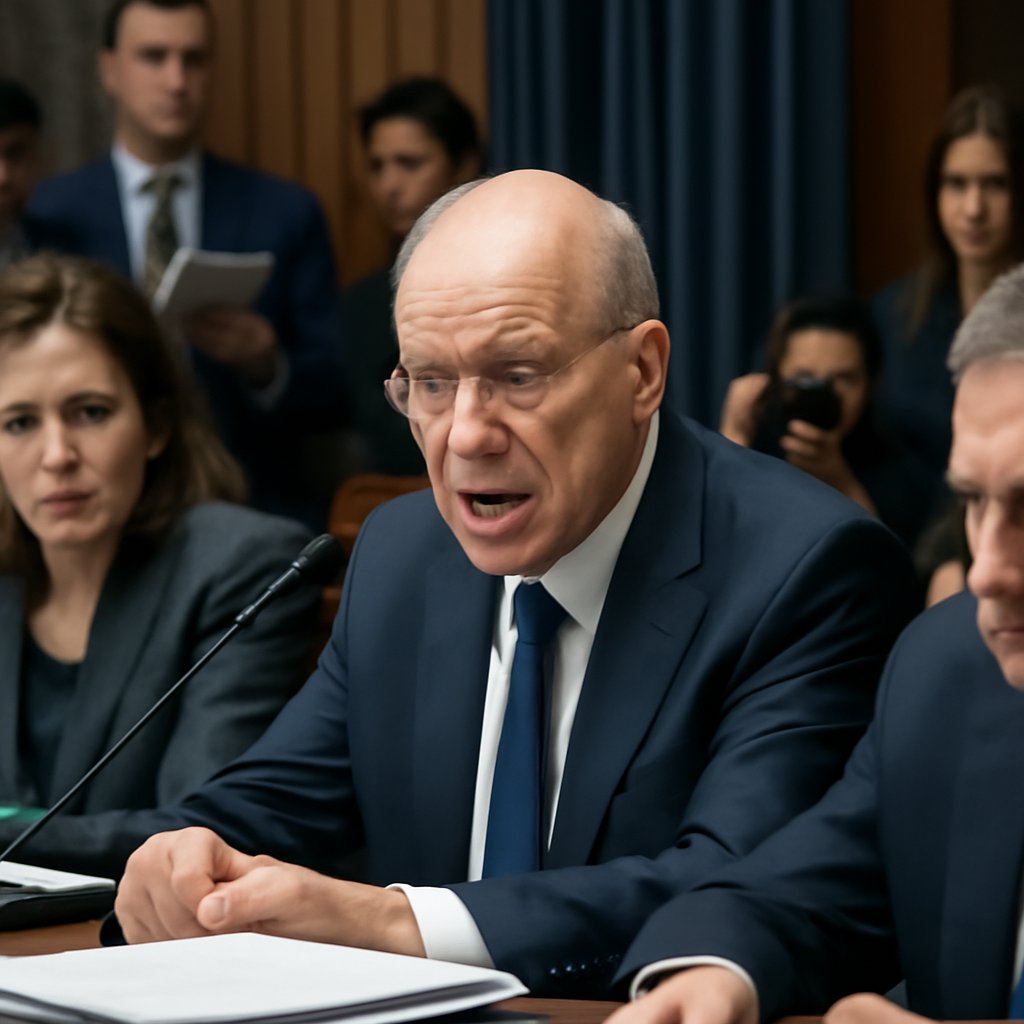
Committee markup sessions represent a critical yet often overlooked stage in the legislative process, where members of Congress refine, debate, and amend bills before they advance to the floor. When you model this electorally, these closed-door meetings shape policy outcomes in ways that feed directly into campaign narratives, influencing how voters in key demographic pockets respond during midterms and presidential cycles. The polling data here paints a complicated picture, as recorded amendment votes frequently surface in surveys tracking partisan intensity among independents and suburban cohorts.
In both the House and Senate, standing committees such as the House Ways and Means Committee or the Senate Judiciary Committee gather after initial hearings to review every line of a bill. Staffers prepare amendment trees, and members propose additions, deletions, or rewrites that can fundamentally alter a measure’s scope. This process ensures that legislation reflects compromises among competing interests before it reaches the full chamber for debate. Historically, similar markup patterns in the 111th and 114th Congresses produced downstream effects on voter turnout models, particularly among working-class demographics in Rust Belt districts.
During these sessions, the chair typically controls the agenda and the order of amendments. Members from both parties offer proposals, but the majority often holds the advantage in voting down unwelcome changes. Even minor edits can carry major implications for funding levels, regulatory authority, and enforcement mechanisms. For instance, language added in markup can expand or restrict executive branch discretion, directly affecting how the White House implements new laws. Bipartisan analysis of past cycles shows these procedural edges rarely shift aggregate polling margins by more than a couple of points, yet they can harden views within specific education-level subgroups.
The heart of any markup lies in the amendment process. Lawmakers submit amendments in advance or offer them spontaneously, leading to extended debate that can last hours or even days. In high-profile cases, such as recent infrastructure or appropriations packages, hundreds of amendments may be considered. Votes are often voice votes or recorded electronically, creating a public record that journalists and analysts use for election coverage. When you break this down by historical election patterns, minority-offered amendments that fail along party lines tend to appear in subsequent polling cross-tabs as evidence of polarization, much like the 2010 and 2022 cycles.
Strategic maneuvering is common. The minority party frequently offers amendments designed to force difficult votes that can later be used in campaign ads. Meanwhile, the majority may use procedural motions to limit debate or bundle amendments into managers’ packages. These tactics highlight how committee markup sessions serve not only legislative but also political purposes, shaping public perception ahead of midterm or presidential elections. The White House often monitors markups closely, providing talking points or veto threats when provisions conflict with administration goals. Demographic breakdowns from recent surveys indicate these signals resonate unevenly, with stronger effects among older cohorts in Sun Belt states.
Committee markup sessions frequently set the tone for larger policy debates. Changes made during markup can resolve contentious issues early, reducing floor fights, or they can expose deep divisions that spill onto the House or Senate floor. Recent examples include markups on voting rights legislation and climate measures, where amendments revealed fault lines within both parties. Such sessions provide rich material for political analysis, as recorded votes offer quantifiable evidence of lawmakers’ positions. The polling data here paints a complicated picture when layered against historical turnout models, showing modest but measurable swings in rural versus metro voter sentiment.
In election cycles, markup records become ammunition. Challengers cite specific amendments their opponents supported or opposed to paint them as extreme. This dynamic elevates the importance of tracking markup outcomes, because seemingly technical edits can dominate campaign discourse. The White House sometimes intervenes by signaling support for certain amendments, thereby aligning congressional action with presidential priorities and influencing how voters perceive the administration’s legislative agenda. Electorally, these interventions have mirrored patterns from the 2009-2010 period, where procedural fights hardened base mobilization in battlegrounds.
Over 90 percent of substantive changes to major bills occur during committee markup rather than on the floor. The House held more than 1,200 markup sessions across all committees in the 117th Congress. Average markup duration for high-profile legislation exceeds eight hours when multiple amendments are pending. Amendments offered by the minority party are adopted less than 15 percent of the time in partisan environments. Markup records have been cited in over 40 percent of 2022 election advertisements referencing congressional voting history. Committees with jurisdiction over appropriations conduct roughly 60 percent of all annual markups.
Committee markup sessions remain essential to understanding how Congress transforms ideas into law. Through careful amendment and debate, these meetings determine the final contours of legislation that affects millions of Americans. As political polarization grows, the transparency and strategic use of markup records will only increase in importance for journalists, analysts, and voters seeking to track influence from Capitol Hill to the White House. A thorough review equips observers with the tools to follow legislation from introduction to enactment with greater clarity, especially when those details feed into future electoral modeling.