
“`html
The White House Correspondents Association has long served as the gatekeeper for journalists covering the executive branch, and its credentialing processes carry direct consequences for how election coverage reaches voters across battleground states. Established in 1914 with fewer than 20 reporters amid inconsistent access under President Woodrow Wilson, the group has expanded to more than 800 members from over 200 organizations, shaping the flow of information that feeds into everything from midterm polling models to presidential approval trends.
Its history shows adaptation across technological shifts and national crises. Early print reporters pushed for radio and television accommodations in the press room, much as today’s board handles digital and social media applications. During World War II and Watergate, the association balanced security needs against transparency demands, setting precedents that still affect how administrations interact with Congress on oversight issues. When you model this electorally, the association’s role in standardizing access during every cycle since Franklin D. Roosevelt creates continuity that influences both national popular vote estimates and state-level demographic breakdowns in key Electoral College states.
Governance rests with a 15-member elected board serving staggered two-year terms, drawn from print, broadcast, and digital outlets to maintain balance. Annual elections select a president who coordinates with White House staff on briefing schedules and security, while committees manage membership, the annual dinner for over 2,500 attendees, and press-freedom advocacy that intersects with congressional legislation. Funding from dues and events exceeds $1.5 million yearly, preserving independence. The polling data here paints a complicated picture: institutional memory within this structure helps sustain impartial coverage even as news cycles accelerate, though smaller regional outlets sometimes struggle for equal footing with national networks.
Daily operations center on reviewing more than 100 new credential applications annually and rotating press pools for roughly 300 events. Criteria prioritize established organizations to avoid overcrowding, yet the association works to include varied perspectives that enrich policy reporting. During high-stakes periods like midterms or major announcements, it allocates limited briefing-room seats and manages live feeds reaching millions. The group has also adapted to pandemic restrictions and social media accreditation, intervening when administrations limit questioning. This matters electorally because uneven access can skew the information environment that shapes voter turnout models in competitive districts.
The credentialing process itself involves detailed vetting by the association’s membership committee in coordination with the Secret Service. Applicants must demonstrate consistent employment with legitimate news organizations and provide documentation of their journalistic background. The Secret Service conducts security clearances separate from the association’s editorial judgment, ensuring that both press freedom and presidential security receive appropriate consideration. This dual-approval system has evolved significantly since the Cold War era, when security concerns were more narrowly defined. Today’s criteria acknowledge that threats to credentialing legitimacy come not only from external actors but also from questions about editorial independence and the authenticity of news organizations themselves.
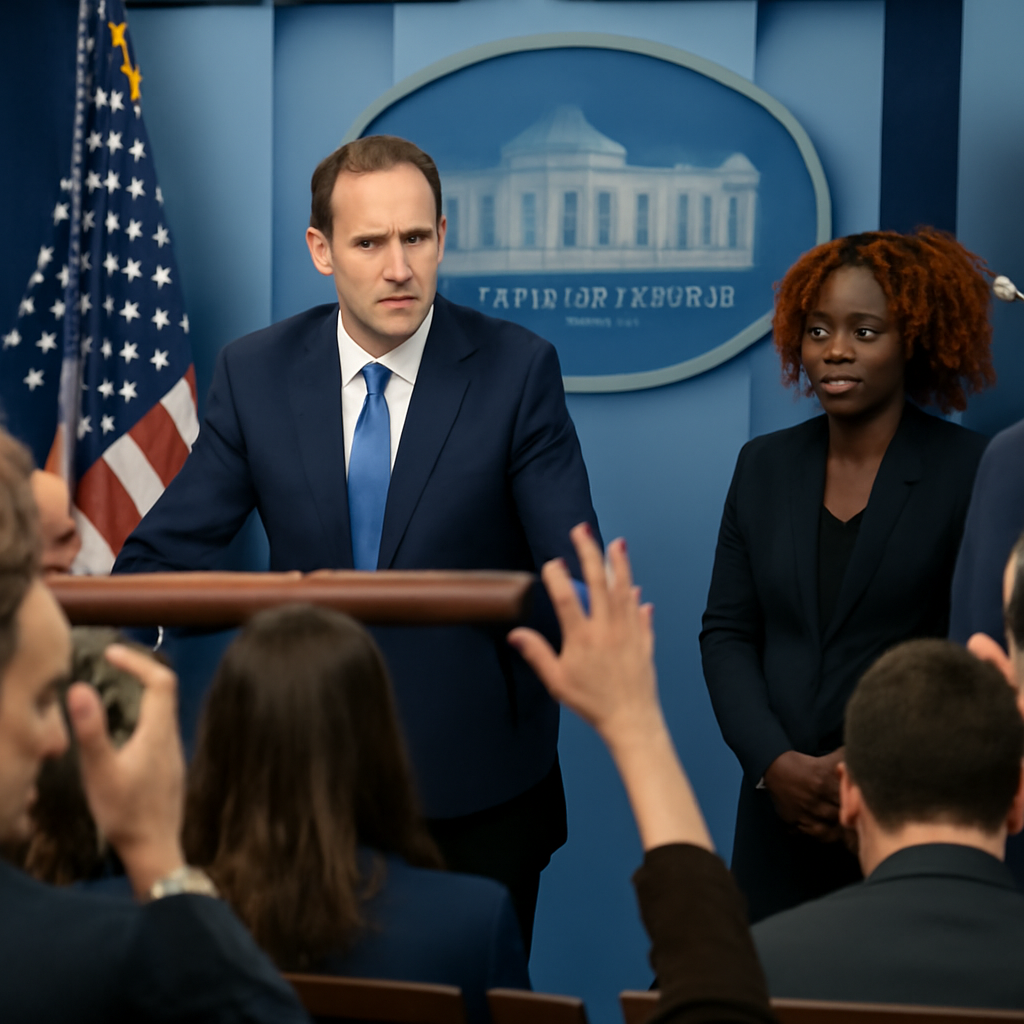
One critical aspect of the association’s work involves managing the daily White House briefing, arguably the most visible interaction between the press corps and executive branch officials. The briefing-room seating chart itself reflects careful negotiation, with the front rows traditionally reserved for wire services, major broadcasters, and the wire services that feed regional outlets. The Press Secretary’s office and the association’s leadership must balance competing interests: ensuring that major stories reach broad audiences while guaranteeing that smaller outlets and specialized correspondents can ask substantive questions. During contentious administrations, these negotiations have occasionally become public disputes, with the association formally objecting to what it perceived as unfair exclusion of particular outlets or journalists.
The association’s role extends significantly into advocacy on press-freedom issues that transcend daily White House operations. Beyond the 15 documented congressional testimonies since 2000, the organization has filed amicus briefs in court cases involving journalists’ shield laws, freedom of information requests, and executive privilege claims. These interventions shape the broader legal framework within which all journalism operates, not just White House coverage. When administrations attempt to restrict press access to certain facilities, limit the scope of questioning, or deny credentials based on editorial content rather than legitimate security concerns, the association frequently mobilizes both public statements and behind-the-scenes negotiations with White House counsel to preserve institutional norms.
The annual White House Correspondents Association Dinner, held since 1921, serves functions beyond its prominent social role. The event raises substantial funding for the organization’s scholarships and training programs while maintaining symbolic importance as a gathering where the sitting president traditionally addresses the press corps in a less formal setting. Attendance fluctuates based on presidential preference—some chief executives have embraced the dinner as an opportunity for self-deprecating humor, while others have boycotted or restricted their participation. These decisions themselves become news events that reflect broader attitudes toward press-executive relations and can influence how subsequent administrations approach media engagement.
Training and professional development represent an increasingly important component of the association’s mission. The scholarship program supports emerging journalists who might otherwise lack opportunities to break into competitive White House coverage. Many of these fellows come from underrepresented backgrounds or smaller markets, gradually moving into more prominent roles within news organizations. This pipeline effect subtly influences the composition and perspectives of the White House press corps over time, making the association’s investment in emerging talent relevant to understanding long-term shifts in how presidential politics are covered and communicated to voters.
The association has also become more active in monitoring and responding to foreign government influence on American journalism. As concerns about state-sponsored disinformation and hostile intelligence operations have grown, the organization has worked with members to educate them about potential infiltration attempts and to maintain transparency about foreign press organizations operating in the United States. This expanded role reflects recognition that press credentialing is not merely about domestic journalism ethics but also about protecting the integrity of American information ecosystems during elections and other sensitive periods.
Historical patterns underscore its steady influence, with documented involvement in 15 major congressional hearings on press freedom since 2000 and advocacy for reforms across administrations. The organization further supports training for over 50 emerging journalists yearly through scholarships. As media landscapes evolve, its blend of precedent and adaptive management continues to underpin accountability, even as rapid cycles test the framework that links White House operations to broader electoral dynamics. Looking forward, the association faces emerging challenges including how to credential independent digital journalists, manage pressures to exclude outlets based on editorial concerns, and maintain relevance as news consumption patterns shift away from traditional briefing-room coverage toward social media and direct messaging from political figures.
Sources
- White House Correspondents Association – Official website with organization details and history
- Reuters – US News section covering White House and press operations
- AP News – US Government coverage including White House press matters
- NPR Politics – Reporting on White House operations and press access
- Politico – White House coverage and press briefing analysis
“`