
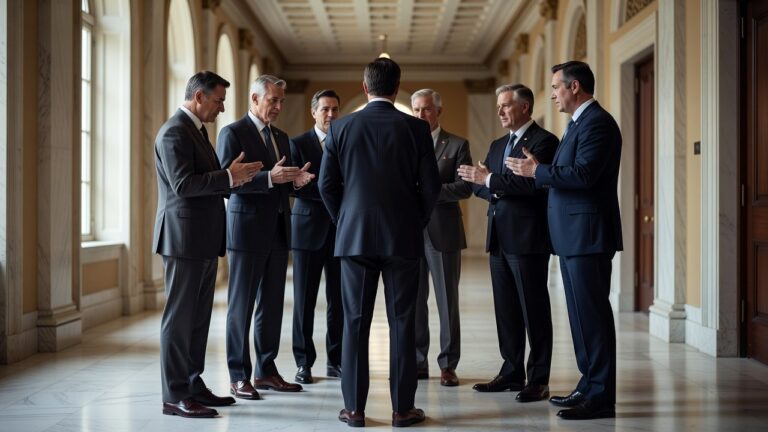
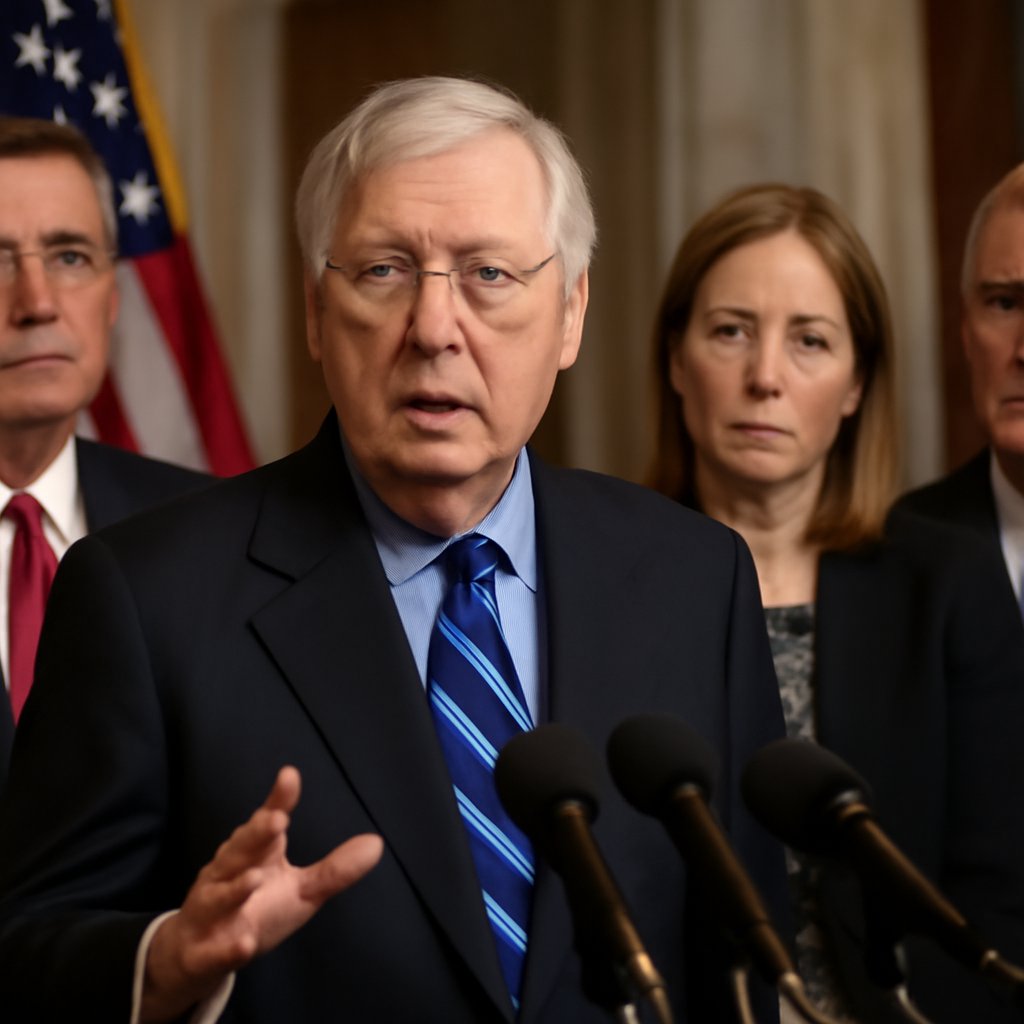
As a Latina journalist covering Washington accountability, I’ve watched how the Senate’s quiet traditions around blocking nominees often reveal more about leverage than about principle. How senators use holds on nominations stands as one of the chamber’s most potent yet unofficial weapons in the confirmation process. Rooted in custom rather than written rules, a hold lets any senator flag objections and stall a presidential appointee, forcing leadership to cut deals or schedule cloture votes that reshape federal agencies, courts, and the executive branch.
The mechanics start with a private notice to party leaders that a senator will object to unanimous consent on a given nominee. Unlike a formal filibuster, this tactic exploits the consent agreements that keep Senate business moving. Once placed, the majority leader shelves the nomination until the hold lifts or gets overridden. Even junior members gain outsized influence because the tactic gums up an already crowded calendar. Senators routinely deploy these holds to wring out policy concessions, extra hearings, or district-specific favors—moves that, as the financial disclosures tell a story the press releases don’t, frequently align with priorities backed by major campaign donors and lobbying interests.
Many holds begin anonymously, tracked only through the cloakroom, before senators go public to generate pressure. This back-channel system lets individual voices carry weight far beyond a single floor vote. The practice took shape in the mid-20th century as the Senate tilted toward greater individual power. It gained traction during civil rights fights and spread to nominations by the 1970s and 1980s, when both parties treated holds as a legitimate minority safeguard. High-profile examples from the Reagan and Clinton years show senators stalling judicial picks they viewed as ideologically hostile. Polarization has since turned the tool into a routine bargaining chip.
In today’s divided Congress, holds often target nominees to extract wins on unrelated issues—say, freezing a State Department pick until foreign-aid questions are answered or delaying an EPA official to advance environmental riders. These maneuvers give smaller-state senators real sway, especially when trading holds for support on must-pass bills. Recent targets have included Federal Reserve and SEC nominees, underscoring how the tactic reaches into economic policy arenas where lobbying expenditures run highest.
The formal process for placing a hold remains deliberately opaque by design. When a senator notifies their party leadership of an intent to object, that senator’s name typically gets recorded in internal memos but does not appear in the Congressional Record immediately. This anonymity feature originated as a courtesy to allow senators space for quiet negotiations without public pressure, but it has evolved into a shield that protects holds from media scrutiny and public accountability. Party whips maintain hold lists updated daily, and these lists function as informal legislative calendars that determine which nominees advance and which languish. The majority leader consults these lists before scheduling confirmation votes, effectively allowing a single senator to hijack the Senate floor’s attention without formal debate or recorded objections.
The consequences of extended holds ripple across the federal government in measurable ways. Vacant positions in key agencies—from the Treasury Department to the judiciary—delay policy implementation and create gaps in institutional knowledge. Career staff members often fill acting roles for months or years, unable to make long-term decisions without confirmation. This uncertainty discourages qualified candidates from pursuing nominations, knowing their path to confirmation may be indefinitely blocked. The Office of Management and Budget has documented how extended vacancies in inspector general positions compromise agency oversight, while unfilled judgeships overwhelm court dockets and delay justice for litigants.
Holds have become particularly weaponized around judicial nominations because federal judges serve lifetime appointments and reshape jurisprudence for decades. A senator opposing a judicial nominee may place a hold not to kill the nomination outright but to extract concessions on an entirely separate legislative priority. This dynamic intensified after the 2016 election, when Republicans accelerated judicial confirmations and Democrats responded with strategic holds on lower-court picks to preserve bargaining power on other fronts. The stakes grew even higher with Supreme Court vacancies, though holds alone cannot block a Supreme Court confirmation—only delay it long enough to force a cloture vote.
Senatorial courtesies, another informal Senate tradition, intersect with holds in complex ways. Under this practice, senators from a nominee’s home state enjoy presumptive veto power over federal judges and certain executive nominees from their state. Holds complement courtesy by allowing home-state senators to object without formal explanation. The combination has occasionally blocked well-qualified nominees simply because they lacked support from their state’s senators, regardless of broader Senate sentiment. This dynamic particularly affects judicial picks, where home-state opposition can doom even bipartisan nominees.
Data from recent Congresses shows holds contributing to average confirmation delays of 200 days or more. Both parties have logged hundreds of such blocks, with spikes during unified government when the minority needs leverage. More than 80 percent resolve through private talks rather than public votes, and judicial nominees absorb a disproportionate share because lifetime appointments carry lasting weight. Cabinet posts draw shorter but sharper holds tied to immediate fights. Reform efforts aimed at curbing anonymous holds have repeatedly collapsed, as rank-and-file members guard the tool’s value.
The Trump administration witnessed strategic Democratic holds on cabinet secretaries, particularly those heading agencies with significant regulatory authority. Senators leveraged these holds to extract commitments on environmental standards, healthcare policy, and immigration enforcement before releasing nominees. When Biden took office, Republicans mirrored the tactic, placing holds on Interior Department nominees over drilling and pipeline disputes and on State Department picks over human rights conditionality. The pattern demonstrates how holds function as negotiating currency in an era of divided government, where traditional legislative compromise has become scarce.
During the Trump years, Democratic holds slowed conservative judicial and regulatory picks; Republican holds later targeted Biden nominees over border and mandate issues. The pattern is bipartisan, and the effect is cumulative: prolonged vacancies that leave agencies understaffed while outside interests continue to file disclosure reports detailing their campaign contributions and lobbying activity. Judicial and cabinet confirmations feel the longest pinch, yet the underlying dynamic remains the same—individual senators using an informal veto to recalibrate who ends up steering federal policy.
The debate over hold reform has persisted for over a decade without resolution. Transparency proposals would require senators to publicly identify their holds within 48 hours, theoretically creating pressure to justify objections. Other proposals would limit how long a single senator can hold a nominee without triggering an automatic floor vote. The Obama and Trump administrations both pushed for hold reforms, recognizing how the tactic impeded their ability to staff executive agencies. Yet the Senate has resisted each reform attempt because majority and minority leaders from both parties benefit from preserving holds as bargaining tools. Individual senators recognize that today’s minority becomes tomorrow’s majority, making the preservation of these procedural weapons a bipartisan interest.
The human cost of extended holds often goes underreported. Nominees endure months of uncertainty, their families experience unwanted public scrutiny, and their careers may suffer reputational damage even if ultimately confirmed. Some qualified candidates withdraw rather than face prolonged holds, depriving the government of talented public servants. The holds system thus operates as a hidden filter, subtly shaping who is willing to serve in government and under what circumstances.
Understanding holds is essential for tracking how the Senate actually functions versus how civics textbooks describe it. Holds represent the Senate at its most individualistic and least transparent, where tradition trumps rules and personal leverage matters more than institutional process. As partisan polarization continues to reshape Senate norms, holds will likely remain one of the chamber’s most potent weapons—and one of the least discussed by the general public.