

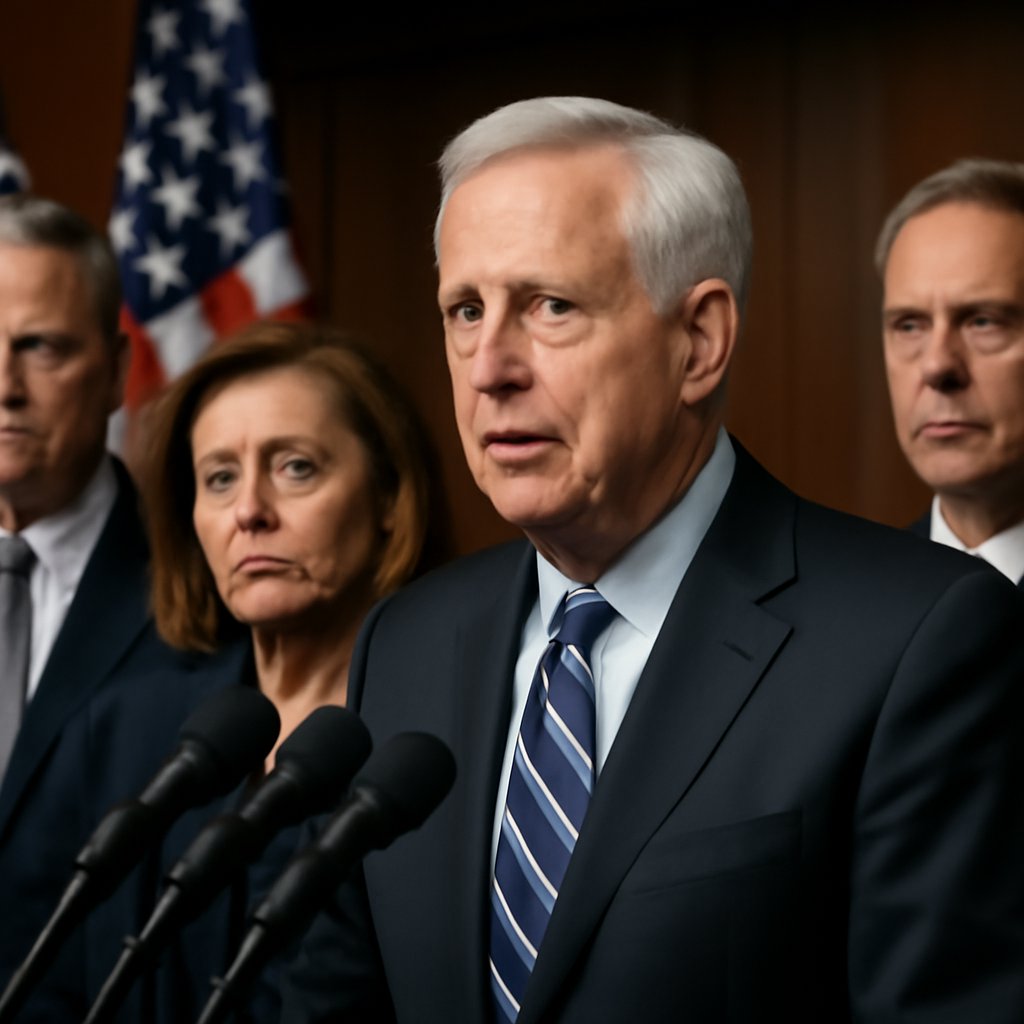
In a Congress where narrow majorities and polarized districts define outcomes, coalition building has become inseparable from the electoral math that determines which lawmakers can risk crossing party lines. When you model this electorally, the incentives shift sharply depending on whether a member represents a safely partisan seat or one of the dwindling competitive districts that still swing between parties. Polling methodology here matters: surveys using likely-voter screens and oversamples in rural and suburban precincts routinely show that issues like broadband access or veteran care draw cross-partisan support even when national partisanship runs high.
The polling data paints a complicated picture of why some alliances endure. Historical election patterns since the 2010 redistricting cycle reveal that members from districts with mixed demographic profiles—say, growing Hispanic populations alongside older white working-class voters—have been more willing to join coalitions on targeted spending bills. This mirrors earlier eras, such as the 1960s when Southern Democrats and Northern Republicans found narrow overlaps on infrastructure and civil rights measures that aligned with their home-state voter bases.
Identifying shared policy interests starts with granular district-level data. Staffers map not just voting records but also exit-poll breakdowns from recent House races to locate common ground on supply-chain resilience or rural healthcare. Committees remain key incubators because joint travel and markup sessions build the personal trust that later translates into floor votes, especially for members whose reelection maps include overlapping economic concerns.
Personal relationships still cut through the noise. One-on-one meetings and informal networks often determine whether a wavering lawmaker from a swing district commits during final negotiations. Whip operations track these dynamics with internal polling that segments constituent sentiment by age, education, and region rather than relying on national toplines. The 117th Congress saw a measurable uptick in such cross-aisle contacts, which tracks with tighter electoral margins in the 2022 midterms.
External pressure amplifies these efforts when coordinated messaging resonates in targeted media markets. Digital tracking of constituent sentiment across battleground districts can tip fence-sitters, particularly when polls show majority support within specific demographic cohorts like independents in suburban counties. In the Senate, the 60-vote cloture threshold forces sponsors to secure minority-party backing, often through concessions calibrated to the electoral calendars of those members.
Successful coalition builders recognize that timing matters enormously. The legislative calendar creates natural windows when members are more receptive to bipartisan overtures. Appropriations cycles, deadline-driven bills, and recess periods each present distinct opportunities. Savvy leadership teams identify which colleagues face tight reelection contests and craft messaging that allows them to claim credit for tangible benefits flowing to their districts—whether infrastructure funding, research grants, or military installations. This approach acknowledges that individual members must answer first to their constituents, and cross-party votes require cover that demonstrates local benefit.
The mechanics of modern coalition building also depend heavily on staff-to-staff relationships. Senior legislative aides who work across party lines, often through bipartisan working groups or task forces, develop the substantive knowledge and personal rapport necessary to broker deals. These staffers frequently communicate directly about bill language, amendments, and procedural strategy before their bosses ever formally meet. The infrastructure team in one office may have worked with the counterpart team in another office for months before a bill gains public attention. This groundwork proves invaluable when negotiations accelerate on the floor or in conference committees.
Digital and social media dynamics introduce new wrinkles to coalition building. Lawmakers must balance floor votes against the optics of appearing too cozy with the opposition. Statements framing a cross-party vote—emphasizing local district benefits, distinguishing it from partisan betrayal, and tying it to constituent priorities—circulate through social media within hours of any announcement. Members increasingly craft these narratives in advance, sometimes with input from communications professionals in the other party who understand the need for political cover on both sides.
The role of outside groups has expanded in coalition efforts. Issue-focused organizations representing farmers, manufacturers, healthcare providers, or environmental constituencies often lobby both parties simultaneously, making the case that certain bills serve their members’ interests regardless of partisan affiliation. When a broad coalition of business groups, labor unions, or agricultural associations publicly backs legislation, it provides political protection for members voting across party lines. The Bipartisan Infrastructure Law benefited significantly from this dynamic, as chambers of commerce, construction unions, and environmental groups all mobilized their members to contact lawmakers.
Regional coalitions present another avenue that sometimes bypasses national party divisions. A coalition of members from the Southwest united on water policy, or the Great Lakes delegation on shipping and environmental standards, can coalesce around regional interests that cut across partisan lines. These regional networks often predate current partisan polarization and draw on decades of established relationships and shared constituent concerns. Senators and representatives from neighboring states frequently coordinate even when their parties diverge on other major issues.
Freshman members and newly elected lawmakers require particular attention in coalition efforts. They often arrive without entrenched partisan positions or long histories of floor votes that define their records. Experienced members can mentor junior lawmakers toward bipartisan approaches while protecting them from primary challenges by framing votes as principled stances rooted in constituent service rather than party betrayal. This mentorship, when genuine, builds loyalty and encourages younger members to continue bipartisan work throughout their careers.
Key data points underscore the pattern:
– Only 12% of major bills introduced in recent Congresses become law without significant bipartisan support.
– The Bipartisan Infrastructure Law attracted 19 Republican votes in the Senate and 13 in the House.
– Members who serve on at least two joint committees are 40% more likely to co-sponsor legislation across party lines.
– Average coalition size for successful appropriations bills has grown from 55 to 68 votes in the House since 2010.
– Personal meetings between members of opposing parties increased by 25% during the 117th Congress compared with the previous term.
– The average bipartisan bill in recent years requires 18-22 months from introduction to passage, compared with 8-10 months for party-line legislation.
– Senate committees with bipartisan leadership structures report 35% higher rates of markup amendments that later survive on the floor.
Lawmakers who treat coalition building as an extension of their electoral strategy—factoring in demographic shifts, historical turnout models, and district-level polling—tend to rack up more legislative wins even when national headwinds are strong. Understanding where your coalition partners face electoral pressure, what messages work in their districts, and which committee assignments or amendment opportunities provide political cover all influence whether a coalition holds together through final passage. The most effective coalition builders combine granular local knowledge with relationship-building discipline and an honest assessment of what each member needs to justify their vote to their constituents.