
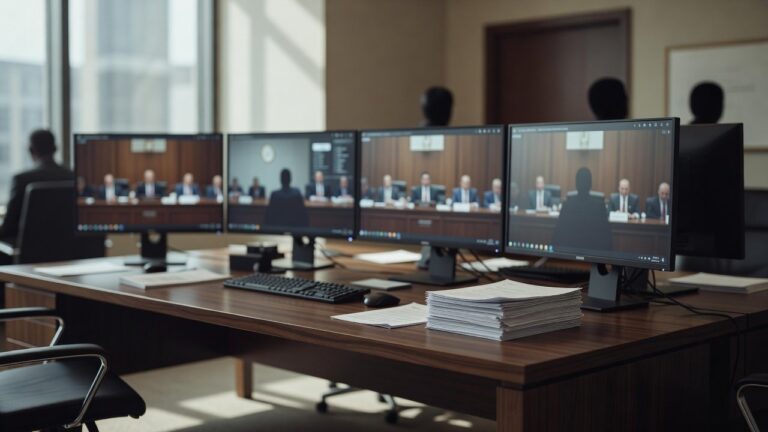
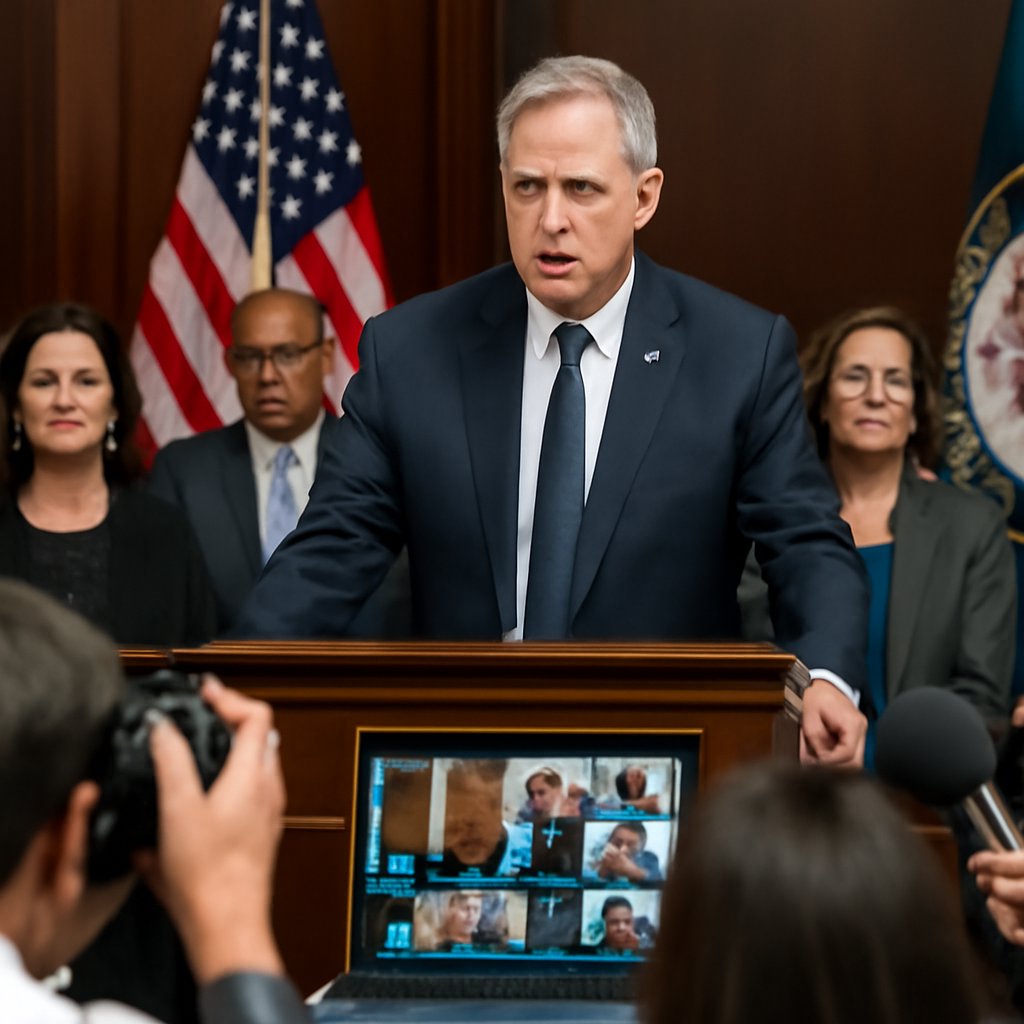
As a Latina journalist who’s covered the revolving doors between K Street and Capitol Hill for years, I can tell you that tuning into congressional hearings isn’t just civic homework—it’s a front-row seat to how campaign contributions and undisclosed lobbying shape the laws that hit our communities hardest. The financial disclosures tell a story the press releases don’t, and online monitoring gives you the tools to connect those dots in real time.
Hearings on appropriations or agency oversight often expose exactly where the money flows, from industry-backed witnesses to the lawmakers whose reelection committees just reported fresh bundling totals from the same sectors. Whether it’s infrastructure packages or financial regulations, these sessions lay bare the partisan pressures and donor priorities that rarely make it into sanitized summaries.
Why This Matters for Accountability
Public access to these proceedings cuts through the spin. You see expert testimonies alongside the quiet influence of groups that spent millions lobbying the very bills under discussion. As someone tracking Federal Election Commission filings and Senate lobbying disclosures daily, I’ve learned that a single hearing can preview which policies will get buried—and which donors will benefit—long before Election Day.
Voters and analysts who follow these sessions gain unfiltered views of how representatives perform when the cameras roll, moments that often define campaign narratives in the cycles ahead. Beyond the theater of high-profile confirmation hearings or scandal investigations, the routine work of committees like Energy and Commerce or Education and Labor reveals how everyday policy gets shaped. These less-publicized sessions often matter more to ordinary Americans’ lives than the televised fireworks, yet they receive minimal media coverage. When you monitor them directly, you’re accessing primary source material that cable news will filter or ignore entirely.
Where to Watch: Official Channels First
Start with Congress.gov for searchable archives that include full transcripts, witness lists, and video from both chambers. C-SPAN remains the gold standard for live streams, covering everything from the House Judiciary Committee to the Senate Foreign Relations Committee without editorial filters. Committee sites for Ways and Means or Banking routinely post their own streams and recordings right after sessions end, giving you the raw record before any spin sets in.
Senate and House portals each maintain dedicated feeds. Bookmark the calendars so you can juggle overlapping hearings without missing key exchanges on issues that tie directly to campaign finance reform or lobbying loopholes.
For Senate hearings specifically, Senate.gov’s calendar breaks down by committee and includes links to live video feeds. You can subscribe to individual committee calendars via iCalendar format, which syncs directly to most calendar applications. House committees operate similarly through House.gov, though navigating the 20-plus standing committees takes some practice. Pro tip: focus first on committees aligned with your interests—if you track healthcare policy, start with Energy and Commerce or Ways and Means; for tech regulation, Judiciary and Energy and Commerce overlap significantly.
The House Clerk’s office and Senate Secretary both maintain official schedules updated daily, and many committees now post video within hours of sessions concluding. Some committees, particularly in the Senate, also stream directly through their own committee websites, bypassing the main chamber portals entirely.
Tools That Help You Dig Deeper
GovTrack.us and similar trackers deliver alerts tied to specific committees or keywords that matter for money-in-politics stories. Layer in X and YouTube clips for real-time context, then cross-check against lobbying disclosure databases to see which interests sent the witnesses. Push-notification apps and RSS feeds from official schedules keep you ahead of the game when multiple markups hit the same day.
Beyond GovTrack, OpenSecrets.org allows you to search by legislator, industry, or donor, letting you identify which financial interests align with hearing participants before you tune in. FEC.gov’s candidate and committee search function reveals who’s funding which lawmakers, crucial context when evaluating their questioning during hearings. Capitol Words archives complete searchable text from the Congressional Record, so you can track what individual representatives have said publicly about topics before they testify or question witnesses.
Legiscan and BillTrack50 offer mobile-friendly bill tracking with notification systems, helping you follow specific legislation through committee stages. Many advocacy organizations curate recommended hearings on their own platforms—groups focused on environmental policy, labor issues, consumer protection, and other sectors often flag hearings relevant to their work, sometimes with annotated witness lists explaining financial ties or expertise.
Best practice: review the weekly calendars on Congress.gov every Sunday, keep a second screen for quick FEC or OpenSecrets lookups on testifying parties, and log standout quotes with their financial context. Community networks of Hill watchers add the off-the-record texture you won’t find in the official transcripts. Social media communities on Reddit (r/neutralpolitics maintains a solid resource hub) and dedicated policy forums often provide real-time analysis and witness background information as hearings unfold.
Understanding the Hearing Landscape
Not all congressional hearings are created equal. Legislative hearings examine pending bills and typically feature expert witnesses, agency officials, and occasionally affected citizens. Oversight hearings scrutinize executive branch performance, often producing the most contentious questioning. Confirmation hearings for cabinet nominees, judges, and top agency positions draw massive attention but represent only a fraction of annual hearing activity. Nomination hearings are often the most theatrical and media-saturated, yet the routine oversight work on appropriations, healthcare implementation, or regulatory enforcement frequently contains more substantive policy discussion.
Markup sessions, technically different from hearings, involve committee members drafting and amending bills line-by-line. These are equally important for tracking because amendments often reveal true priorities—language slipped in during markup rarely gets media attention but can reshape how laws function in practice. Many committees stream or archive markups alongside hearings, though they’re sometimes harder to locate on official websites.
Committee chairs hold significant power over hearing agendas, which makes the party composition of each chamber crucial context. When a party controls a committee, the majority chair determines which topics get examined, which witnesses testify, and in what order. Minority members get limited time for questioning and rarely control the witness list, though they often request minority witnesses to provide counterbalance. Recognizing these dynamics helps you interpret whose perspective gets amplified and whose gets sidelined.
The Numbers Behind the Access
– Over 1,200 congressional hearings are held annually across House and Senate committees, covering topics from appropriations to oversight investigations.
– C-SPAN streams more than 95% of all public congressional hearings live, reaching millions of viewers each year.
– Online viewership of major hearings, such as those involving Supreme Court nominees or presidential impeachments, has exceeded 20 million simultaneous streams in recent election cycles.
– Committee archives on Congress.gov contain more than 500,000 documents and videos dating back to the 1990s.
– Approximately 70% of Americans who follow policy debates cite online congressional hearing access as their primary information source during legislative sessions.
– The average congressional hearing attracts between 50 and 500 live viewers on C-SPAN, excluding major televised events; most Americans still rely on news summaries rather than direct viewing.
– Witness testimony time is heavily constrained—opening statements typically run five minutes, with committee members splitting the remaining question time, meaning thorough examination of complex topics often gets compressed.
Consistent monitoring builds the kind of institutional memory that holds power accountable. It turns passive viewers into informed citizens who can trace exactly how donor dollars and lobbying muscle steer the legislative branch—long before the next round of campaign finance reports drops. The investment pays dividends not just for journalists and policy advocates, but for any voter seeking to understand the actual mechanics of how Congress operates beyond election-year soundbites.
Sources
- U.S. House of Representatives – Official House website with committee schedules and hearing information
- U.S. Senate – Official Senate website with live streams and hearing schedules
- Congress.gov – Legislative information system with committee hearings and schedules
- C-SPAN – Live coverage and archives of congressional hearings and floor proceedings