

“`html
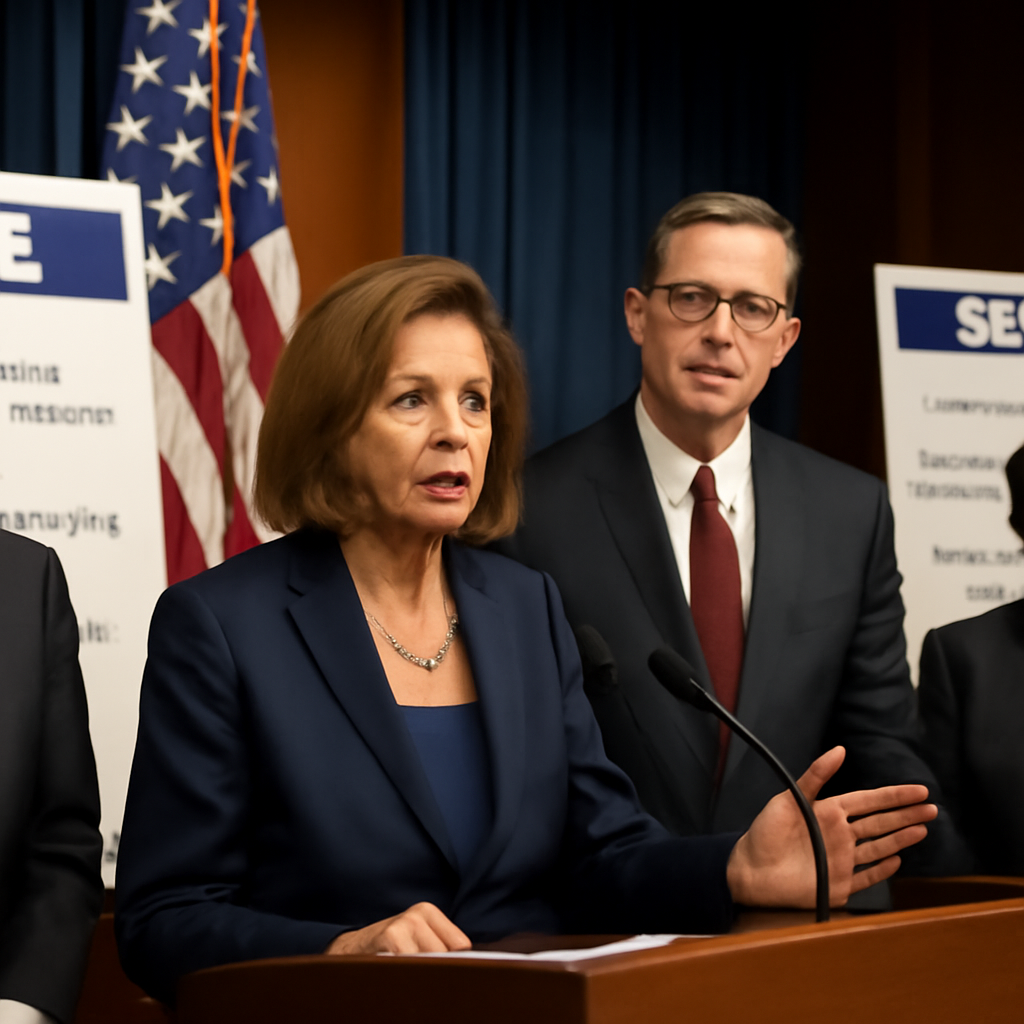
The procedural rules separating the House from the Senate create two very different arenas for lawmaking, and those distinctions ripple outward into every election cycle. The House’s 435 members operate under tight majority control, while the Senate’s 100 members give individual senators far more leverage; when you model this electorally, the result is a map where House majorities can flip on narrow swings in a few dozen districts, yet Senate control often hinges on broader statewide coalitions that reward compromise.
House leadership, centered on the Speaker and the Rules Committee, can compress debate and limit amendments, allowing the majority party to move legislation quickly through a calendar that processes more than 10,000 bills each Congress. That speed favors the party that wins the most swing districts in any given cycle. Senate procedures, by contrast, rely on unanimous consent and the 60-vote cloture threshold for most measures. Cloture motions have climbed above 150 per Congress since 2010, a sharp rise from earlier decades that reflects both parties’ willingness to test procedural limits in closely divided chambers.
The Rules Committee stands as one of the House’s most powerful institutions, effectively serving as the traffic controller for all major legislation. The majority party controls the committee with a 2-to-1 advantage, allowing it to dictate which bills reach the floor, how much time is allocated for debate, and how many amendments—if any—can be offered. This gatekeeping function means that controversial bills can be blocked before they ever reach a floor vote, and majority-party leadership can protect vulnerable members by preventing difficult votes altogether. In the Senate, by contrast, nearly any senator can force a bill to the floor through a motion to bring up legislation, though they must navigate the filibuster threat. This decentralization of power reflects the Senate’s original design as a body where smaller states and individual voices could not be easily bulldozed by a majority.
Debate time illustrates the chamber differences starkly. House floor speeches are typically limited to one minute per member, compressed into specific periods controlled by the Rules Committee. Senators enjoy unlimited debate time—the famous filibuster—unless 60 senators vote to invoke cloture and end discussion. A senator can theoretically speak on any topic for hours, a practice made famous by legendary figures like Strom Thurmond, who filibustered for 24 hours and 18 minutes in 1957. While extended filibusters are rarer in the modern era due to the gridlock costs, the mere threat of one shapes negotiations constantly. Bills that might sail through the House must be crafted with the 60-vote threshold firmly in mind in the Senate, requiring either bipartisan support or reconciliation procedures.
Demographic and geographic realities amplify these differences. Senators represent entire states regardless of population, so the upper chamber tends to reward candidates who build cross-regional coalitions; House members, drawn from compact districts, face tighter primary pressures and can often prevail with narrower turnout models. Historical patterns show this clearly: periods of unified government have produced rapid House action on appropriations, while the Senate has required extended negotiations or reconciliation procedures that cap debate at twenty hours and bar the filibuster on budget matters.
The committee system operates differently in each chamber as well. House committees are more specialized and pigeonholed, with jurisdiction carefully delineated to prevent overlap. A bill assigned to the Ways and Means Committee for tax provisions will not be handled by the Energy and Commerce Committee, even if it touches energy issues tangentially. Senate committees maintain broader jurisdiction and frequently handle overlapping subject matter. This Senate structure encourages bills to evolve as they move through multiple committees, often accumulating bipartisan support through repeated rounds of negotiation. House bills, by contrast, often emerge from committee fully formed and move to the floor with less opportunity for revision or amendment.
Amendment strategy further shapes electoral incentives. In the House, structured rules frequently cap amendments at fewer than ten per bill, concentrating power with committee chairs and the majority. The Rules Committee typically allows only amendments that have been pre-approved or that deal with specific sections of legislation. Senate amendments remain more open, with senators able to offer germane amendments and, in many cases, non-germane amendments as well. This openness can lengthen floor consideration and sometimes extend major legislation across weeks or even months. Interest groups and administrations therefore calibrate their lobbying differently: House-focused efforts target Rules Committee timing, while Senate efforts must account for potential holds and the need for sixty votes.
Holds represent another distinctly Senate procedure with no House equivalent. Any senator can place a hold on legislation, temporarily preventing it from reaching the floor. While holds are not indefinite, they signal a senator’s intent to filibuster and often trigger negotiations. A single senator can therefore extract significant concessions, a power that fundamentally shapes how legislation is negotiated. In the House, the majority leadership simply schedules a bill for floor consideration, and unless the minority can marshal 218 votes for a procedural objection, the bill advances on the majority’s timeline.
Reconciliation remains one of the few Senate shortcuts that bypasses the filibuster, a tool used for major tax and healthcare packages in recent cycles. The House processes reconciliation bills under standard rules that still permit more structured input, illustrating how the same fiscal vehicle moves at different speeds depending on the chamber. These mechanics continue to influence which states and districts parties prioritize, because control of each body determines whether legislation can advance or stall before the next election redraws the map.
The conference committee process also reflects chamber differences. When the House and Senate pass different versions of the same bill, a conference committee must reconcile them. House conferees are typically appointed by the Speaker and drawn from the bill’s principal committees, giving leadership substantial control over which version prevails in the final product. Senate conferees, while also drawn from relevant committees, often carry instructions from their full chamber on specific provisions they must protect. The resulting conference reports are then voted on in both chambers under expedited procedures, but a senator can still filibuster the conference report itself if sufficiently opposed. This gives Senate minorities a last-ditch opportunity to extract concessions even after months of negotiation.
Understanding these procedural distinctions is essential for understanding modern legislative gridlock and political strategy. A party that controls the House can move its agenda quickly but still must reckon with Senate rules that require bipartisan consensus on most issues. A party that controls the Senate alone holds substantial veto power but cannot initiate major spending bills without House cooperation. When one party controls the House and the other the Senate, nearly all significant legislation requires genuine compromise or must rely on narrow procedures like reconciliation that are limited to budget matters. These realities shape candidate recruitment, campaign messaging, and electoral strategy year after year.
Sources
“`